The Role of Performing Arts in Mental Health: Therapy Through Performance
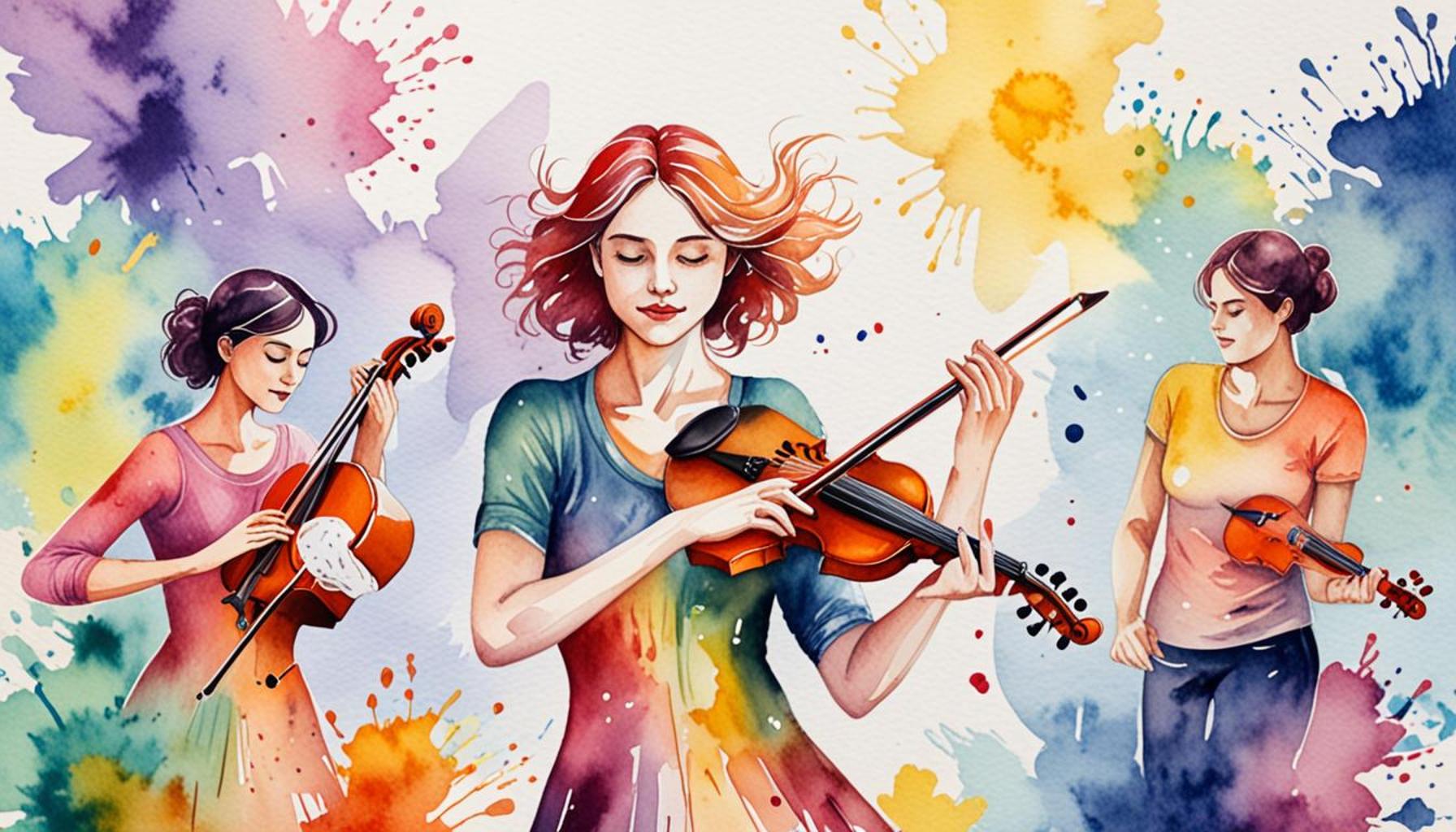
The Power of Performance: A Gateway to Emotional Healing
The arts have long held a unique position in the tapestry of human experience. The performing arts, encompassing theater, dance, and music, have consistently provided a platform for individuals to express themselves authentically. As modern psychology increasingly recognizes the intricate connections between creativity and mental health, the capacity of these artistic forms to act as a therapeutic outlet has become a focal point of interest. Recent studies and anecdotal evidence underscore this powerful intersection, highlighting how engaging in the performing arts can unlock emotions and facilitate healing.
One of the most compelling aspects of the performing arts is their ability to foster emotional expression. Many people find it challenging to articulate their feelings verbally, particularly in moments of distress or vulnerability. Through artistic expression, individuals can explore deep feelings such as sorrow, joy, anger, and fear in a safe environment. For instance, a shy teenager might choose to portray a character who embodies their struggles, thereby giving voice to emotions they might otherwise suppress. This act of embodiment can enhance self-awareness and promote a deeper understanding of one’s emotional landscape.
Furthermore, performance serves as a crucial coping mechanism for many. Engaging in drama or dance can help individuals process trauma, anxiety, and depression in a constructive manner. Numerous mental health professionals advocate for the use of creative therapies, often reporting remarkable outcomes. For example, veterans participating in theater programs designed to address post-traumatic stress disorder (PTSD) often find solace and connection as they share their stories through performance. The act of storytelling can validate their experiences while providing a pathway toward healing.
In addition to personal healing, the performing arts play a vital role in community building. Whether it’s a community theater group or a local dance ensemble, these activities foster a sense of belonging among participants. Get-to-know-you exercises, collaborative performances, and shared struggles create supportive networks, combatting feelings of isolation. In a society where mental health issues are on the rise, these connections are precious. Communities across the United States are increasingly recognizing the importance of such programs, facilitating bonding through creative expression.
Organizations nationwide are embracing this trend by developing arts-based therapy programs that integrate approaches such as drama therapy, music therapy, and dance therapy. Notable establishments, such as The New York Center for Arts Therapy, are at the forefront of implementing these progressive methods. They not only offer traditional therapeutic benefits but also invite a creative approach to healing that resonates with participants on a different emotional frequency.
For those intrigued by the compelling relationship between mental health and the performing arts, this exploration is both enlightening and transformative. The recognition of the performing arts as a valuable tool for enhancing well-being is on the rise, empowering individuals to journey deeper into their own emotional landscapes. Whether through captivating performances or engaging in art therapies, the path towards emotional unlocking is vibrant and filled with possibilities for everyone willing to explore it.
DISCOVER MORE: Click here to learn why performing arts matter for community well-being
Unlocking Emotions: The Therapeutic Potential of Performing Arts
The powerful intersection between performing arts and mental health unfolds in myriad ways, reflecting the intricate relationship between creativity and emotional well-being. Engaging in activities such as acting, music, and dance not only allows individuals to explore their feelings but also serves as a profound mechanism for healing. To fully appreciate this phenomenon, it is essential to delve into how these artistic expressions resonate with our psychological landscape.
One of the most significant benefits of performing arts is their ability to improve self-confidence and self-expression. For many participants, stepping onto a stage, whether for a solo act or as part of a group, can be transformative. The act of performing provides an opportunity to step outside oneself and confront inner thoughts and feelings. This can be especially beneficial for those who struggle with anxiety or self-doubt. When individuals channel their emotions into performance, they often experience a sense of empowerment, allowing them to regain a sense of control over their lives.
Moreover, the performing arts serve as an effective therapeutic intervention for various mental health conditions. Evidence suggests that individuals grappling with conditions like depression or PTSD can experience relief through structured artistic exploration. For instance, programs that incorporate drama therapy enable participants to act out their experiences, creating a narrative that fosters understanding and resolution. The following are key components of how the performing arts can facilitate therapy:
- Emotional Release: By embodying characters or creating music, individuals can express pent-up emotions that might be difficult to articulate otherwise.
- Social Connection: Group performances and ensemble work provide opportunities for collaboration and connection, diminishing feelings of loneliness and isolation.
- Skill Development: Participants develop practical skills such as public speaking, body language awareness, and emotional intelligence, all of which contribute to personal growth.
- Mindfulness and Presence: Engaging in performance encourages participants to be fully present in the moment, a cornerstone of mindfulness that aids emotional regulation.
Moreover, mental health professionals are increasingly adopting creative therapies into their practice, acknowledging the significance of a holistic approach to well-being. Research indicates that patients who engage in performing arts therapies often report higher levels of satisfaction and improvement in symptoms compared to traditional therapies alone. In community settings, programs such as music therapy and dance therapy are gaining traction, leading to enriched recovery pathways for individuals of all ages.
As wellness programs continue to diversify, the performing arts stand out as a beacon of hope and healing. By encouraging individuals to engage with their emotions in such a vivid manner, these artistic endeavors not only provide relief but also infuse life with a sense of purpose and connection. This captivating blend of therapy and performance is creating a new narrative in mental health, one that resonates deeply in the hearts of many across the United States.
The Role of Performing Arts in Mental Health: Therapy Through Performance
The fascinating world of performing arts serves as a potent vehicle for mental health healing. Engaging in activities such as theater, dance, and music therapy provides individuals with not only an emotional outlet but also a transformative experience that promotes well-being. One of the notable aspects of this therapy involves the concept of self-expression, allowing participants to articulate emotions that are often difficult to verbalize. Through movement or speech in a safe environment, individuals can confront their challenges head-on, gaining insights into their mental health.
Furthermore, the community aspect of performing arts cannot be overlooked. Participating in group performances fosters feelings of belonging and reduces isolation. When people share their stories through artistic mediums, they often find common ground with others, reinforcing connections that are crucial to mental wellness. This sense of community contributes significantly to increasing self-esteem and diminishing feelings of anxiety and depression.
Art has been utilized therapeutically throughout history, and recent studies have underscored its efficacy. Research indicates that engaging in creative activities stimulates the brain, leading to enhanced cognitive function and emotional resilience. The act of creating or performing can trigger the release of endorphins, the body’s natural mood elevators, which can alleviate symptoms of mental health disorders. Each artistic experience, whether attending a performance or participating in one, provides participants with tools to navigate their challenges more effectively.
Additionally, incorporating the arts into mental health treatment plans has been shown to yield long-lasting effects, promoting not just immediate relief, but sustainable mental health improvement. As we expand our understanding of the intersection between performing arts and mental health, it becomes increasingly evident that art is not just for entertainment but is a valuable form of therapy that encourages healing and personal growth.
| Category | Advantages |
|---|---|
| Self-Expression | Provides an outlet for emotions, facilitating personal insight and emotional release. |
| Community Connection | Fosters belonging, reduces isolation, and increases self-esteem through shared experiences. |
As we continue to explore innovative approaches to mental health, the role of performing arts stands out as an invaluable tool. Embracing this concept could open new avenues for those seeking relief from their mental health challenges, proving once again that the stage is a powerful ally in the journey toward healing.
DISCOVER MORE: Click here to unleash your creativity
Building Community: The Collective Healing Power of Performance
Beyond individual expression, the performing arts play a crucial role in fostering community and facilitating group healing. Organizations across the United States are leveraging platforms such as theater, music groups, and dance collectives to enhance social connections among individuals experiencing mental health challenges. These initiatives create a supportive environment that cultivates a sense of belonging, which can be equally therapeutic.
Participating in group performances allows individuals to navigate their emotions collectively, thus promoting a shared experience that is both comforting and enlightening. Initiatives like community theater and public art projects encourage diverse populations to come together, thereby dismantling barriers of stigma surrounding mental health. As individuals share their narratives through performance, they contribute to a collective tapestry of understanding, validating the experiences of others and fostering empathy.
Moreover, the act of collaboration in these settings often produces unexpected benefits. Research shows that being part of a performance group can lead to significant improvements in mental health outcomes, including reduced symptoms of anxiety and depression. The bonds formed through shared creative processes can be instrumental in rebuilding trust and enhancing communication skills, which are vital elements of recovery.
Several noteworthy programs across the nation exemplify the impactful integration of performing arts in mental health treatment. The Brighter Day Productions in New York focuses on supporting those with mental health concerns by providing performance opportunities that build self-esteem and promote social interaction. Participants not only acquire performance skills but also experience a deep sense of accomplishment and fulfillment, critical components of mental wellness.
Another commendable instance is the Music & Memory initiative, a program that employs personalized music playlists to evoke memories and emotions in individuals with cognitive disorders, such as Alzheimer’s. While music therapy primarily targets individual benefits, group sessions can foster interactions and connections among participants, reinforcing a communal sense of support.
Navigating the Challenges: Barriers to Access and Opportunities for Change
Despite the promising results of performing arts therapies, there are challenges to accessing these resources. Many individuals facing mental health issues may struggle with transportation, financial constraints, or lack of awareness about available programs. Additionally, there can be a stigma associated with participating in therapy or support groups, which may discourage individuals from seeking help through these creative avenues.
Advocates are calling for increased funding and resource allocation to broaden the reach of performing arts therapies, particularly in underserved communities. Programs like Art for Healing are working to raise awareness and promote inclusivity, ensuring that underserved populations can access the therapeutic benefits of performance. By partnering with local organizations, government bodies, and mental health professionals, these initiatives aim to enhance awareness of mental health issues through the universal language of art.
The ongoing dialogue surrounding mental health and the arts emphasizes the necessity for society to recognize the value of creativity as a core component of holistic healing. Various case studies highlight the profound effects that artistic engagement can have on emotional expression and recovery. As more research expands on the role of performing arts in therapy, we can look forward to an enriched understanding of how these creative practices can continue to transform lives and communities for the better.
DIVE DEEPER: Click here to discover the evolution of abstract painting
Conclusion: Embracing the Healing Potential of the Performing Arts
The role of performing arts in mental health transcends mere entertainment; it serves as a pivotal therapeutic outlet that aids individuals in expressing and processing their emotions. Through various platforms such as theater, dance, and music, participants learn to articulate their experiences, forging pathways towards healing and self-discovery. By embracing vulnerability through performance, individuals not only navigate their own mental health challenges but also foster a deep sense of community that can validate and uplift them.
As evidenced by programs like Brighter Day Productions and Music & Memory, the power of collective creative expression can significantly impact mental health outcomes. Participants witness improved self-esteem, enhanced emotional regulation, and reduced isolation. However, issues such as stigma and lack of access continue to obstruct many from benefiting from these enriching opportunities. Enhancing awareness and expanding funding for performing arts initiatives remain essential to bridging these gaps and promoting inclusivity.
Future discourse around mental health and the arts should be centered on advocating for access to performing arts therapies, particularly in marginalized communities. As we recognize creativity as a vital component of holistic health and wellness, the potential for transforming lives becomes clear. By integrating performing arts into mental health treatment, we not only enrich individual experiences but also cultivate healthier, more connected communities that thrive on shared understanding and empathy. It is time to fully embrace the therapeutic possibilities of the performing arts, allowing their resonance to echo throughout society.
Related posts:

Linda Carter is a writer and creative hobbies expert specializing in crafting, DIY projects, and artistic exploration. With extensive experience helping individuals discover their creative potential and bring their ideas to life, Linda shares her knowledge on our platform. Her goal is to empower readers with practical tips, inspiring ideas, and step-by-step strategies for success in the world of creative hobbies.