The Role of Digital Art in Modernity: How Technology Is Transforming Artistic Expression
The Transformative Power of Digital Art
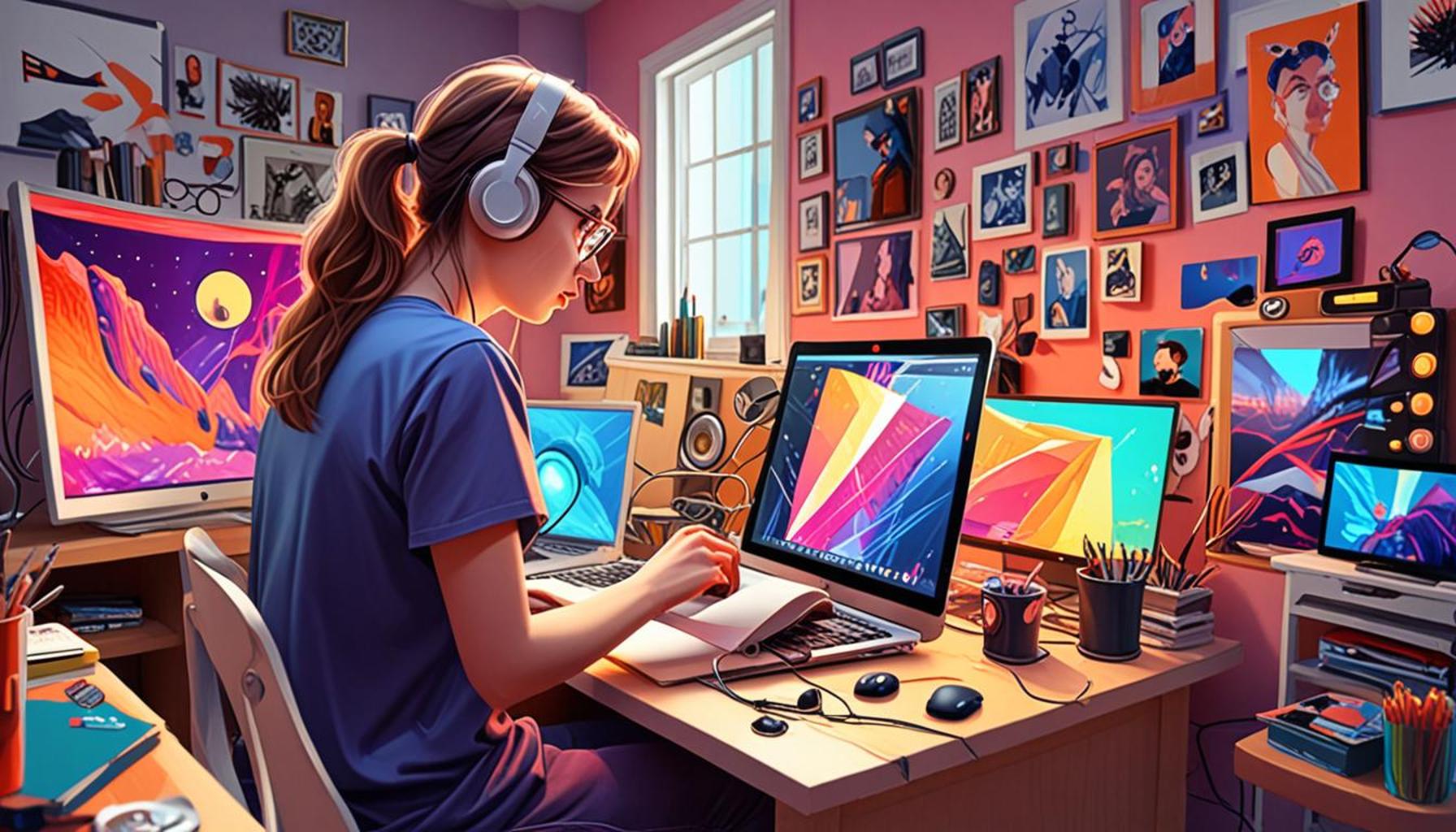
In recent years, the art world has witnessed an unprecedented shift due to the rapid adoption of technology. Digital art, once considered a niche category, has transformed into a major force, fundamentally altering both the methods of artistic creation and the experiences of audiences. This transformative wave is not merely a byproduct of technological progress; it represents a cultural movement that encompasses a broad spectrum of opportunities and challenges.
Accessibility as a Catalyst for Diversity
One of the most remarkable aspects of digital platforms is their ability to democratize art. Artists from various backgrounds can now share their creations with global audiences through social media, online galleries, and digital marketplaces. For example, platforms like Instagram and Behance have enabled previously obscure artists to gain visibility and attract followers far beyond their local communities. This accessibility fosters a rich tapestry of cultural expression, allowing for a diversity of voices that might otherwise remain unheard. Consequently, art becomes a collaborative dialogue that encompasses a multitude of perspectives, enriching the creative landscape.
Engagement through Interactivity
Digital art invites audiences to shift from mere spectators to active participants. Interactive installations utilize immersive technologies, such as augmented reality (AR) and virtual reality (VR), offering viewers unique experiences that engage their senses. Take art exhibitions like the teamLab Borderless in Tokyo as an example. This digital art museum not only showcases stunning visual displays but also encourages visitors to navigate through living artworks, contributing to a constantly evolving experience. Such interactive elements expand the possibilities of connection between the artist and the audience, making the appreciation of art a more personal and impactful journey.
Innovative Techniques and New Mediums
The arsenal of tools available to artists has expanded dramatically, thanks to innovations in technology. Techniques like 3D modeling, animation, and AI-assisted design are pushing the boundaries of what art can be. Consider projects like Refik Anadol’s “Melting Memories,” which uses neural networks to visualize data as mesmerizing digital displays. These advancements not only enhance creative expression but also challenge the traditional definitions of art, forcing both artists and audiences to reconsider what mediums can convey emotion, narrative, and concept.
Challenges of Copyright and Ownership
While the rise of digital art presents numerous opportunities, it also raises complex issues, particularly regarding copyright and ownership. In an environment where art can be easily copied and shared, artists grapple with how to protect their intellectual property. This dilemma is magnified by the popularity of non-fungible tokens (NFTs), which offer a novel way to buy, sell, and trade digital art. However, NFTs also invite scrutiny over their environmental impact and the structures supporting them, leading to varied opinions on their viability within the art ecosystem.
Cultural Narratives and Representation
Lastly, digital art has the potential to amplify marginalized voices in profound ways. Through digital storytelling, artists can illuminate social issues and cultural narratives often overlooked in mainstream discourse. Projects that focus on underrepresented communities provide invaluable platforms for dialogue, empowerment, and understanding. For instance, artists like Kade L. Joseph utilize digital platforms to highlight Native American experiences, bridging historical gaps and facilitating cultural preservation. This capacity for advocacy underscores the evolving role of art as a medium for social change.
As we navigate this landscape, it is evident that digital art is not merely a complement to traditional artistic practices but rather a radical reimagining of what art can represent in the 21st century. The interplay of creativity and technology holds boundless potential, inviting all—artists and viewers alike—to explore new dimensions of artistic expression.
DIVE DEEPER: Click here to discover how regular practice can enhance your creative skills
Redefining the Artist’s Process Through Technology
Digital art is reshaping not only how art is created but also how artists approach their craft. With the integration of digital tools, artists can experiment and innovate at an unprecedented pace. Software such as Adobe Creative Suite, Procreate, and Blender enable artists to manipulate their works with ease, allowing for revisions and modifications that were nearly impossible in traditional media. This flexibility fosters an environment where creativity can thrive without the constraints of physical materials.
Moreover, the rise of digital art has created a unique intersection between art and technology, leading to new forms of artistic expression. Artists can now embrace everything from coding and graphic design to augmented reality experiences. The blending of artistic disciplines not only creates novel visual aesthetics, but also incorporates functionality—think of interactive apps or augmented reality installations that allow viewers to engage with art in dynamic ways. This evolution signifies a departure from conventional methods, pushing the boundaries of what art can be and how it is experienced.
The Impact of Social Media on Artistic Trends
Social media platforms have become pivotal in shaping contemporary art trends. Sites like Instagram and TikTok have turned into vital marketing tools for artists. According to a survey conducted by the ArtMarket Monitor, over 70% of artists reported using social media for marketing their work, allowing them to connect with potential buyers and art lovers worldwide. Trends often emerge quickly on these platforms, leading to viral art movements that redefine what is considered “in vogue” in the art community.
- This rapid sharing and engagement have fostered a culture of immediacy, where the value of art can be quickly gauged by likes, shares, and comments.
- It also allows artists to gauge audience reactions instantaneously, empowering them to adapt their work based on public feedback.
- Collaborations frequently occur across platforms, enabling artists to merge styles and ideas in ways traditionally bound by geographic limitations.
This transformation reshapes the artist’s journey by merging personal expression with market demands, creating a fresh landscape for artistic innovation where visibility and community engagement are paramount.
Educating the Next Generation of Artists
As digital art becomes more prevalent, art education is also undergoing significant changes. Institutions across the globe are adapting their curricula to include digital media as a core component. Schools and universities now offer specialized programs in digital art, blockchain technology, and NFT creation, preparing students for the evolving realities of the art market. This emphasis on digital tools and design software reflects the growing significance of these technologies, expanding the skill sets of emerging artists who are not only creators but also savvy marketers.
Furthermore, online platforms have made these educational resources more accessible. Artists can now take advantage of numerous online tutorials and workshops that focus on digital art techniques. This versatility provides artists with the ability to continually learn and adapt in a rapidly changing art landscape, ensuring that the future generation of artists is well-equipped to navigate both creative and technological challenges.
The Role of Digital Art in Modernity: How Technology Is Transforming Artistic Expression
Digital art has emerged as a powerful force in the evolving landscape of artistic expression. With the advent of cutting-edge technologies, artists have not only expanded their creative horizons but also redefined the methods through which art is created and experienced. This second part delves deeper into the specific ways technology impacts modern artistry, examining innovative techniques and the democratization of art.One significant aspect of digital art is the use of software tools that allow artists to experiment with countless styles and mediums without the physical limitations of traditional art forms. Programs like Adobe Photoshop and Procreate have become staples in the arsenal of contemporary artists, encouraging experimentation and collaboration. As artists merge digital and traditional techniques, they produce unique works that challenge conventional perceptions of art.Another transformation facilitated by technology is the rise of interactive art. Artists are now creating immersive experiences that engage viewers beyond passive observation. Tools such as virtual reality (VR) and augmented reality (AR) allow audiences to explore art in 3D environments, transforming the way art is perceived. This interactive approach not only captivates audiences but also invites them to be part of the narrative, blurring the line between the creator and the viewer.Moreover, the internet and social media platforms have revolutionized how art is shared and consumed. Platforms like Instagram and Behance enable artists to showcase their work to a global audience instantaneously. This accessibility not only fosters a sense of community among artists but also allows for diverse voices to be heard, enriching the global art scene. Art is no longer confined to galleries; it permeates daily life, reflecting the contemporary experience.Digital art also has profound implications in terms of originality and copyright. The ease with which art can be reproduced and disseminated raises important questions about ownership and value in the digital age. With the introduction of blockchain technology, artists are exploring new methods to secure their work, ensuring that they receive due credit and compensation for their creations.The fusion of technology and artistic expression opens up a world of possibilities. As artists continue to innovate, viewers are invited to engage with art in ways previously unimaginable. The evolution of digital art is reshaping the cultural landscape, paving the way for a future where art and technology coalesce seamlessly.
| Advantage | Key Features |
|---|---|
| Accessibility | Digital art democratizes creativity, providing tools to artists from diverse backgrounds. |
| Interactivity | Engages audiences through immersive experiences using VR and AR technologies. |
As the art world continues to embrace these advancements, the interplay between digital mediums and visual expression becomes an ever-more fascinating subject, propelling further discussion about art’s future in our technologically driven society.
DIVE DEEPER: Click here to discover essential sewing techniques
The Democratization of Art Through Technology
One of the most profound effects of digital art has been the democratization of artistic expression. Technology has lowered the barriers to entry for aspiring artists, allowing individuals from diverse backgrounds to create and showcase their work without the need for traditional art institutions. Various free and affordable digital tools enable novices to experiment with their creativity, fostering a new generation of artists who might have otherwise felt excluded from the art world.
Online platforms like DeviantArt, ArtStation, and Tumblr not only serve as galleries for displaying artwork but also nurture communities of creators who exchange feedback, collaborate on projects, and inspire each other. This sense of community transcends geographic boundaries, allowing artists from different regions to share cultural influences, styles, and ideas that can lead to groundbreaking innovations in art. For instance, the global response to art movements like the Afro-Asian aesthetic showcases how interconnectedness through digital platforms can create a rich tapestry of artistic expression.
Interactive and Immersive Art Experiences
Digital technology has ushered in a new era of interactive and immersive art experiences. The rise of virtual reality (VR) and augmented reality (AR) has transformed exhibitions from static displays into dynamic engagements that invite viewer participation. Contemporary artists are now creating installations that require active involvement, such as VR environments where the audience can navigate landscapes or AR apps that bring two-dimensional works to life through mobile devices.
Prominent artists and institutions are pioneering these experiences. For instance, the “With Open Eyes” exhibition at the New Museum in New York utilized AR to allow visitors to interact with digital artworks through their smartphones. Such innovative presentations expand the notions of audience engagement and accessibility, allowing people to experience art in ways that were previously unimagined.
The Role of Non-Fungible Tokens (NFTs) in the Art Market
In recent years, the proliferation of Non-Fungible Tokens (NFTs) has revolutionized the value and ownership of digital art. These unique digital assets have created new avenues for artists to sell their work directly to collectors, often bypassing traditional galleries and auction houses. The NFT marketplace exploded in 2021, with high-profile sales reaching upwards of millions, demonstrating a willingness from collectors to invest in digital art as a legitimate form of ownership.
- This shift has sparked debates about copyright, ownership, and the sustainability of digital art, while also providing emerging artists with financial opportunities that were previously scarce.
- Additionally, NFTs allow artists to receive royalties on secondary sales, ensuring continued financial benefit as their work appreciates over time.
- As the NFT craze continues, it promotes a reexamination of the traditional art market, pushing artists and collectors alike to reconsider what constitutes value in the digital age.
Digital art’s influence on modernity is both profound and multifaceted, illustrating a radical shift in how art is made, shared, and experienced. As the interplay between technology and creativity continues to evolve, the implications for artists and audiences are bound to reshape the very fabric of artistic expression in the years to come.
EXPLORE MORE: Click here to unlock your musical creativity
Conclusion
In conclusion, digital art has fundamentally redefined the landscape of artistic expression in our modern age. By democratizing art through accessible technology and online platforms, it has empowered a diverse array of creators to share their unique voices and perspectives, fostering a vibrant, interconnected global community. The transition from traditional art forms to interactive and immersive experiences has enriched audience engagement, challenging viewers to actively participate rather than passively observe. This blend of art and technology enhances emotional connections, bridging the gap between artist and audience in ways previously unimaginable.
Moreover, the advent of Non-Fungible Tokens (NFTs) has stirred a dynamic debate about the value and ownership of digital works, opening new economic pathways for artists while prompting critical discussions about sustainability and copyright. As we navigate the future of art, it’s essential to recognize that these technological advancements come with both opportunities and challenges.
Looking ahead, the ongoing evolution of digital art will undoubtedly continue to expand our understanding of what art can be. As these technologies develop, they will likely influence not only the practices of artists but also the cultural landscape at large, redefining the relationship between society and the creative world. In this exciting new era, it’s imperative for artists, collectors, and audiences alike to embrace these changes, remaining open to the myriad possibilities that technology presents for the future of artistic expression.
Related posts:
The Importance of Art in Education: How Creative Expression Enriches Young People's Learning
The Evolution of Abstract Painting Art Reflecting Social Change
The Influence of Music on Artistic Expression: How Melodies and Lyrics Inspire Other Forms of Art
Art as a Tool for Cultural Connection: Celebrating Diversity Through Creative Expression
Music as Artistic Expression Boosting Mental Health and Well-Being
The Importance of Artistic Expression in Mental Health: How Creating Art Can Aid in Self-Healing
Linda Carter is a writer and creative hobbies expert specializing in crafting, DIY projects, and artistic exploration. With extensive experience helping individuals discover their creative potential and bring their ideas to life, Linda shares her knowledge on our platform. Her goal is to empower readers with practical tips, inspiring ideas, and step-by-step strategies for success in the world of creative hobbies.