The Influence of Social Media on Music Creation: Connecting Artists and Audiences
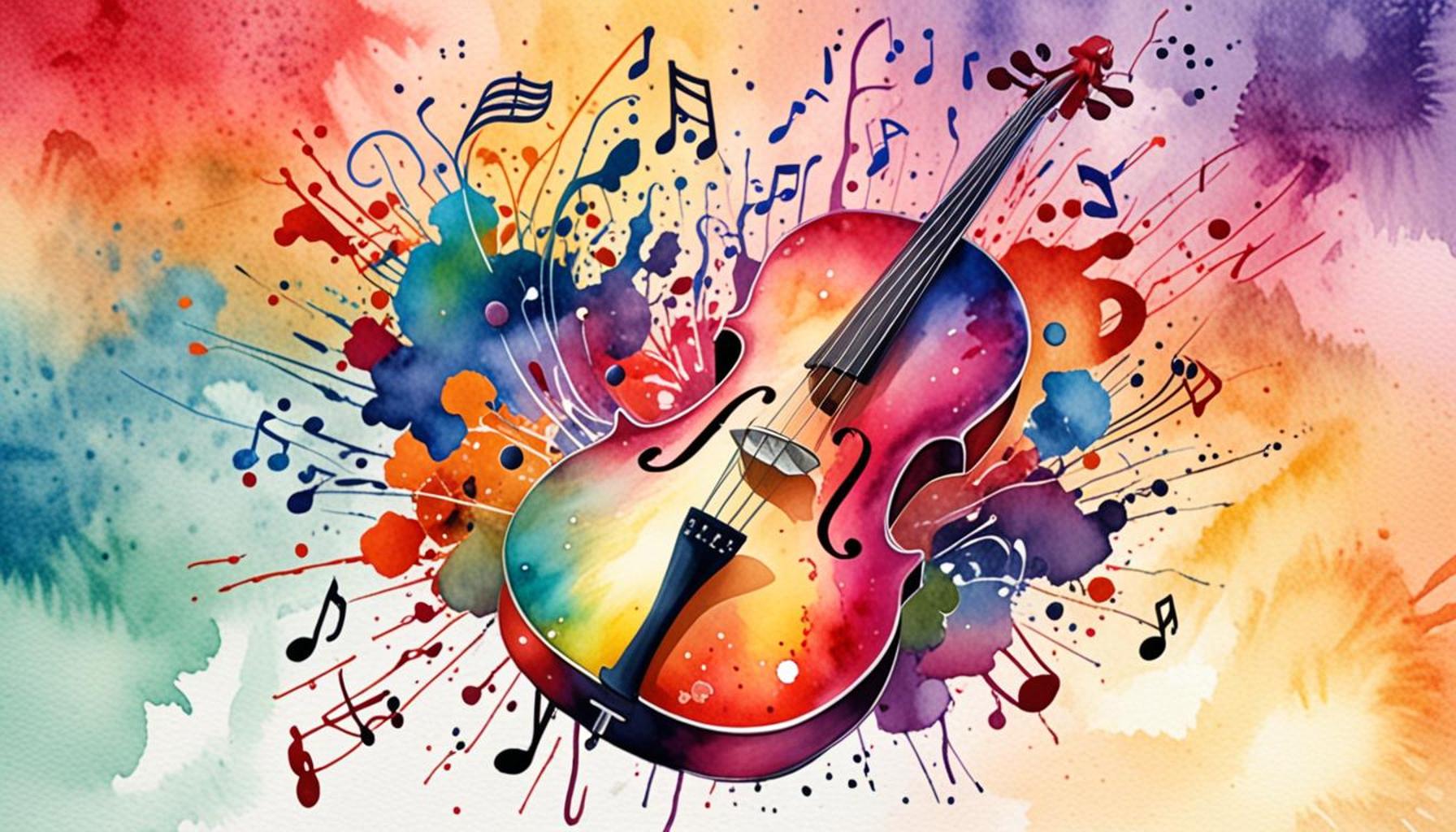
In the rapidly evolving realm of music, social media has fundamentally altered how artists create, share, and consume their art. The burgeoning influence of platforms such as Instagram, TikTok, and YouTube has eliminated the barriers traditionally associated with the music industry, allowing musicians to connect directly with their audiences. This democratization of music not only opens new avenues for creativity but also fosters a culture of collaboration and innovation among artists.
Key Influences of Social Media
The profound impact of social media on music can be observed through several key influences that reshape the industry landscape:
- Direct Audience Engagement: Social media allows artists to receive real-time feedback from their followers. Platforms like TikTok enable musicians to share snippets of their music, gaining immediate reactions and insights. This feedback loop can influence an artist’s creative direction, as they can gauge which songs resonate most with their audience before releasing full albums.
- Viral Trends: The power of viral trends is exemplified by how certain songs explode in popularity due to challenges or dance routines shared on social media. For example, Lil Nas X’s “Old Town Road” gained immense traction after a viral TikTok dance, leading to its record-breaking chart performance. This phenomenon highlights how a simple video can catapult a song from obscurity to a global hit.
- Collaborative Opportunities: Musicians are now able to seamlessly connect with fellow artists, producers, and influencers via social media. Collaboration has become more accessible; musicians can team up via online platforms regardless of geographical barriers. For instance, a rapper in Atlanta might collaborate with a singer in Los Angeles through virtual sessions, combining their unique styles to create something entirely new.
- DIY Culture: The rise of social media has given a voice to independent artists who previously relied on major labels for promotion. These artists can utilize platforms to showcase their work, create brand awareness, and sell their music directly to consumers. Artists like Chance the Rapper have demonstrated the power of this DIY culture, building successful careers without traditional label backing.
The Changing Relationship
This technological evolution has dramatically changed the relationship between artists and fans. Listeners are no longer passive consumers; they actively participate in the music creation process. This new paradigm allows fans to influence artists directly, turning them into co-creators. For example, artists increasingly seek fan input on social media when making decisions about song releases or concert setlists, fostering a deeper sense of community and loyalty.
As the landscape continues to evolve, artists who leverage these social media tools effectively will likely find success in connecting with a broader audience while also redefining the traditional music creation process. This shift represents not just a change in technology but a new era of interaction that promises to shape the future of music for generations to come.
DISCOVER MORE: Click here to learn about the latest in performing arts technology
The Transformation of Musical Creatives Through Social Media
In an age dominated by digital connectivity, social media serves as a dynamic catalyst for a new wave of music creation, offering artists a platform to express their creativity in ways that were previously unimaginable. The shift from traditional means of music distribution to vibrant online platforms has encouraged artists to experiment with their styles and collaborate with diverse influences around the globe. In this landscape, social media is not just a marketing tool; it is an essential component of the creative process.
The accessibility of music production technology has significantly broadened the horizons for emerging musicians. With user-friendly software and tools available online, artists can craft high-quality tracks from the comfort of their homes. This DIY approach has become synonymous with the independent music scene, enabling musicians to push the boundaries of their artistry without the need for heavy financial backing from record labels. Consequently, genres that once thrived only in niche circles are now gaining recognition and evolving into mainstream phenomena.
Engagement Strategies That Spark Innovation
The unique interaction between artists and fans on social media platforms breeds a culture of innovation and creativity. Key strategies that enhance this engagement include:
- Behind-the-Scenes Content: Artists share their creative process through live streams, rehearsal footage, and casual jam sessions. This transparency invites fans into their world, making them feel like part of the journey and fostering emotional connections that extend beyond the music.
- Interactive Challenges: Many artists leverage challenges or contests on platforms like TikTok, encouraging fans to create their renditions or dance interpretations of their songs. This not only promotes engagement but gives rise to a wealth of user-generated content, amplifying reach and visibility.
- Collaborative Playlists: Artists frequently curate playlists featuring their music alongside other tracks they adore or associate with. By inviting fans to contribute to these playlists, musicians can build community and showcase their musical influences, making the listening experience interactive.
- Exclusive Previews: Social media enables artists to provide fans with exclusive sneak peeks of upcoming releases. Such teasers can generate buzz and excitement, ensuring a strong reception when the full tracks are officially launched.
The real-time nature of social media means that engagement with fans can lead to swift adjustments in an artist’s creative approach. For instance, if a particular song lyric resonates profoundly with listeners, an artist might choose to develop that idea further or even integrate it into future collaborations. This heightened responsiveness ultimately results in a more personal connection, with fans feeling valued and appreciated by the artists they admire.
As these dynamics continue to evolve, artists that harness the power of social media stand poised to redefine musical landscapes. The fusion of creativity, collaboration, and community interaction heralds an exciting transformational journey in how music is created and enjoyed by audiences worldwide. This synergy reflects broader trends in human interaction, suggesting that the future of music will inevitably be shaped by the ever-changing contours of social media.
| Advantage | Description |
|---|---|
| Increased Collaboration | Artists can easily connect with other creators across the globe, leading to unique collaborations and cross-genre innovations. |
| Direct Feedback | Social media platforms allow artists to receive immediate feedback from their audience, enabling real-time adjustments to their music and style. |
The dynamic relationship between artists and social media fosters creativity and innovation in music. Artists can share snippets of their work on platforms like Instagram and TikTok, tapping into a larger audience while simultaneously gathering insights on what resonates most with listeners. This not only influences the creative process but also promotes a more engaging and interactive approach to music creation.Moreover, the global reach of social media encourages artists from various backgrounds and cultures to collaborate. Different perspectives merge to create entirely new sounds and rhythms, enriching the music landscape. As artists utilize these platforms, listeners become part of the creative narrative, enhancing their connection to the music and the creators behind it. It’s a vibrant cycle of creation, interaction, and community that fundamentally alters how music is produced and consumed. Social media has truly become a pivotal tool for musicians, redefining the traditional pathways of the music industry and enhancing the ways artists connect with their audiences. Through these platforms, they gain exposure, build a fanbase, and cultivate their unique identities in an ever-evolving digital world.
DISCOVER MORE: Click here to dive deeper into the impact of technology on music creation
Cultivating Community Through Online Platforms
Social media has transformed the way musicians nurture their fanbase, evolving from a one-way street of promotion to a vibrant ecosystem of interaction where community plays a pivotal role. Artists can now communicate directly with their listeners, creating a sense of belonging that transcends traditional concert experiences. This shift is particularly noticeable among younger demographics, who are increasingly drawn to artists that foster authentic relationships and community engagement.
Platforms such as Instagram and TikTok allow for the creation of fan communities that serve as vital advocacy groups for musicians. Fans often unite around their shared love for an artist, generating buzz through hashtags, challenges, and comments that amplify the artist’s reach. According to a survey by Spotify, over 60% of users reported discovering new music through social media interactions, indicating a clear correlation between these platforms and the discovery of emerging talent.
The Role of Streaming Services and Social Media Integration
The symbiotic relationship between streaming services and social media has further enhanced this connection. With integrated sharing features, artists can promote their latest tracks on platforms like Spotify and Apple Music directly through Instagram Stories or TikTok clips, making it easier for fans to access their music. This seamless connection not only fosters greater accessibility but also encourages virality, allowing songs to spread through user-generated content with remarkable speed.
For instance, songs that go viral on TikTok often become chart-toppers within days. The phenomenon of the viral hit has become more prevalent, with tracks like “Old Town Road” by Lil Nas X demonstrating how social media can transform an underground song into a mainstream success. The artist utilized TikTok to engage users in creating remixes and challenges that kept the song at the forefront of social media discourse, illustrating how an artist’s success can be intertwined with their online strategies.
Innovative Monetization Strategies
Moreover, social media offers novel monetization avenues for artists, enabling them to generate revenue directly from their fanbase. Platforms such as Patreon and Bandcamp allow musicians to offer exclusive content, merchandise, and personalized experiences for dedicated fans, effectively turning listeners into supporters. This model shifts financial power back into the hands of artists, eliminating some of the barriers imposed by traditional record label agreements.
- Direct Fan Engagement: Subscription services allow fans to provide financial support in exchange for exclusive content, from early access to music releases to intimate live streams.
- Sponsorship Opportunities: As artists grow their online presence, they attract endorsements and partnerships with brands that are keen to reach the artist’s audience.
- Crowdfunding for Projects: Many musicians are turning to platforms like Kickstarter for funding their albums or tours, directly involving fans in the creation process.
These innovative models exemplify how artists can capitalize on their social media presence to support their careers sustainably. As the music industry continues to adapt and expand within the digital realm, the potential for artists to connect with audiences while maintaining creative control becomes increasingly viable. The ongoing evolution of social media is instrumental in redefining the traditional paradigms of music creation and distribution, positioning artists uniquely within a landscape rich with possibilities.
DISCOVER MORE: Click here to dive deeper
Conclusion: Navigating the New Music Landscape
As the music industry continues to evolve in the digital age, the influence of social media on music creation is both profound and transformative. Artists are no longer confined to traditional forms of promotion; instead, they have the unique opportunity to engage with their audiences in real-time, cultivating a community that thrives on authenticity and interaction. This paradigm shift allows musicians to directly tap into the interests of their fans, responding to their needs and preferences while simultaneously enhancing their creative process.
Furthermore, the integration of streaming services with social media platforms has created a seamless conduit for discovering and sharing music. The viral nature of hits potentiated by user-generated content signifies a departure from the traditional music marketing playbook. Artists who harness these dynamics effectively are not only achieving commercial success but are also fostering a loyal fanbase that supports their journey.
Innovative monetization strategies facilitated by social media further empower artists by providing sustainable pathways to revenue. By embracing platforms that allow for direct fan engagement, musicians are able to redefine their relationship with their supporters, turning them into active contributors rather than passive listeners.
In conclusion, social media serves as a vital tool in bridging the gap between artists and audiences, creating spaces for connection and collaboration. As new technologies and trends emerge, the ongoing engagement between artists and their fans will continue to shape the future of music creation. Exploring this dynamic landscape offers fertile ground for discovering emerging talents and reshaping the industry’s paradigms, paving the way for a music ecosystem rich in creativity, innovation, and mutual support.
Related posts:
The Power of Improvisation in Musical Composition: Creative Freedom and Personal Expression
The importance of mindfulness practice in musical creation: how mindfulness can enhance the creative...
Exploring Technologys Impact on Music Creation Modern Tools Trends
The Evolution of Musical Creation: How Technology Is Transforming the Creative Process
The influence of personal experiences on musical composition: transforming experiences into art
Music as Therapy: Exploring the Emotional Benefits of Musical Creation in Hobbies
Linda Carter is a writer and creative hobbies expert specializing in crafting, DIY projects, and artistic exploration. With extensive experience helping individuals discover their creative potential and bring their ideas to life, Linda shares her knowledge on our platform. Her goal is to empower readers with practical tips, inspiring ideas, and step-by-step strategies for success in the world of creative hobbies.