The Influence of Art on Personal Identity: How Creative Expression Reflects Our Stories
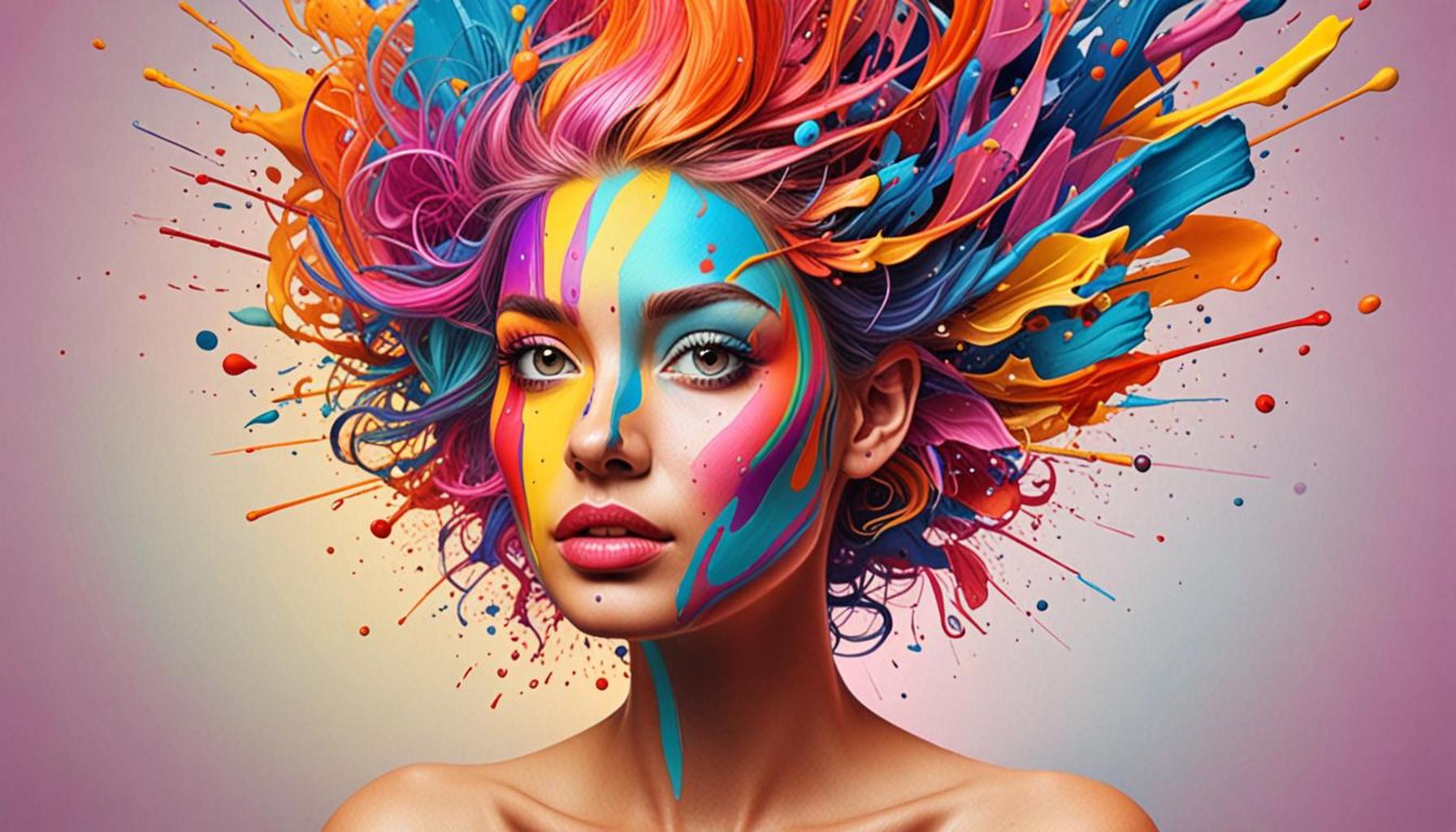
The Role of Art in Shaping Identity
Art possesses a transformative power that can illuminate our understanding of self and society. Through its myriad forms, creative expression acts as a vibrant tapestry of human experience, weaving together personal narratives and the collective tales of communities. The influence of art on personal identity is both deep and diverse, illustrating the complexities of who we are and how we connect with the world around us.
Exploring Artistic Mediums
Each artistic medium provides a distinct avenue for expression and communication, uniquely contributing to the construction of identity.
- Visual Arts: From the emotional strokes of a painting to the intricate details of a sculpture, visual arts serve as a medium where emotions, thoughts, and cultural histories converge. For example, the works of artists like Kehinde Wiley and Frida Kahlo challenge traditional representations of cultural identity and gender, urging viewers to reflect on their shared and varying experiences.
- Music: The realm of music offers a powerful narrative through lyrics and melodies that resonate on a personal level. Genres like hip-hop and folk music have been particularly impactful, providing a voice for marginalized groups and allowing artists to explore themes of struggle, resilience, and identity. Songs like “Alright” by Kendrick Lamar reflect not only personal experiences but also the collective struggles of the African American community.
- Theater: Live performances in theater alive characters that embody diverse perspectives, showcasing the complexities of human experience. Productions like “Hamilton” integrate historical narratives with contemporary cultural dialogue, highlighting the ongoing significance of race and identity in America.
Art as a Lens on Society
In the United States, art offers an intriguing lens for evaluating both personal and societal narratives. From the bold strokes of street art in urban neighborhoods to the rich traditions of indigenous crafts, creative expression becomes a dynamic component of identity formation. Street artists like Banksy have addressed issues such as poverty and war through provocative graffiti, urging society to confront uncomfortable truths.
This exploration of identity through art does more than document history; it challenges us to engage with the shared cultural dialogues that shape our lives. Ultimately, the intersection of art and identity serves as a reminder of our interconnectedness and shared humanity. Through continued investigation, we can uncover not only how art reflects our stories but also how it inspires us to envision transformation and change within ourselves and society at large.
In conclusion, as we delve deeper into the impact of art on identity, we discover the profound ability of artistic expression to foster understanding, empathy, and reflection. By appreciating the diverse ways in which art influences identity, we open ourselves to a richer understanding of cultural heritage and personal evolution.
DISCOVER MORE: Click here to dive deeper
Artistic Mediums as Pathways to Self-Discovery
Throughout history, various artistic mediums have emerged as profound tools for individuals to articulate their identities. They allow us to explore our lived experiences, societal roles, and cultural backgrounds with depth and nuance. Each medium offers unique methods of expression, letting artists delve into their personal narratives and, by extension, the broader narratives of their communities.
Visual Arts: A Canvas for Identity
Visual arts play a crucial role in the exploration of personal identity. Through painting, drawing, and sculpture, artists convey their inner thoughts and emotional landscapes. The vivid colors and dynamic forms become a reflection of their struggles, triumphs, and cultural heritage. Renowned artists like Jean-Michel Basquiat and Georgia O’Keeffe created works that not only represented their unique perspectives but also engaged with themes of race, gender, and identity. Their pieces resonate with audiences, inviting them to reflect on their personal stories and the identities they embrace.
Musical Narratives: The Soundtrack of Experience
Music serves as a powerful medium for narrating identity through sound and lyrics. Genres such as jazz, country, and reggae are steeped in cultural history, offering insights into the identities of communities that birthed them. Artists leverage melody and rhythm to express their struggles and triumphs, creating an intimate bond with listeners. For instance, the lyrics captured in songs like “Born This Way” by Lady Gaga empower individuals to embrace their identities, celebrating diversity and advocating for self-acceptance.
Theater: Living Stories on Stage
The theatrical arts immerse audiences in the complex tapestry of human experiences, offering a platform for characters whose identities mirror society’s multifaceted reality. Productions such as “The Colors of Freedom” and “A Raisin in the Sun” showcase how theater can illuminate issues of race, class, and personal aspirations. Through performance, actors share their characters’ journeys, provoking discussion and reflection on collective identity. This intimacy draws audiences into a shared experience, encouraging them to examine their identities in light of broader societal narratives.
As we investigate the critical intersection of art and personal identity, it becomes clear that creative expression provides an invaluable framework for understanding ourselves and each other. Whether through the brushstroke of a painter or the poignant verses of a song, the influence of art on personal identity fosters empathy and understanding that transcends individual experiences.
In essence, artistic exploration not only reveals personal truths but also invites a collective journey towards recognition and acceptance—a reminder that our stories, while unique, are deeply interconnected. As we immerse ourselves in these artistic expressions, we unlock the potential to better understand the complexities that shape our identities.
The Transformative Power of Creative Expression
The relationship between art and personal identity is profound and often transformative. When individuals engage in creative practices, they not only express their emotions but also explore deeper aspects of their identities. Through mediums such as painting, music, writing, and dance, art becomes a tool for self-discovery and reflection. Each artistic endeavor serves as a mirror, revealing inner conflicts, desires, and aspirations that might not be fully articulated through conventional means.
Art as a Narrative of Self
Art tells stories – not just of the artist’s experiences but also of the collective human experience. For example, an artist might create a piece that reflects their cultural background, struggles with identity, or triumphs in adversity. This form of creative expression allows both the artist and the audience to engage in meaningful dialogues about identity and shared narratives. When individuals view or interact with art, they often find reflections of their life stories, enhancing their understanding of both themselves and others.
The Role of Community and Culture
Furthermore, community and cultural contexts significantly influence the way art shapes identity. Local traditions, histories, and collective experiences infuse artistic expression with rich meanings. For instance, street art can represent a community’s resistance, hopes, and dreams, acting as a visual storyteller within urban landscapes. By witnessing or participating in these cultural expressions, individuals can forge a sense of belonging, further solidifying their personal identity within a group.
| Advantage | Description |
|---|---|
| Self-Discovery | Art facilitates a deep exploration of personal emotions and thoughts, resulting in better self-awareness. |
| Cultural Expression | Art reflects and preserves cultural stories, enabling individuals to connect with their heritage. |
Emotional and Psychological Benefits
Engaging with art has notable emotional and psychological benefits. It can serve as a therapeutic outlet for individuals dealing with trauma or stress. The process of creating or experiencing art helps to process feelings that may be difficult to voice. This emotional healing can contribute to a stronger sense of identity and belonging, making the individual feel more connected to themselves and their broader community.
Conclusion
The influence of art on personal identity goes beyond mere aesthetics; it encapsulates individual, communal, and cultural narratives that shape who we are. By embracing creative expression, we not only honor our stories but also open pathways for understanding the complexities of the human experience.
DISCOVER MORE: Click here to learn about the healing power of art
Art as a Mirror of Society and Individual Transformation
The multifaceted relationship between art and personal identity spans beyond individual expression and dives into a broader societal context. By examining how art reflects cultural movements and shifts, we gain insight into how collective identities are formed and affirmed. As artists present their interpretations of social issues, they capture not only their own truths but also those of the wider community, serving as a mirror that reveals the societal dynamics that shape us.
Literature: Narratives that Shape Our Views
Literature has the unique power to weave together personal and collective identities through storytelling. Works by authors such as Toni Morrison and James Baldwin poignantly highlight the struggles of their communities while inviting readers to engage with their own identities. Morrison’s novel “Beloved” digs into the historical trauma of slavery, illustrating how personal narratives are often inextricably linked to a society’s history. Through such narratives, individuals can find solace, validation, and a deeper understanding of their place within a complex social landscape.
Dance: Movement as a Reflection of Identity
Dance, too, serves as an expressive outlet that encapsulates the essence of personal identity. Various dance forms across cultures, from hip-hop to traditional folk dances, communicate stories that are tightly interwoven with cultural identity and social commentary. For instance, the influential work of choreographers like Pina Bausch pushes the boundaries of dance and theater, conveying themes of emotional turmoil and human connection. As participants and audiences engage with these forms, they are prompted to reflect on their own identities through the language of movement.
Digital Art and Social Media: Modern Platforms for Expression
In today’s digital age, platforms like Instagram and TikTok have democratized artistic expression, allowing users to explore identities in real-time. Digital artists and influencers curate their experiences through visual content, thereby influencing perceptions of identity. For instance, creators using hashtags like #BlackLivesMatter and #Pride are reshaping discussions around race and sexuality in contemporary society. This shift toward digital media offers a dynamic space for self-expression, encouraging individuals to share their journeys and engage with diverse narratives, fostering a sense of belonging and community.
The influence of art on personal identity is not limited to individual pursuits; it also acts as a catalyst for societal change. When collective artistic expressions resonate with the public, they can inspire movements that challenge the status quo and advocate for inclusivity and representation. By participating in these dialogues, individuals can find a sense of identity that aligns with a broader mission, encapsulating the idea that our stories are interwoven with those of others.
This exploration of artistic mediums reveals that creative expression is a vital component of identity formation, reflecting individual narratives while shining a light on the interconnectedness of human experiences. Through various forms of art, we connect, confront, and celebrate the diverse tapestry of identities that shape our world.
DISCOVER MORE: Click here to learn how art can support your mental health</p
Conclusion: Unraveling the Tapestry of Identity through Art
The exploration of how art influences personal identity reveals a captivating interplay between individual expression and collective narratives. From the poignant prose of literature to the expressive movements of dance, and the dynamic landscapes of digital art, each artistic medium offers a unique framework for individuals to explore their identities. As we navigate through these diverse forms of art, we are not only invited to reflect on our own experiences but also to engage with the stories of others, fostering a deeper understanding of the human experience.
Art serves as a powerful vehicle for self-discovery, enabling individuals to confront their histories, cultural backgrounds, and societal contexts. This reciprocal relationship between creator and audience underscores the idea that our identities are fluid, shaped continuously by the narratives we share and consume. Furthermore, as modern platforms democratize artistic expression, they provide unprecedented opportunities for marginalized voices to contribute to the dialogue around identity, encouraging inclusivity and representation.
In light of this, it becomes evident that the influence of art extends far beyond personal expression; it plays a pivotal role in shaping our collective identities. As we engage with various artistic forms, we not only reflect our own stories but also participate in the larger tapestry of human experiences. It is through this creative exploration that we glean insight into our shared struggles, triumphs, and aspirations, emphasizing the profound impact art has on both personal identity and societal transformation.
Ultimately, the journey of understanding the influence of art on personal identity invites us to investigate further, to celebrate the narratives that resonate within us, and to embrace the rich diversity of stories that contribute to our shared humanity.
Related posts:
The Influence of Music on Artistic Expression: How Melodies and Lyrics Inspire Other Forms of Art
The Intersection of Art and Fashion: How Creatives Are Reinventing Trends through Artistic Expressio...
The Evolution of Abstract Painting Art Reflecting Social Change
Exploring Different Forms of Artistic Expression: Painting, Sculpture, and Performance as Means of C...
The Role of Digital Art in Modernity: How Technology Is Transforming Artistic Expression
Music as Artistic Expression Boosting Mental Health and Well-Being

Linda Carter is a writer and creative hobbies expert specializing in crafting, DIY projects, and artistic exploration. With extensive experience helping individuals discover their creative potential and bring their ideas to life, Linda shares her knowledge on our platform. Her goal is to empower readers with practical tips, inspiring ideas, and step-by-step strategies for success in the world of creative hobbies.