The importance of mindfulness practice in musical creation: how mindfulness can enhance the creative process
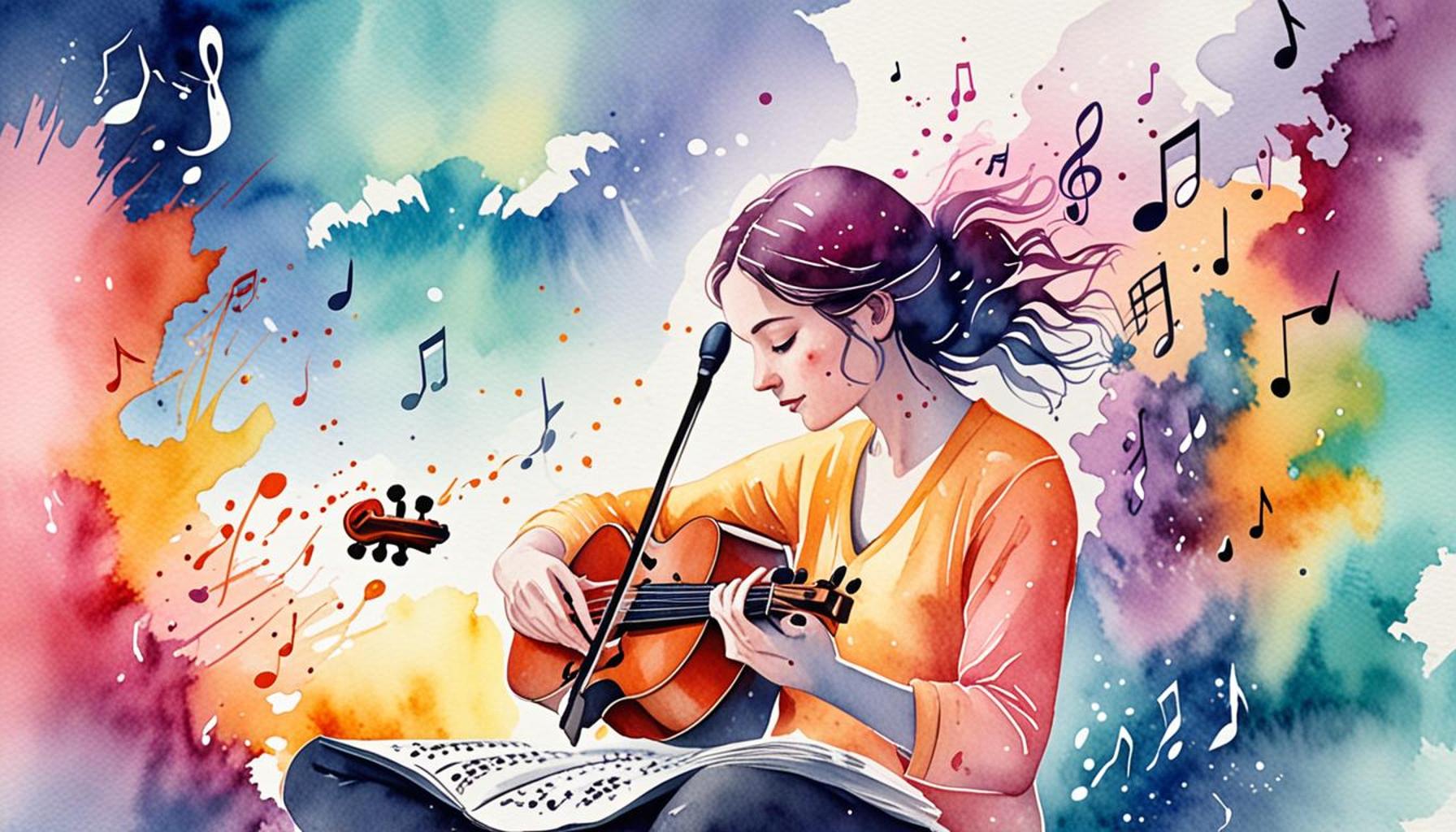
The Transformative Power of Mindfulness in Music Creation
In today’s fast-paced world, where deadlines loom large and expectations weigh heavily, musicians often find themselves embroiled in a whirlwind of stress and burnout. This constant pressure can stifle creativity, leaving artists grappling for fresh ideas and genuine inspiration. Mindfulness practice, however, shines as a beacon of hope, offering a pathway to enrich the musical creation process and rejuvenate the artist’s spirit.
Embracing mindfulness can transform the way musicians approach their art, illuminating various facets of their creative journey. Here are some fundamental aspects to consider:
- Enhanced Focus: Mindfulness cultivates a heightened state of concentration, enabling musicians to immerse themselves more deeply in their craft. For instance, a guitarist practicing mindfulness might find themselves fully engaged with the subtleties of string vibrations and resonance, uncovering new techniques or expressions they might have overlooked in a distracted state.
- Increased Inspiration: The practice of being present in each moment can yield unexpected bursts of creativity. Imagine a songwriter who, through mindful appreciation of their surroundings, draws inspiration from the sounds of nature or the rhythm of urban life, leading to innovative lyrics and compositions that resonate with listeners.
- Emotional Well-being: Mindfulness promotes mental clarity and fosters emotional stability. This is vital for artists, as authentic expression often stems from understanding and processing one’s feelings. A musician who regularly engages in mindfulness exercises may find themselves better equipped to navigate the emotional highs and lows associated with their craft, leading to more genuine performances.
As artists delve into the practice of mindfulness, they uncover a plethora of techniques to enhance their creative prowess. Simple yet effective methods, such as meditation, can provide the mental space necessary for artistic exploration. One fascinating approach is deep listening—a practice championed by renowned composer John Cage. This technique invites musicians to engage with their environment actively, cultivating awareness of every sound, which can inspire new ideas or directions in their work.
Moreover, mindfulness can extend beyond individual practice. Group mindfulness sessions among collaborators can foster a shared sense of focus and creativity, allowing musicians to build on each other’s ideas in a supportive environment. Workshops centered on mindfulness might involve breathing exercises or guided imagery to strengthen the connection between team members and their music.
Incorporating mindfulness into the musical landscape allows artists to craft not only remarkable compositions but also lives enriched with purpose and passion. As more musicians begin to explore these practices, the potential for transformative experiences—both in and out of the studio—becomes boundless. The integration of mindfulness into music offers a promising avenue for cultivating resilience, creativity, and authenticity in artists, ultimately leading to deeper connections with their audience and themselves.
DIVE DEEPER: Click here to discover more
Nurturing Creativity Through Mindfulness
As the landscape of music continues to evolve, musicians are increasingly recognizing the invaluable role that mindfulness practice plays in their creative processes. The journey of crafting music is often laden with self-doubt, anxiety, and the relentless pursuit of perfection. Yet, by integrating mindfulness techniques, artists can unlock a deeper reservoir of creativity, allowing them to connect more profoundly with their work. Here are several key ways in which mindfulness serves as a catalyst for enhanced musical creation:
- Deepened Awareness: Mindfulness encourages musicians to cultivate an acute awareness of their thoughts, feelings, and surroundings. This heightened state of consciousness can result in a greater appreciation for the nuances of sound, rhythm, and melody. For instance, a pianist who practices mindfulness may learn to appreciate the dynamic interplay between soft and loud notes, leading to more expressive performances.
- Stress Reduction: The pressures of the music industry can lead to considerable stress and anxiety. Mindfulness practices help artists reduce these feelings, creating a mental space where creativity can thrive. Research has shown that regular mindfulness practice can lower levels of cortisol, the stress hormone, enabling musicians to perform from a place of calm rather than chaos.
- Improved Problem-Solving: The creative process is often fraught with challenges, whether it’s a lyrical block or a difficult composition technique. Mindfulness training aids in developing a flexible mindset, encouraging musicians to approach problems with curiosity rather than frustration. This mindset shift can lead to innovative solutions and fresh ideas that might not have emerged otherwise.
- Connection with Emotions: Music is a deeply emotional medium, and being attuned to one’s feelings is crucial for authentic expression. Mindfulness empowers musicians to process their emotions with clarity, enabling them to channel their experiences into their art. A singer-songwriter who engages in mindfulness is likely to create lyrics that resonate on a personal level, drawing listeners into their emotional world.
Moreover, the process of making music can sometimes feel isolating, especially for solo artists. Mindfulness fosters a sense of community among musicians when practiced in groups. Collaborative mindfulness sessions can amplify the creative energy, inviting participants to share their unique insights and inspirations. These shared experiences can lead to richer musical collaborations, where artists feel less like solitary creators and more like valued contributors to a collective experience.
As the importance of mindfulness in musical creation becomes increasingly recognized, artists are encouraged to explore this enriching practice. The seamless integration of mindfulness into the creative process not only enhances the quality of the music produced but also nurtures the well-being of the artists involved. With each moment spent in mindfulness, musicians are granted the freedom to explore the vast landscape of their imagination, making way for authentic and powerful musical expression.
| Advantage | Significance |
|---|---|
| Enhanced Focus | Mindfulness practice refines a musician’s ability to concentrate, allowing them to immerse fully in their creative process. |
| Stress Reduction | Engaging in mindfulness helps alleviate anxiety, creating a mental space conducive to explorative and free-flowing musical expression. |
| Improved Emotional Connection | This practice fosters a deeper emotional awareness, enriching the music by infusing authenticity and resonance into the creation. |
| Creative Block Resolution | Mindfulness techniques can break through creative stagnation, providing clarity and re-invigorating a musician’s inspiration. |
Mindfulness practices such as meditation and deep breathing encourage artists to be present, sharpening their senses and unlocking creativity. By actively engaging with their thoughts and feelings without judgment, musicians can draw upon authentic experiences which deeply enrich their art. Additionally, cultivating such practices not only affects individual pieces but also nurtures a holistic, sustainable creative journey. This newfound emotional depth paired with clearer mental processes highlights why mindfulness should be an integral part of every musician’s toolkit, leading to groundbreaking and impactful musical creations.
DISCOVER MORE: Click here to learn about the evolution of digital design
The Synergy of Mindfulness and Musical Innovation
Beyond the personal benefits of mindfulness, there exists a broader influence on the overall innovation in music. The practice not only enhances individual creativity but also influences the diverse elements of musical collaboration and the collective artistic process. As artists engage in mindfulness techniques, they begin to cultivate an ecosystem for innovation that can lead to refreshing genres, collaborative pieces, and experimental soundscapes that challenge conventional norms.
Enhanced Focus and Concentration: With numerous distractions present in today’s fast-paced world, maintaining focus can prove to be a formidable challenge for musicians. Mindfulness training teaches artists to center their attention, allowing them to concentrate fully on their craft. By practicing mindfulness, musicians can immerse themselves in their work, whether it’s composing a symphony or fine-tuning lyrics. This laser focus not only improves the quality of their musical output but also fosters a sense of flow—an optimal state of creativity where time seems to dissolve, and inspiration flows freely.
Expanding Musical Vocabulary: Mindfulness encourages an open-minded approach to musical styles and influences. As musicians clear their mental clutter, they become more receptive to new ideas from various genres. This exploration can lead artists to experiment with fusions of styles, blending elements of jazz, classical, hip-hop, and electronic music, resulting in fresh and innovative sounds. For example, artists like Flying Lotus and Thundercat exemplify this mix of influences, showcasing how mindfulness can lead to novel musical horizons.
- Mindful Listening: Engaging deeply with the music of others is a fundamental skill for any musician. Mindful listening—fully absorbing the intricacies of a piece—can inspire artists to draw from various musical traditions. By actively listening without judgment, musicians can discern unique elements that spark their creativity, encouraging them to incorporate those influences into their own creations.
- Experimentation and Risk-Taking: A core aspect of creativity is the willingness to take risks. Mindfulness fosters a non-judgmental mindset that can help musicians step outside their comfort zones. By reducing the fear associated with failure, artists can experiment with unconventional techniques or genres, which often leads to groundbreaking compositions. This spirit of exploration is particularly evident in collaborative projects that result from mindfulness practices, where artists inspire one another to venture into uncharted territories.
The application of mindfulness extends beyond creation; it also has substantial implications for the evolution of the music industry itself. As mental health becomes an increasingly prioritized topic, mindfulness serves as a necessary tool for artists navigating the complexities of public performance, industry expectations, and personal well-being. Musicians such as Gwen Stefani and Adrianne Lenker have publicly advocated for the integration of mindfulness in their practices, opening dialogue around its significance for both creativity and mental health.
This emphasis on well-being and creativity harmonizes with contemporary movements in music that prioritize authenticity and self-expression. As the industry embraces the importance of mindfulness, musicians are encouraged to share their experiences and incorporate this practice into their daily routines. In doing so, they not only enhance their own musical journeys but also inspire a new generation of artists to approach their craft with the awareness and intention that characterized the most impactful musical revolutions.
DISCOVER MORE: Click here to learn how technology is reshaping creativity
Embracing Mindfulness for Musical Transformation
In conclusion, the integration of mindfulness practice within the realm of musical creation stands as a transformative approach that not only enhances individual creativity but also cultivates innovation within the industry at large. As musicians engage in mindfulness, they gain the ability to focus deeply, expand their musical vocabulary, and embrace experimentation without the constraints of fear or judgment. This state of awareness allows artists to push the boundaries of their craft, leading to unique and groundbreaking compositions that resonate on a deeper level.
Moreover, the ripple effects of mindfulness practices extend beyond personal artistry, influencing collaborative efforts and inspiring fellow musicians to adopt similar techniques. As the music community increasingly prioritizes mental health and self-expression, mindfulness becomes a pivotal tool for navigating the complexities of performance and the pressures of the industry. Through the experiences of renowned artists who advocate for mindfulness, such as Gwen Stefani and Adrianne Lenker, the dialogue surrounding its significance invites a fresh perspective on musical creation.
Ultimately, mindfulness is not merely a trend, but rather a profound and necessary aspect of the artistic journey. As new generations of musicians embrace mindful practices, they pave the way for a future rich with authenticity, connection, and innovative soundscapes that reflect the intricacies of human experience. By valuing the importance of mindfulness in musical creation, artists can nourish their creativity, connect with their roots, and ignite a harmonious evolution in the ever-changing landscape of music.
Related posts:
Music as Therapy: Exploring the Emotional Benefits of Musical Creation in Hobbies
Exploring Technologys Impact on Music Creation Modern Tools Trends
The Evolution of Musical Creation: How Technology Is Transforming the Creative Process
Discover Musical Composition Beginner Techniques Boundless Creativity
Creating Music for Different Media: Challenges and Opportunities in Soundtracks
The influence of personal experiences on musical composition: transforming experiences into art

Linda Carter is a writer and creative hobbies expert specializing in crafting, DIY projects, and artistic exploration. With extensive experience helping individuals discover their creative potential and bring their ideas to life, Linda shares her knowledge on our platform. Her goal is to empower readers with practical tips, inspiring ideas, and step-by-step strategies for success in the world of creative hobbies.