The Importance of Art in Education: How Creative Expression Enriches Young People’s Learning
The Role of Art in Education
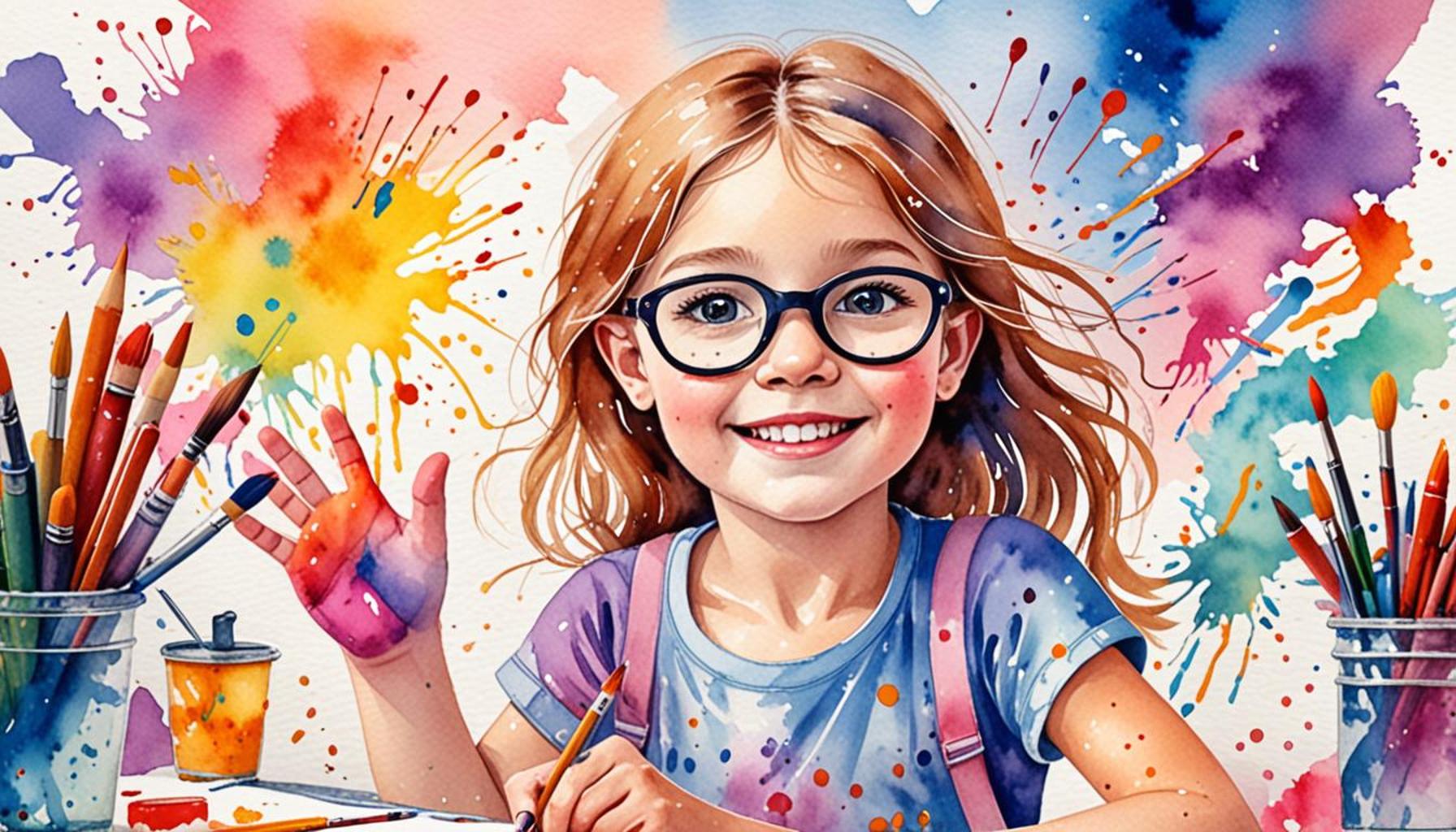
Art is not merely a subject in school; it is a vital component of a well-rounded education. Creative expression through art opens doors to various dimensions of learning that are essential for young people’s development. By incorporating the arts into educational curricula, schools can cultivate creativity, enhance academic performance, and foster emotional growth.
Consider the following benefits of integrating art into the educational curriculum:
- Cognitive Development: Engaging in art enhances critical thinking and problem-solving skills. For example, when students are tasked with creating a sculpture, they must analyze materials, balance forms, and consider spatial relationships, all of which stimulate cognitive processes. Research indicates that students who participate in visual arts achieve higher scores in standardized tests compared to their peers who do not.
- Emotional Intelligence: Art provides a means for students to express their feelings and understand others’ emotions. Through projects such as collaborative murals or expressive dance, students learn to communicate non-verbally, fostering empathy and interpersonal skills. For instance, a high school drama class focusing on character development can lead to a greater understanding of diverse perspectives, which is particularly beneficial in a culturally diverse setting like the United States.
- Cultural Awareness: Studying diverse art forms fosters an appreciation for cultural differences and histories. By exploring Native American art, African drumming, or Mexican mural painting, students gain insight into various cultural narratives and values. This exposure not only broadens their worldview but also encourages respect and understanding for diversity in contemporary society.
Research shows that students involved in arts education exhibit improved academic performance, particularly in subjects like math and literacy. For instance, a study by the Arts Education Partnership found that schools with strong arts programs had higher graduation rates and lower dropout rates. These creative outlets promote a sense of achievement and build self-confidence, elements crucial for success both in and outside the classroom.
Moreover, art education has been linked to improved collaboration skills, as students often work together on projects, learning to negotiate and share ideas freely. This collaboration mirrors workplace dynamics, preparing students for future careers in increasingly team-oriented environments.
As educators and parents, recognizing the importance of art in education is necessary for nurturing future innovators. By prioritizing creative expression, we empower young people to think freely and develop a unique perspective on the world around them. Ultimately, integrating the arts into education is not just about producing future artists; it’s about cultivating well-rounded individuals equipped with the skills to engage meaningfully with their communities and the world at large.
DIVE DEEPER: Click here to learn more about music’s impact on mental health
Enhancing Learning Through Artistic Engagement
Integrating art into education is not just about creativity; it also plays a crucial role in enhancing overall cognitive abilities. Studies have shown that engaging in artistic activities can significantly boost students’ analytical skills. For instance, when students create a piece of art, they are challenged to make decisions about composition, color, and technique. This hands-on approach requires a level of critical thinking that can extend to other academic subjects. A report by the New Horizon Foundation found that students participating in arts education performed 20% better on standardized tests and displayed improved problem-solving abilities, indicating a direct correlation between art involvement and enhanced cognitive skills.
Moreover, art education can serve as a powerful tool for strengthening memory retention. Neuroscience research indicates that engaging multiple senses in learning—through visual arts, music, and drama—can deepen the understanding and recall of information. For example, a student who learns about historical events while creating a themed mural may better grasp the material, as they actively engage with it rather than passively absorbing facts. This creates a holistic learning experience, profoundly embedding knowledge in their memory.
Development of Communication Skills
Art fosters not only individual expression but also essential communication skills that are vital in today’s interconnected world. When students participate in projects that require group collaboration, they learn to articulate their thoughts clearly and listen to others. This practice is especially evident in classrooms where theater, music, and visual arts programs require discussion, negotiation, and teamwork. For instance, participating in a school play involves understanding character motivations and collaborating with peers, which translates to improved interpersonal skills.
The ability to communicate effectively is increasingly crucial in various career fields that value teamwork and collaboration. A survey conducted by the National Education Association found that employers rate communication skills as one of the top attributes they seek in potential employees. By prioritizing art in education, we equip students with the ability to express themselves confidently and work well within diverse teams.
Building Resilience and Confidence
Creative expression through art also plays an integral role in building resilience and self-esteem in young people. Making mistakes is part of the artistic process, and learning to navigate these challenges foster a growth mindset. Students who engage in art projects learn to view failures as opportunities for improvement rather than setbacks. This resilience is invaluable, as it encourages them to tackle complex problems both academically and personally.
Additionally, the act of creating art can significantly boost self-confidence. When students exhibit their artwork or perform in front of an audience, they experience a sense of accomplishment that contributes to positive self-perception. Celebrating these small victories can propel them forward in their educational journey, making them more willing to take risks in other areas of learning.
Ultimately, the integration of art in education is not just an enhancement of the curriculum; it is a vital investment in the comprehensive development of young individuals. By recognizing the myriad benefits that art brings to the educational experience, we lay a foundation for nurturing creative, resilient, and empathetic future leaders.
Art education plays a pivotal role in nurturing the holistic development of young people, cultivating essential skills that extend beyond the classroom. One significant advantage is the enhancement of critical thinking abilities. Engaging with various forms of art encourages students to analyze, interpret, and critique visual and performing arts. As they navigate through artistic processes, they learn to explore multiple perspectives, fostering their ability to think creatively and develop innovative solutions to everyday problems.Moreover, participation in arts programs has been linked to improved academic performance across disciplines. Studies indicate that students involved in arts education often exhibit higher levels of engagement in their studies. This increased motivation stems from the joy of creative expression, which aids in reinforcing core subjects like mathematics and language arts. For instance, drawing can help improve spatial reasoning skills, while theater arts enhance public speaking abilities and self-confidence.Additionally, art serves as a vital conduit for emotional expression and mental well-being. Many young individuals struggle with finding words to convey their feelings; however, through painting, music, or drama, they can channel their emotions in a constructive manner. Such creative outlets not only provide a sense of relief from academic pressures but also promote resilience and emotional intelligence.Community engagement is another aspect where art education shines. Through collaborative art projects, students learn the value of teamwork, respect for others’ ideas, and cultural awareness. These experiences shape their social skills, helping them become more empathetic and socially responsible individuals.As the educational landscape continues to evolve, integrating art into the curriculum is crucial. By fostering creativity, enhancing academic performance, promoting emotional health, and building social connections, art in education paves the way for a well-rounded, more enriched learning experience. Creating an environment that supports artistic endeavors ensures that young people are not only prepared for future academic challenges but also equipped with life skills that will benefit them in various aspects of their lives.
DIVE DEEPER: Click here to learn essential sewing techniques
Cultivating Empathy and Cultural Awareness
Art serves as a unique medium through which young people can explore and understand diverse cultures and perspectives. Integrating art education fosters an appreciation for cultural heritage and encourages students to think critically about their own identities while also recognizing the stories of others. For instance, a project involving indigenous art forms can open up discussions about history, social justice, and the importance of voice in storytelling. This cultural exploration can be transformative as it not only enhances students’ artistic skills but also promotes greater empathy and understanding towards different backgrounds and experiences.
In the context of today’s global society, being culturally aware and empathetic is more important than ever. A report from the Arts Education Partnership indicates that students engaged in arts learning experiences are more likely to develop social skills and cultural competence. This in turn prepares them to navigate the complexities of a multicultural workforce and community. When students learn about and appreciate art from various cultures, they are more equipped to engage in meaningful dialogue and challenge stereotypes, paving the way for a more inclusive and compassionate society.
Encouraging Innovation and Adaptability
Art is inherently about innovation, pushing boundaries, and thinking outside the box. By promoting creative thought processes, art education nurtures a sense of curiosity and fosters a mindset conducive to innovation. In an era where technological advancements are rapidly transforming industries, schools that incorporate arts curricula prepare students to be adaptive and forward-thinking. For instance, a student who learns to use digital tools to create multimedia art projects develops skills that are applicable not only in artistic ventures but also in marketing, technology, and engineering realms.
Furthermore, art education encourages risk-taking in a safe environment, where students can explore new ideas without the fear of judgment. This freedom to innovate translates into other disciplines as students become more willing to try new approaches and solutions to problems. A key finding from the National Endowment for the Arts suggests that students engaged in the arts are more likely to excel in STEM (science, technology, engineering, math) subjects by shifting their approach to learning through creative exploration.
Improving Mental Health and Well-Being
The positive impact of art on mental health is another vital aspect of its importance in education. Engaging in artistic activities has been shown to reduce stress and anxiety levels among students. The process of creating art allows for personal expression, provides an outlet for emotions, and helps in processing complex feelings. Schools that emphasize art education contribute to a more well-rounded approach to mental well-being, recognizing that emotional health is fundamental to effective learning.
A study published in the Journal of School Health found that students who participate in arts programs reported higher levels of self-esteem and overall happiness. These findings underline the need for educational institutions to prioritize not only academic achievement but also the emotional landscape of young learners. Programs such as art therapy in schools highlight the urgent importance of arts education in cultivating a supportive environment that attends to students’ comprehensive needs.
By integrating art into educational frameworks, we are not merely adding a subject; we are enriching the entire learning experience. The multifaceted benefits of art cannot be overstated, as it opens doors to innovation, empathy, cultural understanding, and mental well-being, preparing young people for the complexities of the world around them.
DISCOVER MORE: Click here to dive deeper
Conclusion: A Call to Embrace Art in Education
The significance of art in education is profound and multifaceted, impacting young people’s learning on numerous levels. As we have explored, art education is not just about cultivating future artists; it is about enriching the minds and hearts of all students. By fostering empathy and cultural awareness, students become more attuned to diverse perspectives, nurturing a more inclusive society that values stories from varied backgrounds.
Additionally, the emphasis on creativity fosters innovation and adaptability, skills that are indispensable in our rapidly evolving world. In an age dominated by technology and fast-paced change, young learners equipped with artistic skills are better prepared to tackle challenges and contribute to various fields, from science and technology to education and business. This adaptability is crucial as they transition into a workforce demanding novel solutions and forward-thinking approaches.
Moreover, the relationship between art and mental health is undeniable; the ability to express oneself creatively can serve as a powerful tool for emotional processing and resilience. Educational institutions must prioritize art education as part of a holistic approach to student well-being, recognizing the importance of nurturing both the intellect and the spirit.
In conclusion, integrating art into educational curricula is not merely an enhancement to academic offerings; it is a vital component that enriches the overall learning experience. It is imperative that educators, policymakers, and communities come together to champion the arts, ensuring that future generations can thrive amid the complexities of the world. By doing so, we empower our youth to become not just well-rounded individuals but also compassionate, innovative leaders of tomorrow.
Related posts:
The Influence of Art on Personal Identity: How Creative Expression Reflects Our Stories
Artistic Expression and Wearable Technology: Innovations That Are Changing the Way We Create and Sha...
The Intersection of Art and Fashion: How Creatives Are Reinventing Trends through Artistic Expressio...
The Art of Photography as a Form of Personal Narrative: Capturing Emotions and Moments
The Evolution of Abstract Painting Art Reflecting Social Change
The Importance of Artistic Expression in Mental Health: How Creating Art Can Aid in Self-Healing

Linda Carter is a writer and creative hobbies expert specializing in crafting, DIY projects, and artistic exploration. With extensive experience helping individuals discover their creative potential and bring their ideas to life, Linda shares her knowledge on our platform. Her goal is to empower readers with practical tips, inspiring ideas, and step-by-step strategies for success in the world of creative hobbies.