The Evolution of Performing Arts: How New Technologies Are Transforming the Stage
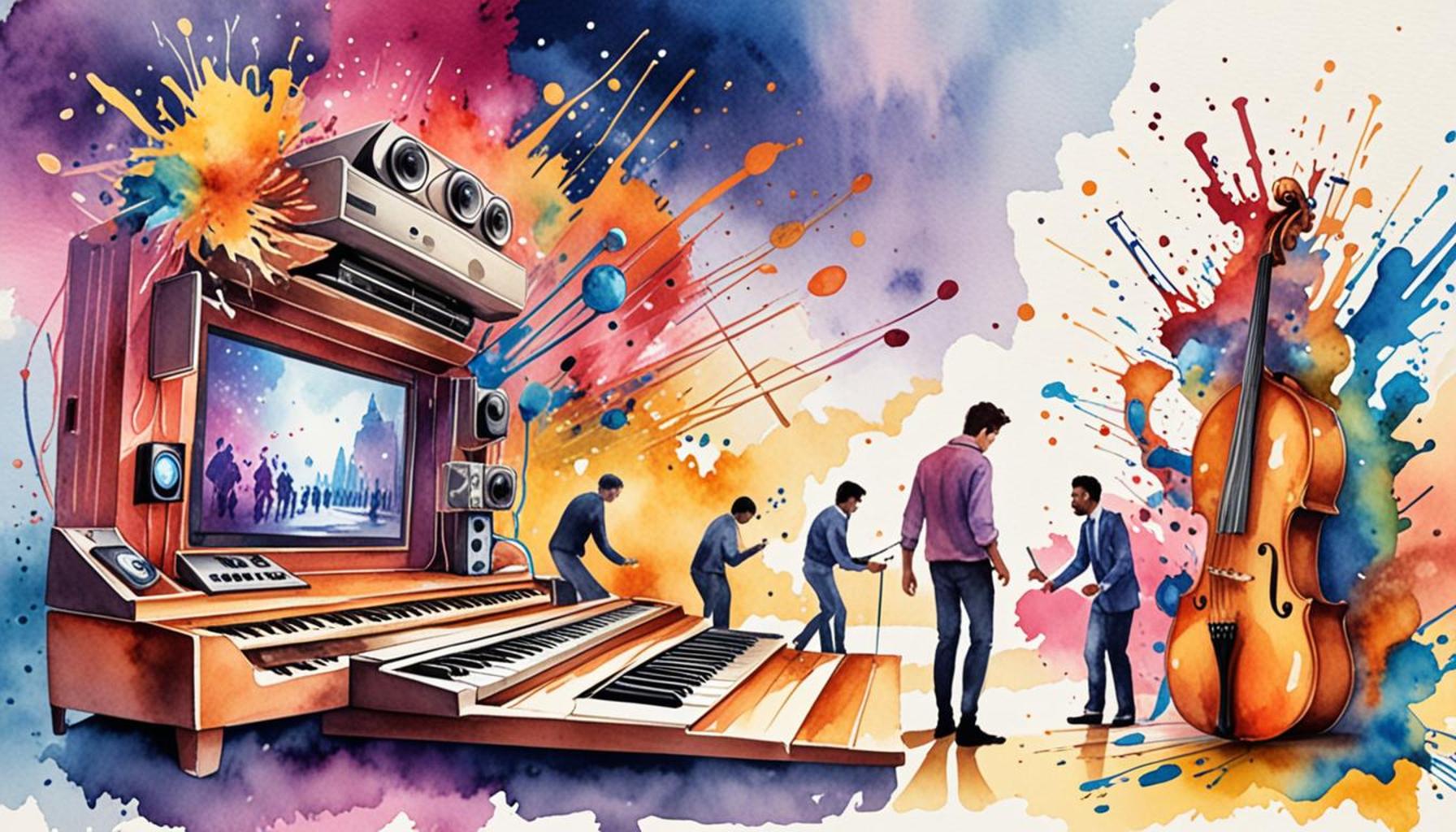
Transforming the Performing Arts Landscape
The rapidly evolving landscape of technology is reshaping the performing arts in unprecedented ways. Contemporary stages, no longer confined to the traditional formats of the past, now incorporate a myriad of innovative tools that elevate the audiences’ experience. This transformation is crucial as it enhances creativity and artistic expression while also addressing the changing expectations of today’s spectators.
Virtual Reality (VR): A New Dimension of Experience
Virtual Reality (VR) is revolutionizing audience engagement by immersing spectators in expansive, three-dimensional environments. Through VR headsets, viewers can step into a performance that transcends physical limitations. For example, a ballet performance could simulate an ethereal forest, allowing audiences to feel as if they are dancing among the trees. Major institutions like the Lincoln Center in New York have begun experimenting with VR sessions for their productions, pushing the boundaries of how art can be consumed.
Augmented Reality (AR): Bridging Reality and Imagination
Augmented Reality (AR) takes this immersion a step further by overlaying digital elements onto live performances. This technology allows imaginations to intertwine with reality, enhancing visual storytelling. Imagine a concert where digital animations of fireflies flutter around the stage or a theatrical performance where characters appear to interact with virtual creatures in real time. Productions like the Broadway show “Dear Evan Hansen” utilized AR to enrich the storytelling experience, highlighting the emotional nuances of the narrative.
Digital Projection: Crafting Emotional Landscapes
Digital Projection is now a staple in many performances, offering striking backdrops that can shift the mood and setting instantaneously. This method provides scenic designers with limitless options to evoke various emotional responses. For instance, the use of projection in the acclaimed musical “Hamilton” allowed for quick transitions between locations and settings, keeping the momentum flowing and the audiences captivated.
Live Streaming: Globalizing Access to the Arts
Live Streaming has emerged as a game-changing tool, allowing performances to reach broader and more diverse audiences than ever before. In a world that thrives on instant access, streaming services enable anyone with an internet connection to experience live shows directly from their homes. The COVID-19 pandemic accelerated this trend, with many theaters, such as the National Theatre in London, offering live streaming options for their performances, thus setting a precedent for future accessibility in live arts.
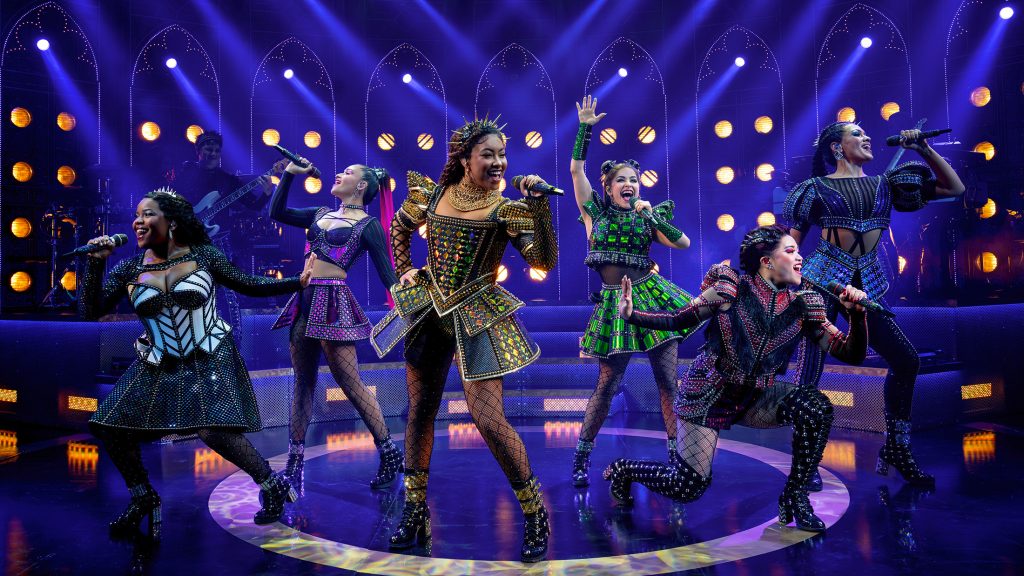
Artificial Intelligence (AI): The Future of Creation
With the advent of Artificial Intelligence (AI), creators are witnessing a transformation not just in performance delivery but also in content creation and stage management. AI tools can analyze performances in real-time and suggest creative adjustments based on audience feedback. Additionally, composers are using AI algorithms to generate music or assists playwrights in crafting compelling narratives, blending human creativity with machine efficiency.
As these technologies interweave with traditional art forms, they challenge creators and audiences to rethink the essence of performance itself. These advancements not only create opportunities for new artistic expressions but also raise important questions about accessibility, audience interaction, and the future direction of live entertainment. The promising fusion of art and technology invites all of us to stay curious and engaged with this ever-evolving realm. In the end, the future of the performing arts promises to be as dynamic and multifaceted as the technologies propelling it forward.
DON’T MISS: Click here to dive into essential tools and techniques
Reimagining Artistry Through Technology
The intersection of technology and the performing arts has led to a reimagining of how art is created, presented, and experienced. As we move deeper into the 21st century, artists and audiences alike are embracing these technological advancements, fundamentally altering the artistic landscape. This evolution invites a fresh perspective on production methods, accessibility, and the roles both actors and audiences play within the performance.
Interactive Performances: Audience as Participants
Interactive performances are emerging as a groundbreaking concept that invites audiences to step beyond passive observation. Imagine a theater experience where the audience’s choices influence the direction of the narrative. Such performances have been successfully executed in productions like “Theater for One,” where a single spectator interacts with live performers, blurring the line between actor and viewer. This bespoke approach not only captivates participants but also fosters a deeper connection to the art, making it a shared journey of exploration.
Social Media: Amplifying Voices and Reach
In today’s digital age, social media platforms have become vital tools for performers and productions to engage with their audiences before, during, and after a show. Creators can utilize platforms such as Instagram, Twitter, and TikTok to showcase behind-the-scenes content, generate buzz, and even interact with fans in real time. The viral nature of these platforms allows newfound companies and indie artists to gain traction quickly, exemplified by the success of web series that morph into full-scale productions based on audience enthusiasm.
Smart Stage Technology: Enhancing Production Design
Smart stage technology encompasses tools such as robotics, automated lighting, and motion-control systems that revolutionize how productions are staged. These innovations allow for intricate set changes, automated prop placements, and dynamic lighting adjustments that can occur seamlessly within the performance. For instance, the National Theatre’s epic production of “War Horse” utilizes elaborate puppetry combined with smart mechanics to create lifelike horses, showcasing how technology can elevate storytelling and create unforgettable visual spectacles.
Data Analytics: Understanding Audience Engagement
In an era driven by data, the performing arts sector is leveraging analytics to gain insights into audience preferences and behaviors. By utilizing data collection tools, production companies can assess ticket sales, audience demographics, and viewer feedback to optimize future performances. This analytical approach ensures that artists are not only creating compelling art but are also aligning it with what resonates with their audience, thus bridging the gap between creator intent and audience reception.
The Impact of 3D Printing: Revamping Set Design
One of the most exciting developments is 3D printing, which has introduced a creative revolution in set and costume design. Artists are now able to produce intricate designs that were previously time-consuming or cost-prohibitive. This technology enables designers to experiment with materials and structures, creating imaginative and fantastical environments that transport audiences to new worlds. As showcased in productions like “The Lion King,” where unique textures and shapes can be realized through 3D-printed elements, the possibilities seem limitless.
The convergence of technology and performing arts brings with it a myriad of opportunities. Audiences are no longer just passive observers; they are active participants in a vibrant, immersive universe. As we explore these innovations, exciting narratives will continue to emerge, prompting not only a rethinking of how we experience performances but also what it means to engage with art itself.
As we delve deeper into the evolution of performing arts, it’s essential to consider how virtual reality (VR) and augmented reality (AR) are shaping the experiences available to both performers and audiences. The infusion of these technologies has not only revolutionized how stories are told but also enhanced audience engagement dramatically. VR allows audiences to immerse themselves in dynamic environments, making them feel as though they are part of the performance rather than just observers. This blurs the line between reality and performance, creating a new genre of interactive theatre.Moreover, live streaming has opened doors for performers, breaking geographic barriers that traditionally constrained theatre attendance. Artists can now reach global audiences, allowing a diverse range of performance styles to thrive beyond their local venues. This democratization of art enables aspiring performers from various backgrounds to showcase their talents, potentially leading to a more diverse cultural dialogue.Additionally, the use of digital sound and lighting design enhances the atmosphere of performances. Technologies like programmable LED lights and sophisticated sound mixers enable directors to create experiences that were once unimaginable. The result is a sensory explosion that captivates audiences and establishes a deeper emotional connection with the narrative being presented.While traditional forms of performing arts still hold their ground, it is undeniable that new technologies are breathing fresh life into this timeless domain. Through innovative methods, artists can explore uncharted territories, pushing the boundaries of creativity and challenging the conventions of theatre as we know it. As we witness these transformations unfold, it encourages a reflective examination of what the future of performing arts may entail, and how audiences will continue to adapt to these captivating changes. In the following section, we will examine specific case studies that highlight these technological integrations in successful productions, demonstrating their profound impact on how stories are told and experienced in modern theatre.
LEARN MORE: Click here for essential tips
The Future is Now: Pioneering Innovations in the Performing Arts
The landscape of the performing arts continues to evolve rapidly, propelled by a torrent of innovations that challenge traditional norms and redefine the boundaries of creativity. As artists explore new frontiers, the incorporation of cutting-edge technologies not only enhances their storytelling abilities but also allows for a broader spectrum of engagement with audiences. This section dives into the transformative technologies that are reshaping how stories are told on stage.
Augmented Reality (AR) and Virtual Reality (VR): New Dimensions of Storytelling
Imagine walking through a virtual world that complements a live performance; augmented reality (AR) and virtual reality (VR) are making this a tangible reality. By merging the physical and digital realms, these technologies allow for immersive experiences where the audience can interact with the performance in ways previously unimaginable. Productions like “The Under Presents” blend live theater with VR, creating an environment where viewers can manipulate elements and influence the narrative, transforming the audience from mere spectators into integral parts of the experience.
Artificial Intelligence: A Creative Collaborator
Artificial intelligence (AI) is stepping into the creative realm, challenging traditional approaches to writing and choreography. AI algorithms can analyze vast datasets of historical performances, assess audience preferences, and even generate scripts or music. An example can be found in the work of the AI program “AIVA,” which composes orchestral music that has been incorporated into theatrical scores. While AI is still far from replacing human creativity, its role as an assistant is growing, prompting artists to rethink the collaborative potential between human and machine.
Live Streaming: Expanding Accessibility
The rise of live streaming platforms has opened avenues for performances to reach audiences far beyond geographical constraints. Events that once required a physical presence can now be accessed from the comfort of one’s home. Major theaters, such as the Royal Opera House, have begun offering live broadcast viewings, allowing performances to be enjoyed worldwide in real-time. This innovation not only democratizes access to the arts but also caters to people who may not have the opportunity or means to visit a physical venue.
Mobile Applications: Enhancing Audience Interaction
Mobile technology is also playing a significant role in enhancing audience engagement. Mobile applications for theater productions serve as platforms for enhanced interaction, offering tools for feedback, pre-show content, and interactive story elements. For instance, the app for “Sleep No More” allows users to choose characters and narratives based on their selections, enriching the experience and encouraging repeated visits. As the app culture flourishes, it provides performers with a direct line to gauge audience reactions and preferences.
Environmental Sustainability: A New Focus in Production
As environmental consciousness grows, the performing arts community is also harnessing technology to become more sustainable. Advanced technologies in stagecraft and set design can create eco-friendly productions that reduce waste and energy consumption. Innovations like LED lighting systems and recyclable materials are now becoming standard practice in theaters, aligning artistic endeavors with ecological responsibility. A successful example is found in the Broadway production of “Hamilton,” which uses sustainable practices while delivering a powerful narrative, proving that artistry can coexist harmoniously with environmental stewardship.
As these innovative technologies continue to flourish, they bring along a wave of possibilities for the performing arts. From interactive experiences that break down barriers between performers and spectators to environmentally conscious practices that push the industry forward, the intersection of technology and art is paving the way for the future of storytelling on stage. These advancements are not merely add-ons; they redefine what it means to experience a performance in today’s dynamic cultural landscape.
DISCOVER MORE: Click here to learn how music can enhance your well-being
Conclusion: A New Era of Performing Arts
The evolution of performing arts stands at a remarkable intersection of tradition and innovation, profoundly influenced by the rapid advancement of technology. As we have explored, augmented reality (AR) and virtual reality (VR) have opened doors to immersive experiences that challenge the conventional boundaries of theater. Meanwhile, artificial intelligence (AI) acts as a collaborative partner, enhancing creativity and altering how narratives unfold. Live streaming has democratized access, allowing audiences from diverse backgrounds to experience performances they may have otherwise missed, transforming the once exclusive nature of theater into something more inclusive and widespread.
Furthermore, the rise of mobile applications enhances audience interaction, offering tools that encourage deeper engagement and personalization within performances. The focus on environmental sustainability showcases the performing arts’ commitment to responsibility, paving the way for productions that honor our planet while maintaining artistic integrity. These technological innovations are redefining what it means to engage with art, merging the realms of digital and physical in ways that resonate on multiple levels.
As we look to the future, the performing arts landscape is set to continue its transformation. Artists and technologists will unite in an ongoing dialogue that will foster creativity and challenge the status quo. By embracing these advancements, the performing arts community is not only preserving its relevance but also revitalizing the very essence of storytelling in our contemporary world. As audiences, we stand to benefit immensely from this vibrant evolution, enhancing our appreciation of the profound connection between art and technology.
Related posts:
Linda Carter is a writer and creative hobbies expert specializing in crafting, DIY projects, and artistic exploration. With extensive experience helping individuals discover their creative potential and bring their ideas to life, Linda shares her knowledge on our platform. Her goal is to empower readers with practical tips, inspiring ideas, and step-by-step strategies for success in the world of creative hobbies.