The Evolution of Musical Creation: How Technology Is Transforming the Creative Process
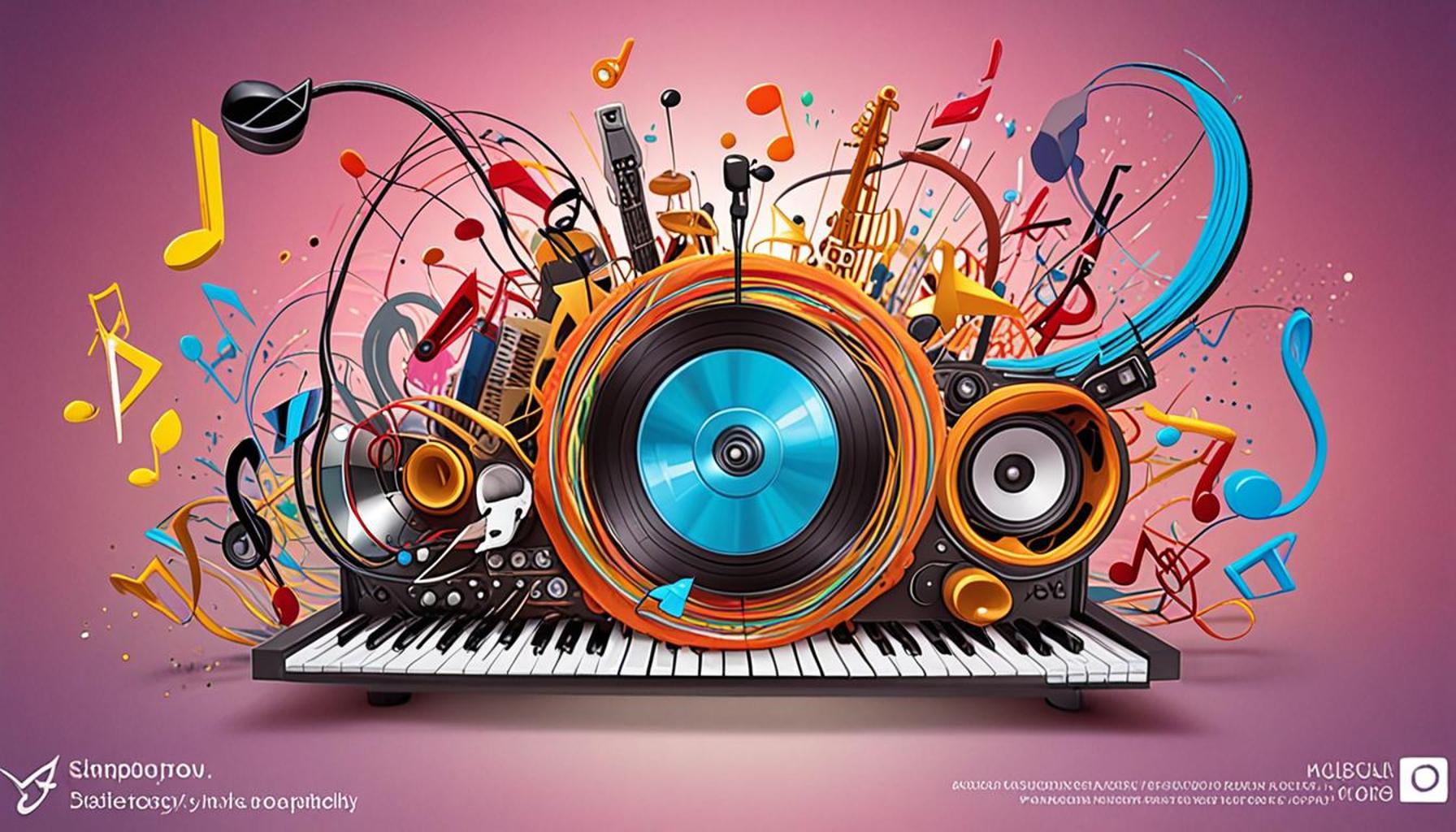
The Evolving Landscape of Music Creation
In recent years, the music industry has experienced a transformative shift that has fundamentally altered the processes through which music is created, produced, and disseminated. This evolution is fueled by technological advancements that enable artists to expand their creative boundaries while making music more accessible to listeners around the globe.
One of the most significant advancements in music creation is the advent of Digital Audio Workstations (DAWs). Programs such as Ableton Live, Logic Pro X, and Pro Tools have revolutionized the recording process, allowing musicians to compose and mix tracks with remarkable precision. These tools offer a plethora of features, including MIDI composition, virtual instruments, and premium sound effects, which were once achievable only in high-end studios. For instance, independent artists can now produce radio-quality tracks from the comfort of their homes, reducing the reliance on traditional record labels and production teams.
Furthermore, the rise of Artificial Intelligence (AI) has introduced a new dimension to music composition. AI algorithms can analyze vast quantities of musical data to create original compositions or suggest chords that align with specific genres or styles. Systems like OpenAI’s MuseNet can mimic the creative flair of well-known artists, opening up discussions about authorship and originality in music. As AI continues to evolve, it provides intriguing possibilities for collaboration between human artists and machine-generated creativity.
The listening experience has also drastically changed, thanks to streaming platforms like Spotify, Apple Music, and YouTube Music. These platforms not only provide instant access to millions of songs but also employ complex algorithms that personalize music recommendations. This shift has democratized music consumption, allowing emerging artists to gain recognition based solely on their talent rather than their marketing budgets, which has historically been a barrier in the industry.
The democratization of music production doesn’t stop at distribution. Aspiring artists now find themselves equipped with affordable recording equipment, such as high-quality microphones, audio interfaces, and even sophisticated software that was once exclusive to the elite. This availability empowers a new generation of musicians to experiment with their sound and publish their work without the constraints imposed by traditional music production.
In addition to recording tools, online collaboration platforms such as Soundtrap and Splice allow musicians from different geographical locations to create music together in real-time, thus facilitating cross-cultural exchanges that enrich the music landscape. A musician in Los Angeles can collaborate with a vocalist in London, while producers in Tokyo can contribute beats, resulting in innovative blends of genres that may not have emerged otherwise.
Finally, social media platforms like Instagram, TikTok, and Twitter serve as powerful tools for artists to promote their music and interact directly with their fans. This direct engagement eliminates the need for traditional advertisement channels, enabling musicians to effectively market themselves while building their brand authenticity. Viral challenges or trends can catapult unknown songs into mainstream popularity overnight, showcasing the potential of social media to shape music careers in unprecedented ways.
As we delve further into this captivating transformation, it becomes abundantly clear that the profound impacts of technology are reshaping not only how music is created but also how it is experienced. This evolution invites us to reconsider the boundaries of musical creativity, prompting discussions about the future of the industry as both artists and listeners adjust to the new landscape.
DIVE DEEPER: Click here to discover the essential crafting skills for therapy
The New Tools of Musical Innovation
The transformation of music creation through technology has fundamentally altered the way artists approach their craft. As we explore the contemporary tools available to musicians, we discover an array of innovative solutions that not only enhance creativity but also simplify complex processes. This chapter of music history is marked by an unprecedented embrace of tools that empower artists to engage in a self-sufficient creative cycle.
At the forefront of this revolution are Digital Audio Workstations (DAWs), which have democratized music production in remarkable ways. Emerging artists can now harness the capabilities of software that was once confined to the realms of commercial studios. With advanced features for recording, mixing, and mastering at their fingertips, musicians no longer need to book expensive studio time to produce quality tracks. Popular DAWs such as Ableton Live, Logic Pro X, and FL Studio provide a user-friendly interface that allows these artists to edit intricate sounds, create loops, and utilize a vast library of virtual instruments.
Furthermore, plugin technology has expanded the possibilities for sound design. Musicians can integrate various effects and synths seamlessly into their projects, spanning diverse genres from electronic to acoustic. The ease of using VST (Virtual Studio Technology) plugins encourages experimentation, leading to groundbreaking sonic explorations. Some examples of influential plugins include Native Instruments’ Kontakt for sampled instruments, Serum for wavetable synthesis, and FabFilter’s effects suite for dynamic processing. These innovations not only enhance the creative palette but also contribute to a unique sound that defines the artist’s identity.
The use of loop and sample libraries has also reshaped music creation. Artists can quickly incorporate high-quality sounds collected from various genres and cultures into their tracks. Platforms like Splice and Loopmasters provide a vast repository of loops that cater to diverse musical styles, enabling musicians to incorporate elements that would typically require specialized instruments or musicians. This exposure to global sounds facilitates the cross-pollination of musical ideas, further enriching the creative process.
As we consider the shift towards technology-driven music creation, it’s also essential to acknowledge the role of collaboration tools in fostering musical partnerships. With platforms like Soundtrap and BandLab, musicians can connect and collaborate remotely, allowing spontaneity and creativity to flourish regardless of geographic boundaries. This has led to the rise of collaborations in which diverse influences converge, creating a tapestry of sounds that reflect a modern and interconnected world. The possibilities are virtually limitless, as artists can share their work-in-progress in real-time, refine their songs together, and contribute ideas without being confined to a single location.
In summary, the landscape of musical creation is undergoing a radical transformation driven by technological advancements. As artists harness the power of Digital Audio Workstations, plugins, sample libraries, and collaboration tools, they are redefining the boundaries of what is possible in music-making. This shift not only empowers musicians but also influences the music itself, yielding a rich diversity of sound that will continue to evolve as technology advances. For listeners and creators alike, we find ourselves at the brink of an exciting new era in the art of musical expression.
The Creative Toolbox: New Technologies in Music Production
As we delve deeper into the evolution of musical creation, it’s essential to explore the array of technologies that have drastically altered the landscape for artists. Digital audio workstations (DAWs) serve as the backbone of modern music production, providing users with powerful tools for recording, editing, and mixing. These platforms not only enhance creativity but also offer advanced features like automated mixing and real-time collaboration. For instance, platforms like Ableton Live and Logic Pro X have become staples for many musicians, allowing them to express their ideas with unprecedented ease.Moreover, the rise of artificial intelligence in music is paving a new frontier in the creative process. AI-driven applications can analyze vast databases of music to produce melodies, suggest chord progressions, and even tailor lyrics to fit specific genres. Companies like OpenAI’s MuseNet create original compositions based on user-defined parameters, showcasing how technology can both assist and inspire.Technology isn’t just making production more efficient; it’s revolutionizing how we share and experience music. The emergence of streaming platforms has transformed the traditional distribution model, enabling artists to reach global audiences instantly. With services such as Spotify and SoundCloud, musicians can share their work widely without the constraints of conventional record labels, democratizing access to music creation and distribution.Furthermore, tools like MIDI controllers and synthesizers are becoming more accessible, allowing aspiring musicians to experiment and innovate. Innovations such as virtual instruments and sample libraries enable users to create complex sounds at a fraction of the cost of physical equipment. As technology continues to evolve, the boundaries of musical creativity expand, offering exciting opportunities for those willing to explore.This transformation signifies more than just a shift in tools; it denotes a fundamental change in how music is perceived and created. By blending traditional musicianship with cutting-edge technology, today’s creators are not only redefining their art but are also engaging audiences in entirely new ways. As we continue to navigate this digital landscape, the question remains: how will future innovations further reshape the essence of music itself?
| Category | Advantages |
|---|---|
| Digital Audio Workstations (DAWs) | Enable seamless recording, editing, and collaboration, boosting productivity and creativity. |
| Artificial Intelligence | Revolutionizes melody generation, chord suggestions, and innovative composition tailored to users’ needs. |
The intersection of technology and art continues to evolve, encouraging musicians to embrace cutting-edge innovations while retaining the craft and ingenuity that lies at the heart of the creative process.
DIVE DEEPER: Click here to uncover the art of repurposing
The Impact of Artificial Intelligence and Machine Learning on Music Creation
As we explore the multifaceted evolution of musical creation, artificial intelligence (AI) and machine learning emerge as powerful forces reshaping the landscape of music production. These technologies are not merely futuristic concepts; they are already integrated into numerous facets of the creative process, from composition to sound synthesis. AI-driven tools can analyze vast datasets of music, identifying patterns and generating new musical ideas, ultimately transforming the role of the musician.
One notable example of AI’s presence in music is OpenAI’s MuseNet, a deep learning model capable of composing music in various styles, from classical composers like Bach to contemporary genres like pop and hip-hop. By training on a diverse dataset, MuseNet can generate original compositions that humans can build upon or draw inspiration from. Moreover, such technologies provide aspiring musicians with a springboard for creativity, allowing them to venture into new stylistic territories that they may not have explored otherwise.
Another intriguing development is the emergence of AI-assisted songwriting platforms like Amper Music and AIVA. By harnessing the power of AI, these platforms allow users to create complete tracks by simply inputting parameters such as mood, genre, and instrumentation. This democratizes the creative process, enabling individuals with little to no formal training to produce polished music effortlessly. The capability to instantly generate ideas encourages a culture of experimentation and reduces the barrier to entry for new artists.
AI’s influence extends beyond composition into music production as well. Tools like LANDR use algorithms to analyze mixes and master audio tracks to professional standards, making quality production accessible to everyone. This technology empowers musicians to take control of their sound, leading to a more personalized approach that reflects their unique artistic vision without needing to rely on expensive sound engineers.
Moreover, machine learning algorithms are also enhancing the way musicians discover and curate sounds. Platforms like Spotify use AI to analyze listening habits, predicting user preferences and curating playlists accordingly. This personalization not only expands listeners’ exposure to new music but also provides artists with real-time feedback on their work. By analyzing trends within the data, musicians can better understand their audience and tailor their creations to resonate with them.
The proliferation of algorithmic music generators raises thought-provoking questions about authorship and creativity. If a machine can create compelling musical pieces, what does it mean to be a musician in this new landscape? Despite these challenges, the collaboration between human artists and AI technologies fosters a unique synergy that can lead to groundbreaking musical innovations, ultimately representing a new frontier in artistic expression.
The relationship between technology and music creation is evolving at an extraordinary pace. As AI and machine learning become increasingly embedded in the creative process, they are not just tools for musicians, but collaborators that inspire and push the boundaries of what is achievable in music. This merging of human creativity and technological advancement promises a dynamic future for the industry, where the possibilities for musical exploration are as limitless as the technology itself.
DIVE DEEPER: Click here for essential sewing techniques
Conclusion: The Future Sounds of Musical Creation
As we conclude our exploration of the evolution of musical creation, it becomes increasingly clear that technology plays a pivotal role in shaping the way music is composed, produced, and consumed. From the emergence of artificial intelligence and machine learning tools that facilitate complex compositions to innovative platforms that allow anyone to create music regardless of their technical background, we witness a profound transformation in the creative process. This democratization of music-making not only opens doors for aspiring artists but also fosters a culture of collaboration between human creativity and machine efficiency.
The incorporation of algorithmic generators and personalized algorithms in streaming services highlights the growing intersection between technology and artistic expression. As these tools advance, they allow musicians to explore uncharted territories of creativity, challenging traditional notions of authorship and pushing the boundaries of what is considered music. The future promises a rich tapestry of sounds where collaborations thrive, allowing for an unprecedented mix of cultural influences and artistic styles.
However, with these transitions come critical questions regarding the nature of creativity itself. As artists and technologists continue to navigate this evolving landscape, ongoing discourse about the role of human touch in music creation will be essential. Ultimately, as we embrace the advantages of technological advancements, there lies a need to maintain a profound connection to the human experience that serves as the heart of all great music. The future of musical creation is indeed bright, bursting with endless possibilities for those willing to adapt and innovate in this new age of artistry.
Related posts:
The influence of personal experiences on musical composition: transforming experiences into art
The importance of mindfulness practice in musical creation: how mindfulness can enhance the creative...
Creating Music for Different Media: Challenges and Opportunities in Soundtracks
Exploring Technologys Impact on Music Creation Modern Tools Trends
Music as Therapy: Exploring the Emotional Benefits of Musical Creation in Hobbies
The Influence of Social Media on Music Creation: Connecting Artists and Audiences
Linda Carter is a writer and creative hobbies expert specializing in crafting, DIY projects, and artistic exploration. With extensive experience helping individuals discover their creative potential and bring their ideas to life, Linda shares her knowledge on our platform. Her goal is to empower readers with practical tips, inspiring ideas, and step-by-step strategies for success in the world of creative hobbies.