The Evolution of Digital Design: How Technology is Transforming Our Creative Hobbies
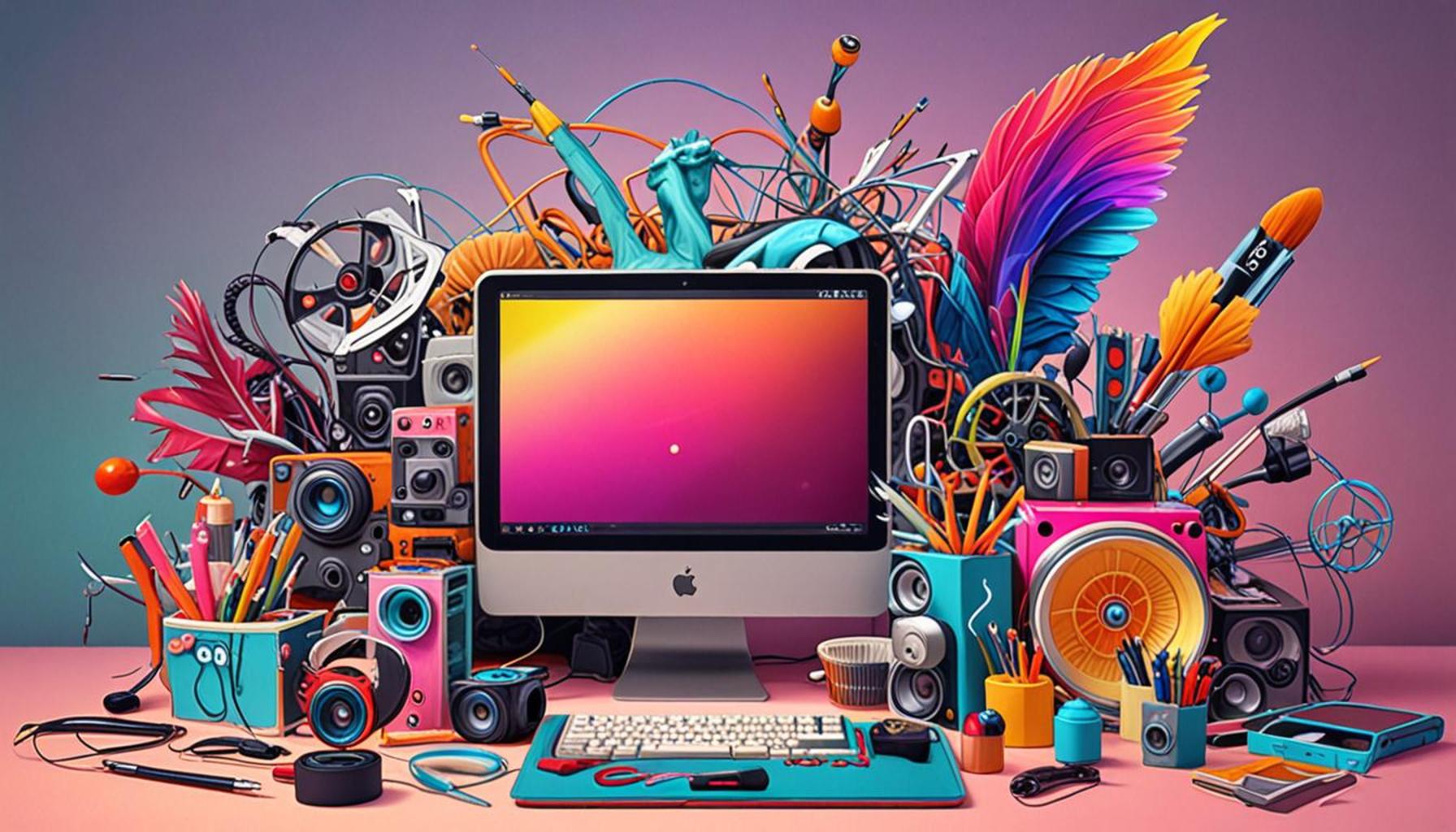
The Transformative Power of Technology in Design
The world of digital design has undergone a monumental transformation in recent years, driven predominantly by technological advancements. From the advent of personal computers to the rise of software that simplifies design processes, these changes have reshaped how we engage with our creative hobbies. Today, more than ever, anyone can unleash their ideas, share their visions, and connect with others creatively.
Accessibility: Opening Doors for All
Accessibility has become a cornerstone of modern design. Tools like Canva have made it easy for people without formal training to create stunning graphics and marketing materials. With user-friendly templates and drag-and-drop features, even novice users can navigate the design landscape. Adobe Creative Cloud has similarly expanded its user base by introducing subscription models, making advanced tools like Photoshop and Illustrator more affordable for individuals and small businesses. This accessibility encourages experimentation and allows everyone—from students to entrepreneurs—to express themselves artistically.
Collaboration: Bridging Distances
In today’s globalized world, collaboration is at the heart of innovation in design. Platforms like Figma and Behance allow designers from various backgrounds and locations to come together in a shared virtual space. Figma’s real-time editing capabilities enable teams to iterate on designs while receiving instant feedback, streamlining the creative process. Behance serves as a portfolio platform, showcasing projects that inspire and connect creatives across the globe. This collaborative spirit fosters a vibrant community, where ideas transcend geographical boundaries, leading to diverse and rich creative outputs.
Innovation: New Mediums of Expression
Innovation in technology has ushered in novel forms of artistic expression. Augmented Reality (AR) is adding an interactive layer to visual art, allowing viewers to engage with pieces in immersive ways. For instance, artists are now creating AR-enhanced murals that come to life through a smartphone app. Additionally, 3D printing has revolutionized how objects are designed and produced, enabling artists to transition from digital models to tangible forms seamlessly. Artists like Nick Ervinck are pushing these boundaries, creating intricate sculptures that marry technology with traditional craftsmanship.
Blending Traditional and Digital Practices
As we delve deeper into how technology continues to redefine our creative hobbies, it’s crucial to acknowledge its ripple effect on traditional art forms. There is a growing trend where artists are blending classic techniques with digital mediums. Painters, for example, are using digital tools for sketching and planning their works before applying paint on canvas. This fusion captivates audiences and brings a fresh perspective to time-honored practices, illustrating that the art world is evolving rather than diminishing.
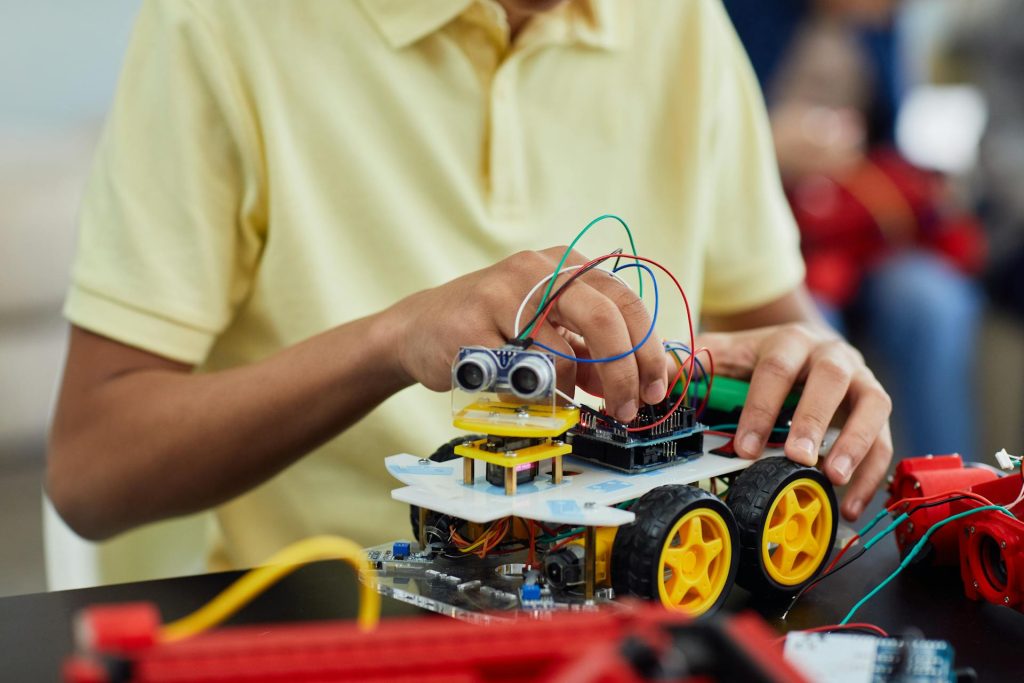
The Future: Exploring New Realms
Moreover, emerging trends like virtual reality (VR) design and interactive installations are pushing the boundaries of creativity. As artists experiment with these technologies, they invite not just seasoned professionals but also beginners to explore their artistic potential. VR allows users to step into an art piece, experiencing it from within and gaining perspectives that were previously unimaginable. Interactive installations at museums and galleries, where the audience becomes part of the artwork, are reimagining how art is experienced and engaged with.
Join us as we explore these trends and innovations, illuminating the fascinating journey of digital design’s evolution and its significance in our daily lives. The intersection of technology and creativity is a space ripe for exploration, promising exciting possibilities for the future of art and design.
DON’T MISS: Click here to enhance your sewing skills
Embracing Accessibility in Digital Design
The digital design landscape is rapidly becoming more accessible than ever before, breaking down barriers that once held back aspiring creatives. With the proliferation of user-friendly software and platforms, individuals with no formal design training can now confidently explore their artistic hobbies. Programs like Canva and Adobe Spark provide an array of templates, graphics, and drag-and-drop functionalities that empower users to create high-quality designs without having to master complex tools. This shift is significant, as studies indicate that 75% of people consider themselves creative, yet many feel deterred by the technical barriers traditionally associated with design.
DIY Creativity: From Hobby to Profession
This enhanced accessibility is not merely a passing trend; it’s a fundamental shift that allows people to transform their creative hobbies into professional careers. Consider the rise of self-made designers on social media platforms like Instagram and TikTok, where users showcase their talents and gain traction for their work. Many individuals have turned their passion for graphic design, photography, and illustration into full-time jobs, effectively blurring the lines between hobbyists and professionals.
Collaboration Transformed: A Global Network of Creatives
The evolution of digital design also underscores a significant shift toward collaboration. Tools like Figma, Miro, and Slack have revolutionized how designers work together, regardless of their geographic location. These platforms allow teams to share feedback instantaneously, fostering a culture of collaboration that was previously restricted to in-person sessions. As a result, innovative projects are frequently born from the collective input of diverse minds, leading to richer outcomes that might not emerge in more isolated working environments.
Emerging Technologies: Expanding Creative Horizons
The advent of emerging technologies, such as Augmented Reality (AR) and Virtual Reality (VR), is fundamentally transforming how we engage with design. AR is enabling designers to overlay digital images into the real world, offering interactive experiences that invite user participation. Major brands like IKEA have harnessed AR technology to help customers visualize furniture in their homes before making a purchase. VR goes a step further, allowing users to immerse themselves entirely in a digital space, transforming the perception of design from a flat experience to an engaging, three-dimensional journey.
Blending Art Forms: A New Wave of Creativity
The intersection of traditional art techniques and digital technology has sparked a wave of innovation that celebrates both history and modernity. Artists are increasingly incorporating digital components into their practices, such as using digital sketches as a foundation for physical paintings. This fusion not only breathes new life into established methods but also invites exploration and experimentation in ways previously thought unimaginable.
Inspiring a New Generation
As we navigate the evolution of digital design, it is evident that technology is inspiring a new generation of creatives. Schools and educational institutions are increasingly integrating digital art classes into their curriculums, preparing students to thrive in a future where design is an essential component of numerous industries. Young designers are embracing these opportunities, equipping themselves with the skills needed to adapt to an ever-changing creative landscape.
In the following sections, we will delve deeper into how these technological advancements are shaping our engagement with creative hobbies and fostering a sustainable ecosystem for innovation. Join us as we explore the exhilarating possibilities that lie ahead in the realm of digital design.
| Category | Key Features |
|---|---|
| Accessibility of Tools | Digital platforms like Canva and Adobe Spark provide user-friendly interfaces that empower amateurs and professionals alike to create stunning visuals without extensive design training. |
| Community Engagement | Online forums and social media groups enable hobbyists to showcase their work, receive feedback, and collaborate, significantly enriching the experience of digital design. |
As technology continues to evolve, innovative tools in digital design are expanding the horizons of creative hobbies. Resources such as 3D printing and virtual reality have transformed traditional crafting practices into dynamic experiences. Artists are no longer confined to physical mediums; they can express themselves through interactive and immersive digital art forms, which is reshaping the way creativity is perceived and engaged with.Moreover, the rise of artificial intelligence in design workflows is facilitating an unprecedented level of customization and personalization. Platforms that leverage AI can automatically adjust designs based on user preferences, enabling a unique creative process that adapts to the individual artist’s vision. This melding of technology and creativity is not only enhancing personal expression but is also stimulating a community of innovators pushing the boundary of what is possible in digital design. In addition, disruptive trends—such as the integration of augmented reality in marketing materials—are exemplifying how digital design is not just a personal hobby but a critical component of how brands interact with consumers. As a result, understanding these technologies is becoming essential for hobbyists who aspire to expand their skill sets and adapt to rapidly changing creative landscapes. These developments signify a profound shift in the landscape of creative hobbies, where passion meets technology, inviting endless exploration and innovation.
DISCOVER MORE: Click here to explore the evolution of digital design
Redefining Craftsmanship in the Digital Age
As technology continues to advance, craftsmanship is being redefined in unprecedented ways, allowing creators to push the boundaries of their artistic capabilities. Digital design not only makes it easier for creatives to produce refined outputs but also introduces methods that were previously unattainable. For instance, the use of sophisticated 3D modeling software like Blender and SketchUp empowers designers to create stunning visualizations that blur the lines between digital art and physical objects. These tools offer an opportunity to bring intricate ideas to life, showcasing an evolution in craftsmanship that incorporates both traditional art skills and modern technology.
AI and the Future of Design Creation
An equally fascinating aspect of this evolution is the rise of artificial intelligence (AI) in the creative process. AI-powered design tools such as Adobe Sensei and Daz 3D analyze user preferences and streamline design workflows. Some platforms even provide automated suggestions or generate designs based solely on a few inputs, drastically reducing the time taken for designers to realize their vision. AI also raises intriguing questions about authorship and creativity. If an AI can create art, what does that mean for human designers? This fusion of AI with human creativity holds potential for generating innovative ideas that enhance and inspire traditional design practices.
Interactive and Immersive Design Experiences
The integration of digital technology has led to the rise of interactive design, which connects audiences with creators in ways that were once deemed impossible. Websites and apps are no longer static pages; they are now immersive experiences that combine visuals, audio, and interactive features to engage users at an emotional level. For example, brands increasingly deploy interactive infographics and animations to inform and entertain consumers. According to a study by HubSpot, quality interactive content can lead to a 70% increase in engagement, emphasizing the profound effect of savvy design on audience connection. Through this interactive lens, the experience of art and design evolves, increasingly allowing for user participation and feedback.
Sustainability in Digital Design
Technology is also reshaping creativity through a focus on sustainability. Digital design offers a more responsible alternative to traditional processes. Designers can now visualize and simulate projects through virtual prototypes, minimizing waste associated with physical materials. Furthermore, digital design facilitates remote collaboration, reducing the need for travel and its associated carbon footprint. This focus on sustainability is not merely a trend; it reflects a growing commitment to ethical creativity. Initiatives such as the Sustainable Design Movement highlight how designers can embrace eco-conscious techniques while leveraging technology to explore creative solutions to global challenges.
The Role of Social Media as a Creative Catalyst
With the advent of social media, the creative landscape has been transformed into a vibrant and interconnected forum that fuels inspiration and collaboration. Platforms such as Behance and Dribbble allow artists to share their work with a global audience, receive feedback, and even collaborate on projects. This accessibility has birthed a new kind of “social proof,” where creativity can blossom in a community rather than just isolated studios. Moreover, trends can emerge and evolve rapidly in this digital ecosystem, as creators respond to current events or cultural changes, leading to a dynamism that was previously unseen in the traditional creative process.
As we continue exploring the outcomes of these advancements in digital design, one thing becomes clear: the impact of technology on our creative hobbies is not just profound; it is reshaping the very essence of how we create, collaborate, and connect. The future holds exciting potential for creatives ready to embrace these changes.
EXPLORE MORE: Click here to unlock your creativity
Conclusion: Embracing the Future of Digital Design
As we delve into the transformative journey of digital design, it is evident that technology is not only enhancing our creative hobbies but also redefining our very understanding of artistry and craftsmanship. The tools we have at our disposal today—from advanced 3D modeling software to AI-driven design assistants—empower individuals to explore new realms of creativity that were unimaginable mere decades ago. This evolution signifies a shift in how creativity manifests, blending traditional techniques with innovative digital methods.
Moreover, the role of interactivity and immersion in design is opening doors for unprecedented audience engagement, allowing creators to foster deeper connections with their work. As we witness the rise of digital platforms and social media, the collaborative nature of creativity becomes apparent, offering a space for idea exchange and inspiration that transcends geographical boundaries.
Perhaps one of the most crucial elements of this evolution is the focus on sustainability. With digital design encouraging eco-conscious practices, creatives now have the opportunity to innovate while being mindful of their environmental footprint. This commitment to responsible creativity not only serves current needs but also sets a precedent for future generations.
Ultimately, the world of digital design is an ever-evolving landscape rich with opportunities for those who dare to explore and innovate. As technology continues to advance, so too will our creative expressions, challenging us to push the limits of what is possible. By embracing these changes, we can harness the power of technology to revolutionize our hobbies and inspire a new wave of artistic brilliance.
Related posts:
Free Tools and Software for Beginners in Digital Design: Tips and Resources
The Influence of Digital Design on Fashion: Creating Unique Styles for Creative Hobbies
Digital Design and Entrepreneurship: How to Create an Impactful Visual Brand
Exploring Digital Painting: Techniques and Styles for Amateur Artists
Practical Tips for Beginners in Digital Design: Essential Tools and Techniques
Exploring the Impact of Digital Design Tools on Personal Creativity
Linda Carter is a writer and creative hobbies expert specializing in crafting, DIY projects, and artistic exploration. With extensive experience helping individuals discover their creative potential and bring their ideas to life, Linda shares her knowledge on our platform. Her goal is to empower readers with practical tips, inspiring ideas, and step-by-step strategies for success in the world of creative hobbies.