The Evolution of Digital Design: How Technology is Transforming Creativity
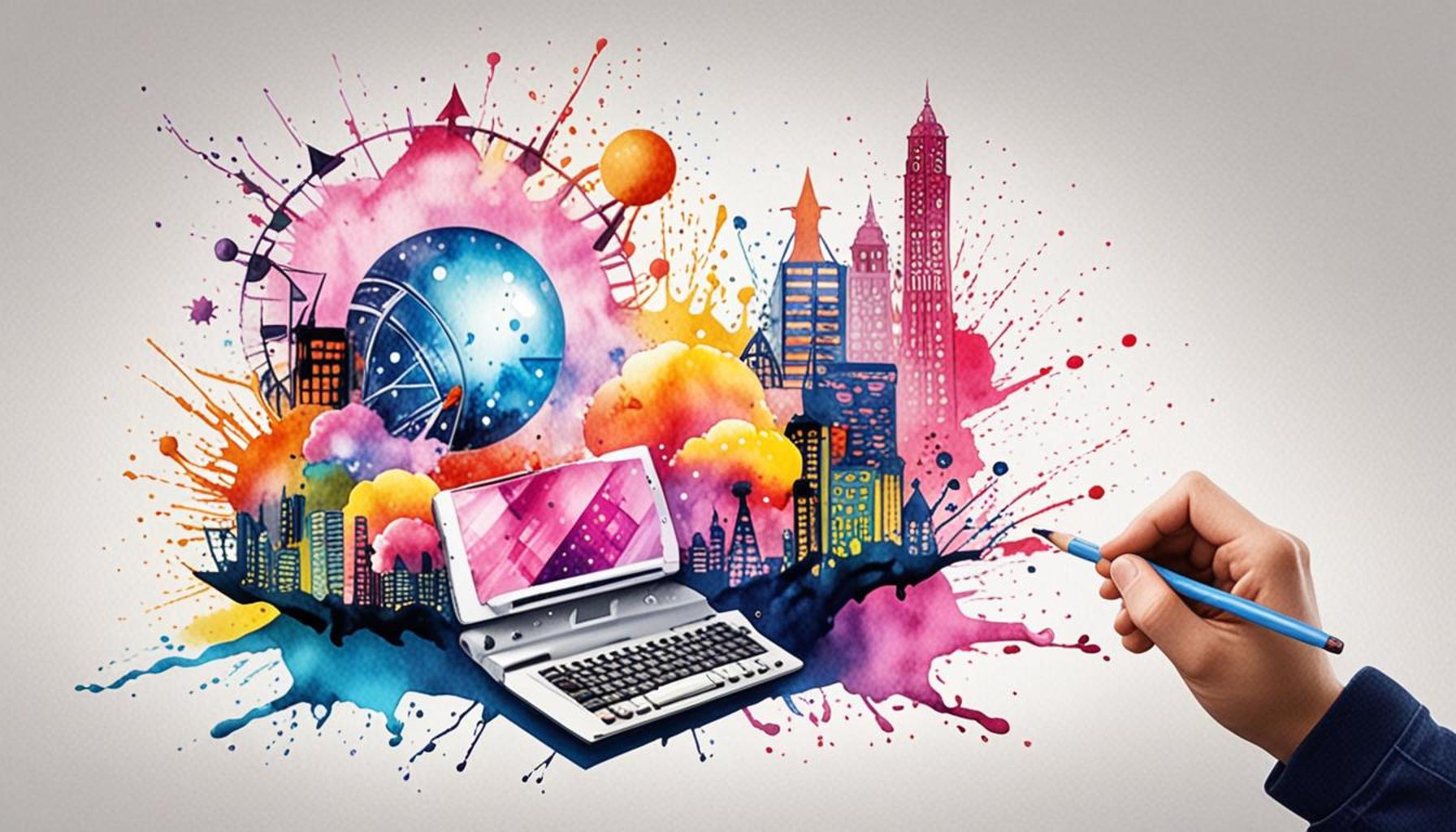
The Impact of Technological Innovations on Digital Design
Over the last decade, the transformation in digital design cannot be overstated. With technology evolving at breakneck speed, designers are finding themselves in a landscape ripe with opportunities, enabling them to explore creative avenues that were previously unattainable. This exploration brings forth an intricate synergy between advanced tools and the limitless boundaries of artistic expression.
One of the most significant catalysts in this transformation is Artificial Intelligence. Platforms like Adobe Sensei utilize AI to automate tedious tasks, providing designers with more time to focus on innovation and creativity. For instance, Adobe Sensei can analyze design patterns and suggest alterations or enhancements that a designer may not have considered. Similarly, Canva’s Magic Resize feature allows users to quickly adapt designs for various formats and platforms, ultimately saving numerous hours of work and fostering creative experimentation.
Immersive Technologies
Another innovative leap in the realm of digital design is facilitated by Virtual and Augmented Reality (VR and AR). These technologies are revolutionizing user experiences, allowing designers to create immersive environments that captivate audiences. For example, companies like IKEA use AR to allow customers to visualize furniture within their own spaces before making a purchase. This not only enhances user engagement but also bridges the gap between digital interfaces and the physical world, creating a compelling narrative that resonates with consumers.
Mobile-First and Responsive Design
The shift towards responsive design highlights the necessity of accommodating an increasingly mobile-oriented society. By adopting mobile-first strategies, designers ensure that their work is adaptable to a variety of devices, from smartphones to large desktop screens. This responsiveness is especially important in a country like the United States, where mobile internet usage continues to rise, with estimates suggesting that nearly 54% of all web traffic now comes from mobile devices. Effective responsive design maintains functionality and visual appeal, significantly improving user experience across platforms.
Democratization of Design
Furthermore, the accessibility of sophisticated design tools has democratized the creative process. Software that was once limited to large firms is now available to individuals and small businesses at reduced costs. This newfound accessibility is yielding increased diversity in the digital design landscape, with a broader array of voices contributing to visual culture. The result is a rich tapestry of creativity, showcasing varying perspectives that were rarely seen before in mainstream channels.
Another pivotal aspect influenced by this democratization is rapid prototyping. Designers can now create, test, and iterate ideas at lightning speed, facilitating a culture of experimentation. Tools like Figma and Sketch allow teams to collaborate in real-time, leading to more innovative solutions and refined end products. This can be particularly advantageous in fast-paced industries, where faster turnaround times are crucial to staying relevant.
In this evolving landscape, global collaboration plays a significant role. Designers from various corners of the world can come together, merging their skills and perspectives seamlessly. This multidisciplinary approach fosters groundbreaking ideas and solutions that showcase a diverse array of experiences, ultimately enriching the field of design.
As we examine the trajectory of digital design, it becomes clear that the interplay between technology and creativity is reshaping the very essence of how designs are conceived and executed. It challenges traditional norms and opens up a plethora of possibilities, encouraging creators to innovate and explore uncharted territories.
EXPLORE MORE: Click here to unlock your creative potential
The Intersection of Technology and Artistic Expression
The ever-changing landscape of digital design is significantly influenced by emerging technologies that continue to redefine how creativity is expressed. The integration of innovative tools has not only altered the way designers work but has also transformed the very concept of creativity itself. As we delve into the various facets of this transformation, it becomes evident that technology and artistry have become intertwined in ways that enhance not just the aesthetic appeal but also the functionality of digital creations.
Enhanced Creative Tools
First and foremost, the advent of advanced software and hardware tools has revolutionized the design process, allowing for greater precision and creativity. Tools such as Adobe Creative Cloud and CorelDRAW have made it easier for designers to generate complex graphics, layouts, and illustrations. These platforms offer a plethora of functionalities that enable designers to:
- Streamline workflows: Automation features and shortcuts minimize repetitive tasks, allowing designers to concentrate on the creative aspects of their projects.
- Experiment with styles: With a wide array of brushes, textures, and effects, designers can explore various aesthetic avenues effortlessly.
- Integrate multimedia elements: The ability to combine visual and audio components opens doors to new storytelling techniques that engage audiences in innovative ways.
Moreover, the rise of cloud-based collaboration tools has further enhanced the creative process. Platforms such as InVision and Zeplin facilitate seamless feedback and communication among team members, allowing for rapid iterations and collective brainstorming. This collaborative environment encourages diverse ideas to emerge, paving the way for more enriched digital designs that appeal to broader audiences.
Data-Driven Design Decisions
Another significant dimension reshaping digital design is the incorporation of data analytics. By analyzing user behavior and preferences, designers can make informed decisions that directly enhance user experience. Tools such as Google Analytics provide insights into how users interact with designs, helping creators refine their work based on real feedback. This data-driven approach allows for:
- Targeted design strategies: Understanding demographics enables designers to tailor their work to meet specific audience needs.
- Enhanced usability: Analyzing user engagement metrics helps simplify navigation and improve site functionality.
- Effective A/B testing: Designers can test different versions of a design, ensuring that the final product resonates best with the audience.
The integration of data not only streamlines the design process but also bolsters the effectiveness of digital solutions, ensuring they are not just visually appealing but truly functional.
Conclusion of Technological Impact
As technological advancements continue to permeate the design landscape, the boundaries of creativity are being pushed further than ever before. By embracing the capabilities of modern tools and translating data into actionable insights, designers are equipped to craft impactful and engaging experiences. This evolution marks a pivotal moment in the digital design industry, one where the fusion of technology and creativity results in extraordinary possibilities.
The Evolution of Digital Design: How Technology is Transforming Creativity
As we delve further into the impact of technology on digital design, it’s essential to recognize the transformative tools that are redefining creativity. One of the most significant game-changers has been the rise of cloud-based design applications. These applications not only allow for real-time collaboration among designers across the globe but also seamlessly integrate various multimedia elements, enhancing the overall design experience. The ability to share files, feedback, and iterations within a singular platform dramatically accelerates the creative process and promotes innovative collaboration.
Furthermore, the integration of Artificial Intelligence (AI) into design workflows is not merely a trend; it’s a significant shift. AI-powered tools can analyze design patterns, suggest improvements, and automate repetitive tasks, freeing creatives to focus on higher-level concepts and unique ideas. This technology elevates human creativity by serving as both an assistant and a brainstorming partner, ensuring more effective design outcomes.
In the realm of user experience (UX), advancements in virtual reality (VR) and augmented reality (AR) are ushering in new dimensions of interaction. Designers can now create immersive experiences that engage users on a deeper level, allowing for storytelling that transcends traditional visual boundaries. The potential for VR and AR applications in various industries—from gaming to education—shows just how expansive the future of digital design can be.
| Category | Description |
|---|---|
| Cloud-Based Design Tools | Enable real-time collaboration and streamline workflow. |
| Artificial Intelligence | Automates tasks and enhances creativity through suggestions. |
| Virtual and Augmented Reality | Create immersive experiences that change user engagement. |
The convergence of these technologies signifies more than just a shift in techniques; it represents an evolution of thought in the design industry. As designers embrace these changes, they are not only redefining their craft but also setting new standards for creativity and innovation. Staying updated with the latest technological advancements will empower designers to push boundaries and explore uncharted territories, propelling the field of digital design into an exciting future.
DISCOVER MORE: Click here to explore the evolution of digital design
Beyond the Screen: The Emergence of New Mediums
The evolution of digital design is not confined solely to traditional platforms; rather, it extends into a myriad of mediums that challenge the conventional boundaries of creativity. Emerging technologies such as augmented reality (AR), virtual reality (VR), and 3D printing are opening up exciting avenues for designers to explore. This proliferation of new tools is not only enhancing the aesthetics of designs but also reimagining how audiences interact with creative content.
Augmented and Virtual Reality Experiences
The integration of AR and VR technologies is revolutionizing the way users experience design. Designers are increasingly creating immersive environments that engage users on a sensory level, fostering a deeper connection with the subject matter. For example, brands are utilizing AR to allow customers to visualize products in their own space before making a purchase decision, as seen with furniture retailers like IKEA. This technology facilitates:
- Interactive experiences: Users can manipulate 3D models and see how they fit within their personal contexts, driving informed decision-making.
- Enhanced storytelling: Creators can design narratives that transcend physical limitations, providing audiences with rich, multi-layered experiences.
- Increased engagement: With the ability to interact with elements in a digital space, users are likely to spend more time with content, resulting in higher retention rates.
As VR becomes more mainstream, experiences that were once fantasy are now part of the digital design toolkit, paving the way for a new form of artistic expression that actively involves the viewer in the narrative.
The Impact of 3D Printing on Design
Another transformative aspect of digital design comes from the rise of 3D printing. This technology allows designers to create tangible objects from digital models, bridging the gap between the virtual and physical worlds. Industries from fashion to architecture are leveraging 3D printing to produce everything from custom prototypes to complex architectural structures. The advantages include:
- Rapid prototyping: Designers can quickly iterate on their ideas, leading to refined products without the lengthy delays of traditional manufacturing processes.
- Sustainability: 3D printing often utilizes materials more efficiently, allowing designers to minimize waste and create eco-friendly alternatives.
- Customization: With the ability to tailor designs to individual needs, users are investing in unique pieces that resonate with their personal style.
This convergence of digital and physical design philosophies exemplifies how technology is enabling creativity across disciplines, challenging designers to think beyond conventional practices.
The Role of Artificial Intelligence in Design
Alongside these technologies, the growing influence of artificial intelligence (AI) on digital design cannot be overlooked. AI-powered tools such as DALL-E and Adobe Sensei are enhancing the creative process by automating repetitive tasks and generating design suggestions based on user preferences. This evolution in AI impacts creativity through:
- Concept generation: AI can analyze vast datasets and identify emerging design trends, aiding designers in formulating ideas that align with current market demands.
- Personalization: By using machine learning algorithms, AI can create bespoke designs suited for individual users, making the design experience more relevant and engaging.
- Efficiency: Automating mundane tasks allows designers to allocate more time to ideation and conceptualization, encouraging innovative practices.
The collaboration between human creativity and AI signifies a new era of design that not only increases productivity but also fosters endless exploration of imaginative concepts that were once considered unattainable.
DISCOVER MORE: Click here to learn how music enhances well-being
Conclusion: Embracing the Future of Digital Design
The journey of digital design has reached an exciting juncture, where the fusion of technology and creativity is reshaping industries and inspiring innovative approaches. As we’ve explored, the advent of augmented reality (AR) and virtual reality (VR) expands the canvas beyond the traditional screen, enabling immersive experiences that captivate users in ways previously unimaginable. These mediums allow designers to create narratives that resonate on a deeper emotional level while breaking spatial limitations.
Moreover, the rise of 3D printing adds a tangible aspect to the digital landscape, transforming ideas into physical realities. This technology not only accelerates design processes through rapid prototyping but also promotes sustainability and personalization, meeting the diverse preferences of users. In parallel, the integration of artificial intelligence (AI) is revolutionizing creativity, automating tasks to enhance efficiency and generating insights that can guide designers towards trends and innovations that align with modern demands.
These advancements serve as a testament to the ever-evolving nature of digital design. As we continue to witness this transformation, it is crucial for designers to stay adaptable and embrace new technologies as they emerge. The future holds infinite possibilities, where creativity knows no boundaries, and the fusion of human ingenuity with technology pushes the limits of what can be achieved. Ultimately, the evolution of digital design symbolizes a larger movement within society: one that embraces progress, innovation, and the endless pursuit of inspiration. For designers, the challenge lies in harnessing these tools to craft compelling narratives that not only communicate but also connect with audiences in profound ways.
Linda Carter is a writer and creative hobbies expert specializing in crafting, DIY projects, and artistic exploration. With extensive experience helping individuals discover their creative potential and bring their ideas to life, Linda shares her knowledge on our platform. Her goal is to empower readers with practical tips, inspiring ideas, and step-by-step strategies for success in the world of creative hobbies.