The Evolution of Abstract Painting Art Reflecting Social Change
The Intersection of Art and Society
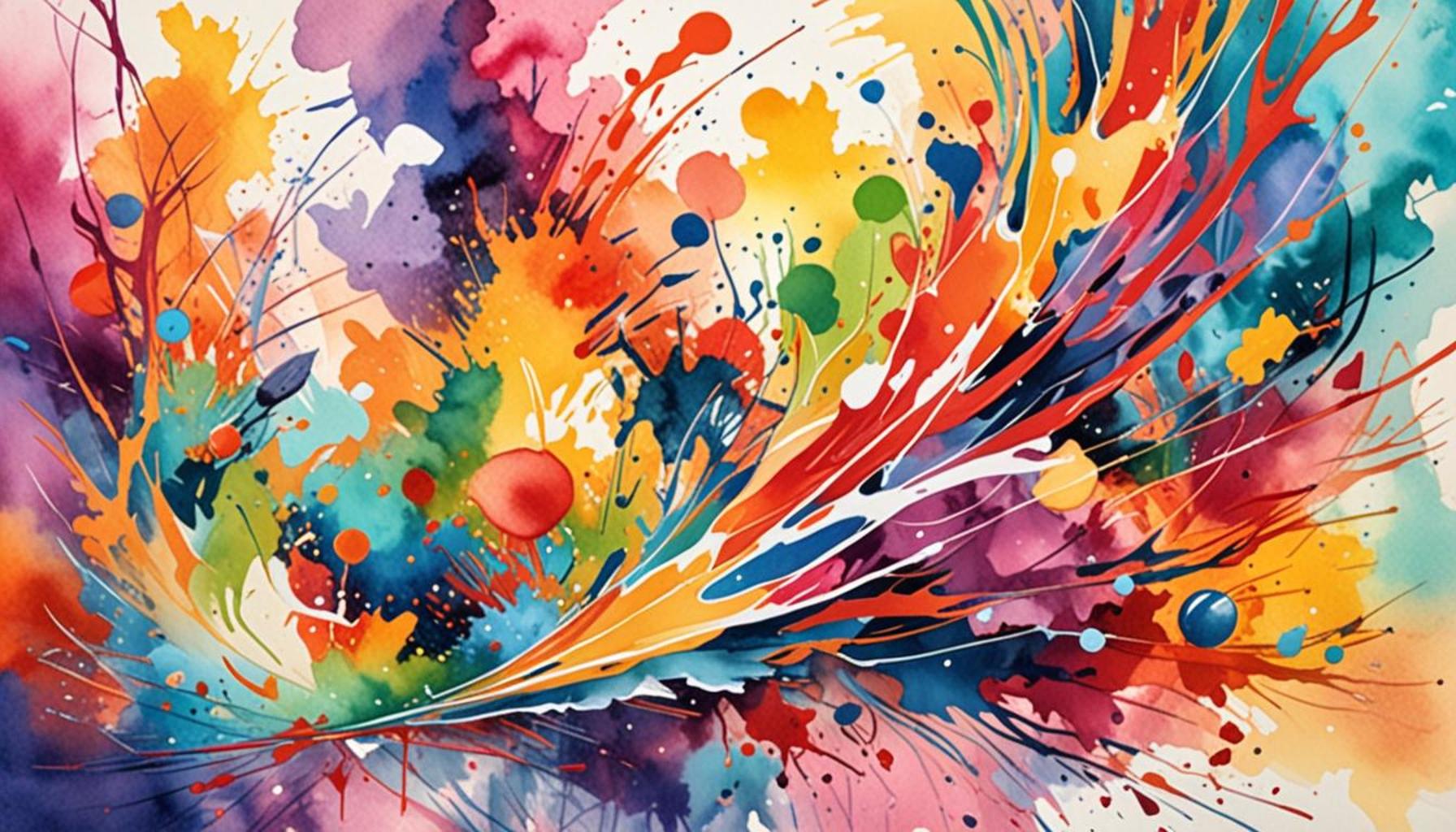
Abstract painting has long served as a mirror to the zeitgeist of its time, capturing the nuances of social change through color, form, and texture. As new movements emerge, they often reflect the shifts in cultural sentiments and societal values, making this art form a vital vehicle for understanding our collective history.
Why It Matters
Engaging in creative hobbies like painting can foster personal expression, mental well-being, and community connection. Thus, exploring how abstract painting illustrates evolving social landscapes not only enriches our appreciation for the arts but also deepens our awareness of the world around us.
What’s Ahead
In this article, we will examine the top 5 pivotal movements in abstract painting that highlight significant societal shifts. Prepare to delve into a realm where creativity intertwines with the fabric of social identity and change.
The Evolution of Abstract Painting: How Artistic Expression Mirrors Social Change
The art world has continuously served as a reflective surface, capturing the essence of societal complexities, and abstract painting remarkably encapsulates this phenomenon. Over the decades, abstract painting has undergone significant transformations, propelled by both artistic innovation and the social revolutions shaping our world. This article explores five critical milestones in the evolution of abstract painting, illustrating how artistic expression has dovetailed with societal dynamics.
5. The Birth of Modernism: A Shift in Perspectives
The roots of abstract painting are deeply intertwined with the Modernism movement, emerging in the late 19th and early 20th centuries. Artists such as Wassily Kandinsky and Piet Mondrian pioneered the use of abstraction to express emotions and ideas beyond the confines of realism. This era marked a decisive break from traditionalism, encapsulating the societal upheaval catalyzed by industrialization and world wars.
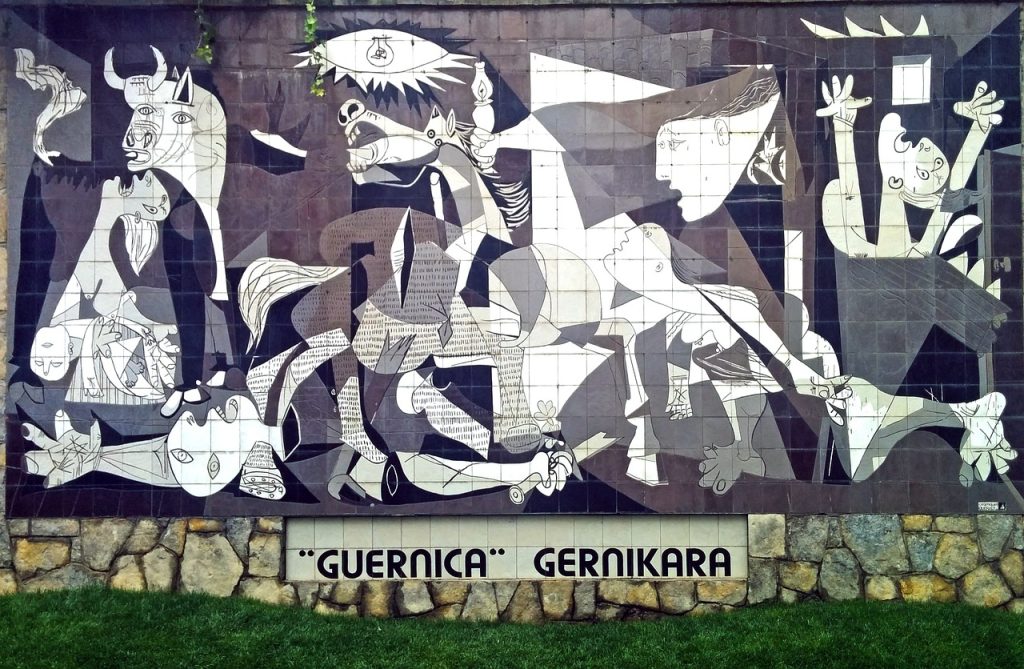
Modernism emphasized the departure from established norms, stimulating creativity and innovation among artists. In this transformative period, abstract painting began to gain legitimacy as a meaningful art form. Artists engaged in bold experimentation with color, form, and composition, intending to convey complex meanings tied to evolving societal attitudes regarding technology, politics, and human experience. Through these artworks, audiences were prompted to explore profound interpretations of visual language, signifying a shift in how societal changes were artistically explored.
4. Expressionism: Emotion Meets Abstraction
During the early 20th century, the German Expressionist movement emerged and significantly impacted abstract painting. Artists like Emil Nolde and Ernst Ludwig Kirchner imbued their works with fierce emotions and vivid colors. Their intention extended beyond mere representation; they sought to penetrate the psychological depths of the human condition, reflecting the disarray of significant world events, particularly World War I.
Expressionism introduced a novel avenue for artists to navigate the emotional and chaotic tenor of their time, reflecting hopes, fears, and societal unrest. As a movement, it resonated deeply with the public, offering a canvas through which audiences could explore their personal emotions and experiences. By casting emotion-driven shadows on society’s landscape, Expressionism set the groundwork for ensuing abstract movements, accentuating the emotive undercurrents knitted into the fabric of social change.
3. The Rise of Abstract Expressionism: Personal Freedom
In the mid-20th century, Abstract Expressionism emerged, forging a profound convergence between art and social discourse. Figures like Jackson Pollock and Mark Rothko defied conventional forms, transforming their artworks into reflections of the artist’s internal state, embodying a defiance of traditional values and embracing creative spontaneity.
This art movement synchronized with the cultural oscillations of the post-World War II era, marked by a quest for identity, liberty, and purpose. Art making turned into a politicized act, as artists repudiated societal restrictions. In response, abstract expressionism offered viewers an intimate realm within which to engage with art emotionally, echoing the transformative zeitgeist pervading society. The radical departure from representation underscored an era marked by a desire for personal and artistic liberation.
2. Minimalism: Reduction as Reflection
As the 1960s dawned, Minimalism emerged, contesting the foundational principles laid by Abstract Expressionism. Artists like Donald Judd and Agnes Martin adopted a philosophy of “less is more,” emphasizing simplicity and the essence of form. This movement reflected a broader societal shift—growing disillusionment with excess and consumerism.
Minimalism, deeply intertwined with trends in architecture and design, resonated with a public yearning for honesty and authenticity. Art transitioned into an experience rather than merely an object. This streamlined aesthetic encouraged viewers to engage introspectively, contemplating their environment. This minimalist approach marked a pivotal transformation in how abstract painting communicated with society, shifting focus towards individual perception and interaction rather than elaborate complexity.
1. Contemporary Abstraction: A Global Vista
Today, contemporary abstract painting is a vibrant tapestry interwoven with global voices, integrating diverse cultural influences and capturing the interconnectedness of the modern world. Artists such as Yayoi Kusama and Julie Mehretu craft unique narratives addressing identity, globalization, and activism, employing abstract elements to underscore their messages. This integration reflects responses to social issues, symbolizing society’s intricate dynamics involving race, gender, and economic systems.
Furthermore, contemporary abstraction encourages interdisciplinary collaboration, blending technology, performance, and installation art. This openness invites participatory engagement, transforming viewers from passive onlookers to active participants in the artistic dialogue. As society continually evolves, so does abstract painting, perpetually adapting and providing a reflective lens through which we examine contemporary life.
In conclusion, the evolution of abstract painting is a testament to the dynamic relationship between art and societal change. As we progress through historical and contemporary vistas, abstract art remains a medium for reflection, an expression of human experience amid the fluctuating tides of social evolution.
The journey through the world of abstract painting unveils a tapestry woven from artistic innovation and social evolution. As we delve deeper, it becomes evident that abstract art not only represents aesthetic experimentation but also mirrors the changing dynamics of society. Artists throughout history have harnessed the power of abstraction to express the complexities of the human experience, bringing forth emotive responses and societal reflections.One of the most significant periods in the evolution of abstract art occurred during the post-World War II era. This period was characterized by a profound existential crisis as artists grappled with the horrors of conflict while seeking new forms of expression. The emergence of Abstract Expressionism, led by figures like Jackson Pollock and Mark Rothko, was pivotal. Their works emphasized the act of painting itself, utilizing spontaneous techniques that echoed the chaos and emotional strife of the time. These artists moved away from traditional forms and subject matter, focusing instead on conveying inner feelings and a sense of liberation. As the world struggled to redefine itself, abstract art became a vessel for societal introspection, reflecting the urgency of personal and collective dialogue.Furthermore, the shift towards minimalism in the 1960s provided another lens through which to view social change. Artists like Donald Judd and Agnes Martin distanced themselves from emotional fervor, opting for simplicity and purity in form. This movement can be interpreted as a reaction to the complexities and material excess of contemporary life, signaling a desire for clarity and directness amid growing consumerism. Minimalism questioned the status quo and aligned with the countercultural movements of the time, mirroring society’s yearning for authenticity and deeper meaning.As abstract art continued to evolve, it began to embrace new materials and technologies, paving the way for contemporary practices. Digital art emerged as a significant force, radically altering the landscape of artistic expression. Today, artists utilize software and digital platforms to create abstract works that engage with themes of technology and internationalism. The incorporation of digital media allows for a global exchange of ideas, breaking barriers and enabling artists to reflect on a shared human experience that transcends geographic and cultural contexts. This evolution not only showcases the adaptability of abstract art but also illustrates how it serves as a vital commentary on current global issues, including identity politics, globalization, and environmental concerns.In the realm of contemporary abstract art, inclusivity and diversity have gained prominence, allowing voices from various backgrounds to contribute to the narrative. Artists from different cultures and communities are redefining abstraction, infusing their work with stories and perspectives that resonate with today’s societal landscape. This shift towards representation highlights the idea that abstract art, while often perceived as a departure from reality, is deeply connected to the richness of lived experiences across diverse demographics.The ongoing dialogue between abstract art and social transformation reveals an intricate relationship steeped in meaning and significance. As we explore this dynamic, it becomes apparent that abstract painting transcends mere aesthetics; it stands as a powerful reflection of our collective consciousness, urging society to confront its past while inspiring hope for the future. Through the lens of abstract expression, we are invited to not only witness history but to engage with the profound questions that arise in the wake of change.
Frequently Asked Questions about the Evolution of Abstract Painting
How did abstract painting emerge as a distinct style in the art world?
Abstract painting emerged in the early 20th century as artists began to experiment beyond traditional representation. Pioneers like Wassily Kandinsky and Kazimir Malevich sought to explore the emotions and ideas that could be conveyed through color, form, and line. The movement was also a response to the rapid technological and social changes occurring during that era, as artists expressed their perceptions in non-representational forms.
What role did social change play in the development of abstract art?
Social change has been a significant catalyst for the development of abstract art. Historical events such as the World Wars and the rise of new ideologies forced artists to re-evaluate the purpose and methods of art. Abstract art became a medium through which they could communicate complex ideas and emotions, reflecting society’s evolving values and challenges without relying on traditional symbolism.
Which major art movements contributed to the rise of abstract painting?
The rise of abstract painting was influenced by several major art movements. Impressionism broke the focus on realism, while Cubism deconstructed subjects into geometric shapes. Expressionism encouraged artists to convey emotional experiences rather than physical reality, paving the way for abstract art to flourish as a form of personal and social expression. These movements collectively emphasized a shift from representational art to more conceptual approaches.
How has the perception of abstract art changed over the years?
Initially, abstract art was met with skepticism, as it deviated from conventional art forms. Over time, however, it has gained recognition as a profound way to express the inexpressible. The perception of abstract art has evolved, with critics and audiences understanding it as a reflection of inner thoughts and societal influences. Today, it holds a significant place in art history as a symbol of cultural and philosophical exploration.
Why do people often find abstract art difficult to understand?
People often find abstract art difficult to understand because it doesn’t depict clear, recognizable subjects. The lack of concrete imagery can leave viewers searching for meaning. However, abstract art invites personal interpretation, challenging viewers to engage with their own emotions and experiences. It shifts the focus from understanding what is seen to experiencing what is felt, making it both intriguing and enigmatic.
Conclusion: The Dynamic Dance of Abstract Art and Society
As we journey through the history of abstract painting, it becomes evident that this form of artistic expression is more than just a visual experience; it is a powerful mirror reflecting the shifts in societal paradigms. Abstract art, by its very nature, eschews rigid confines and traditional forms, allowing for a profound exploration of human emotion and contemporary issues.
The evolution of abstract painting has intricately woven itself into the fabric of societal change. From its inception as a rebellion against conventional art in the early 20th century, to its role during socio-political upheavals, abstract art has continually adapted and transformed, responding to the call of the times. This fluidity not only highlights the enduring relevance of abstract art but underscores its capacity to challenge perceptions and spark dialogues about the human condition.
In the context of creative hobbies, abstract painting offers a liberated space for individuals to express themselves without adherence to strict rules. This aspect of personal exploration and creativity in abstract art resonates with the evolving societal embrace of individualism and emotional authenticity. Artists and hobbyists alike find solace in the boundless potential that abstract art promises, reinforcing its importance as a creative outlet.
In summary, the evolution of abstract painting not only chronicles the impact of socio-historical movements but also enriches our understanding of art as a dynamic dialogue with society. As we continue to explore this vibrant art form, let us remain curious and open to how these expressions could potentially shape, or be shaped by, future societal changes. The dance between abstract art and society is far from over, and it beckons us to ponder new questions and discover new horizons in the realm of art and beyond.

Linda Carter is a writer and creative hobbies expert specializing in crafting, DIY projects, and artistic exploration. With extensive experience helping individuals discover their creative potential and bring their ideas to life, Linda shares her knowledge on our platform. Her goal is to empower readers with practical tips, inspiring ideas, and step-by-step strategies for success in the world of creative hobbies.