The Art of Photography as a Form of Personal Narrative: Capturing Emotions and Moments
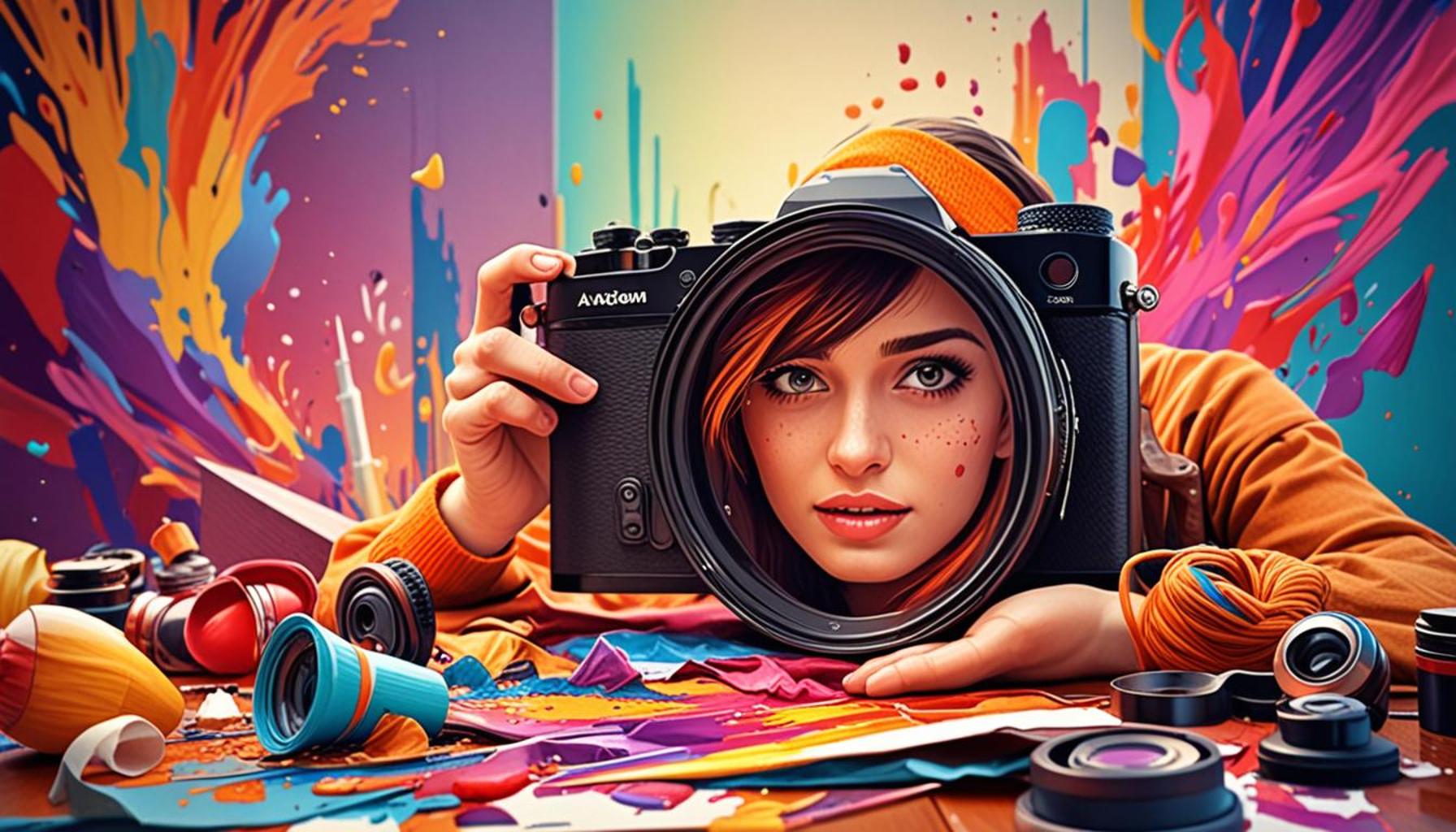
Exploring Personal Narratives Through Photography
Photography transcends mere image capture; it weaves personal stories into every frame. Every click of the shutter can evoke emotions and immortalize fleeting moments. This visual art form serves as a powerful medium for storytelling, allowing individuals to express their lived experiences in ways that words alone often cannot. The significance of photography as a personal narrative can be highlighted by several key features:
- Emotion Capture: Photos can encapsulate deep feelings, from joy at a wedding to sorrow during a farewell. For instance, a candid shot of a child laughing can evoke nostalgia and happiness, while a photo depicting a solitary figure against a gray backdrop might resonate with experiences of loss or contemplation. These emotions are universal, allowing viewers to connect with the photograph on a personal level.
- Moment Preservation: Each photograph freezes a moment in time, reminding us of past experiences. This is especially relevant in a fast-paced world where moments often slip by unnoticed. A family portrait taken during a holiday gathering can later serve as a visual reminder of those cherished days spent together, fostering feelings of warmth and unity long after the occasion has passed.
- Unique Perspectives: Different lenses reveal varied viewpoints, showcasing individual interpretations of reality. For example, a landscape photograph taken at sunrise might highlight the natural beauty of a location, while a more abstract representation could reflect the photographer’s emotional journey or thoughts about that same scene. The subjective nature of photography allows for a multitude of stories to be told, depending on whose lens is capturing the view.
As technology advances, photography becomes even more accessible, transforming it into a unique tool for self-expression. With the proliferation of smartphones, everyone, regardless of skill level, can document their lives and share their stories visually. Applications like Instagram have made it easy for people to connect with audiences around the world, turning everyday snapshots into global dialogues. In the United States, this democratization of photo-sharing has changed how we engage with our personal narratives—no longer are stories confined to photo albums or personal archives; they are now broadcasted and shared in real-time.
Ultimately, photography invites us to explore and reflect on our personal and collective identities. As we delve deeper into this art form, we uncover not only our stories but also our connections to others. Through the lens of a camera, we confront questions about who we are and how we relate to the world around us, peeling back layers of experience that contribute to our understanding of self and community. Understanding the intersection of art and narrative is a journey worth embarking on, as it broadens our perspective and deepens our empathy for the stories that others share.
DISCOVER MORE: Click here to learn about the role of performing arts in mental health
The Transformative Power of Photography in Storytelling
Photography serves as an extraordinary vessel for capturing the essence of human experience. With each image taken, stories unfold, providing a glimpse into the myriad emotions that shape our lives. When we delve into the intricacies of photography as a personal narrative, we find that it not only captures moments but also layers them with meaning. This interplay between image and emotion creates a rich tapestry that connects individuals to their memories and to those around them.
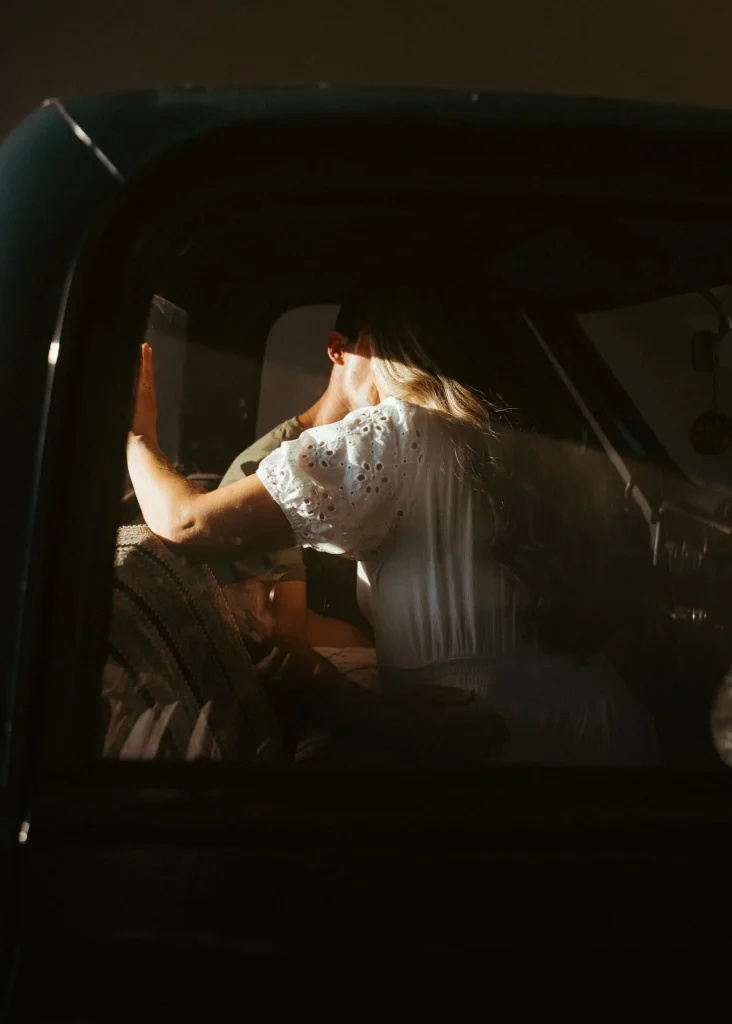
One of the most striking aspects of photography is its ability to evoke emotions that can transcend time and culture. An image of a crowded celebration can stir feelings of joy and connection, while a solitary street scene may conjure feelings of introspection and melancholy. Studies have shown that visual imagery has a profound impact on our emotional state, often triggering memories and feelings that might otherwise remain dormant. This emotional connection is vital to understanding the narratives that photographers wish to tell.
The importance of context in photography cannot be understated. Consider how the surrounding environment affects the narrative conveyed through an image. A photograph of a family enjoying a picnic can be interpreted in various ways depending on the background: a sun-drenched park might signify leisure and happiness, while an overcast day may evoke the fragility of joy amidst uncertainty. Such nuances allow photographers to carefully curate the stories they wish to share, making decisions about composition, lighting, and framing that all contribute to the overarching narrative. These elements transform a seemingly simple image into a profound story woven with aspirations, heartbreaks, and aspirations.
Personal Narratives: Typologies in Photography
Photographers often gravitate toward particular themes that resonate with their personal experiences or societal issues. This thematic approach to visual storytelling can be categorized into several typologies:
- Documentary Photography: This type of photography captures real-life events and locations, often aiming to tell a story about a community, historical event, or social issue. Through their lens, documentary photographers advocate for social justice by shedding light on underrepresented narratives.
- Self-Portraiture: Using their own image as a canvas, photographers reveal their personal stories and introspections. This form of storytelling often explores identity, allowing for an intimate exploration of self through visual representation.
- Conceptual Photography: In this approach, photographers create visual narratives that are meant to convey a specific idea or message. Through symbolism and metaphor, they challenge viewers to think critically about the themes presented, leading to a deeper understanding of personal and collective experiences.
- Travel Photography: This genre not only captures breathtaking landscapes but also illustrates the cultural and emotional narratives associated with places. A photograph of a bustling market can evoke feelings of adventure, curiosity, and even nostalgia, connecting the viewer to experiences far beyond their immediate context.
The beauty of photography lies in its ability to convey these various narratives, drawing viewers into the emotional landscape of the subject matter. As we explore photography’s role in personal storytelling, we embrace the complexity of human emotions and the interconnected relationships woven through every captured moment. Each photograph challenges us to reflect on our own experiences while fostering empathy towards the narratives of others.
The Transformative Power of Personal Narrative in Photography
Photography serves not only as a means to preserve memories but also as a rich narrative tool that allows individuals to express their personal stories. The art of photography, intertwined with personal narrative, enables photographers to capture not just images but also emotions, thoughts, and experiences. This creative outlet can facilitate self-discovery and reflection, enhancing both the artist’s and the viewer’s understanding of various life journeys.By showcasing authentic moments, photographers can evoke empathy and connection. For instance, candid photographs that capture spontaneous laughter or quiet contemplation resonate profoundly with viewers, allowing them to relate personal experiences to the images in front of them. This can serve as a form of dialogue between the artist and the audience, forming a bridge built on common emotional ground.Moreover, the act of creating a personal narrative through photography can be quite therapeutic. Many individuals find that exploring their emotions visually enables them to process their lives in a deeper way, illustrating the connection between mental health and creative expression. When photographers focus on their perspectives, they often provide new insights that invite viewers to question their own experiences and emotions.In addition, storytelling through photography can highlight societal issues or diverse cultures, providing a platform for marginalized voices. Documentary photography, in particular, portrays authentic narratives that challenge stereotypes and evoke change, appealing to the audience’s sense of justice and empathy. By focusing cameras on untold stories, photographers contribute significantly to social awareness and understanding.The transformative power of photography as a personal narrative is undeniable. As self-expressions converge with artistry, the potential for revelation grows, encouraging both the creators and observers to explore deeper connections and broader narratives within the human experience. Each frame, rich with emotion, becomes a window into the soul’s journey—an art form that invites all to look beyond the surface and into the heart of shared humanity.
DON’T MISS: Click here to discover the future of performing arts
The Intersection of Photography and Emotion
At its core, photography is an intimate dance between the photographer and their subject, a silent conversation that reveals the subtleties of emotion. Historically, photography has been a powerful tool for preserving memories, but as we journey into an era dominated by digital images and social media, its role as a personal narrative deepens significantly. The visual language constructed through a photograph transcends mere documentation; it articulates a personal story laden with emotion.
One of the primary ways in which photography captures emotions is through spontaneity. Candid photography, where moments are caught off-guard without prior staging or posing, often results in the most genuine expressions and interactions. A child laughing, a couple sharing a secret smile, or an elderly person’s reflective gaze can unlock a stream of memories and feelings for both the subject and the viewer. Research from the International Journal of Arts and Technology indicates that spontaneity plays a pivotal role in evoking emotional responses, making candid shots some of the most powerful tools in a photographer’s arsenal.
In contrast, the deliberate composition of a photograph—thoughtful placement of subjects, use of color, and mastering of lighting—mirrors emotional landscapes and underscores the intention behind the image. For instance, contrast in photographs often amplifies the emotional stakes; a bright flower set against a bleak background can convey resilience amidst adversity. This stylistic storytelling invites viewers to engage in a dialogue with the photograph that transcends its visual aesthetics, prompting them to reflect on their personal narratives intertwined with what they see.
Narrative Techniques in Photography
Many photographers employ clear narrative techniques that help convey their stories effectively. These techniques bridge the gap between image and viewer, enhancing emotional engagement:
- Symbolism: Many photographers use symbols—objects or settings that represent broader themes—within their images. For example, a photograph of an abandoned house might symbolize nostalgia or loss, invoking the viewer’s memories and feelings associated with abandonment, personal history, or the passage of time.
- Juxtaposition: Placing contrasting elements within a single frame can provoke thought and heighten emotions. A photograph depicting a joyful child at a celebration juxtaposed against the image of an empty chair can create a powerful narrative about absence and the passage of time, inviting viewers to reflect on their own experiences with love and loss.
- Sequence: A series of photographs can effectively narrate a story by taking the viewer on a journey through time and experience. For instance, a photographer may capture a day in the life of a community, showcasing various emotions from hope to despair, resulting in a comprehensive narrative arc that resonates on multiple levels.
Furthermore, integrating photography into everyday life serves as a means of collective memory-making and personal storytelling. Social media platforms like Instagram or Facebook encourage individuals to share their photos and experiences, contributing to a broader conversation about memory and identity. This act of sharing, whether through hashtags or tagged locations, transforms individual narratives into communal experiences, fostering a sense of belonging and understanding as viewers connect through similar emotions and moments.
The impact of photography as a personal narrative not only influences how individuals perceive themselves and their relationships but also cultivates empathy towards others. By witnessing a snapshot of someone else’s life—fleeting yet profound—viewers are invited to experience an array of emotions, bridging individual stories through the universal language of the camera. As we continue to explore the art of photography, we invite readers to consider how their own narratives unfold within the frames they capture and share.
DISCOVER MORE: Click here to dive deeper
Conclusion
In a world characterized by rapidly shifting cultural landscapes and moments captured at the click of a button, the art of photography emerges as a profound medium for personal narrative. It transcends mere documentation, engaging viewers in an evocative dialogue that weaves together the threads of emotion, memory, and identity. Through techniques such as symbolism, juxtaposition, and sequence, photographers illuminate the delicate interplay between light and life, ultimately creating visual stories that resonate deeply with audiences.
The profound impact of candid moments and deliberately crafted compositions allows individuals to forge connections not only with their own experiences but also with those of others. Each image, whether shared on a platform like Instagram or meticulously printed and framed, carries an essence of the human condition—joy, grief, love, resilience—all part of the collective journey we share. As photography evolves alongside technological advancements, it continues to serve not just as a form of artistic expression, but as a dynamic tool for exploring personal narratives and fostering a sense of belonging.
As you reflect on the photographs that fill your own life, consider how they encapsulate your personal story and the emotions tied to those fleeting moments. Whether you are a budding photographer or someone who simply enjoys sharing snapshots, remember that each click has the power to capture not only an image but an entire narrative waiting to be told. Engage with your photographs, analyze the emotions they evoke, and appreciate their role in your ongoing journey—a celebration of life, moment by moment.
Related posts:
Artistic Expression and Wearable Technology: Innovations That Are Changing the Way We Create and Sha...
The Importance of Art in Education: How Creative Expression Enriches Young People's Learning
Exploring Different Forms of Artistic Expression: Painting, Sculpture, and Performance as Means of C...
Art as a Tool for Cultural Connection: Celebrating Diversity Through Creative Expression
Music as Artistic Expression Boosting Mental Health and Well-Being
The Art of Creative Writing: How Words Can Evoke Emotions and Transform Experiences

Linda Carter is a writer and creative hobbies expert specializing in crafting, DIY projects, and artistic exploration. With extensive experience helping individuals discover their creative potential and bring their ideas to life, Linda shares her knowledge on our platform. Her goal is to empower readers with practical tips, inspiring ideas, and step-by-step strategies for success in the world of creative hobbies.