Performing Arts as a Tool for Social Activism: Voices that Transform
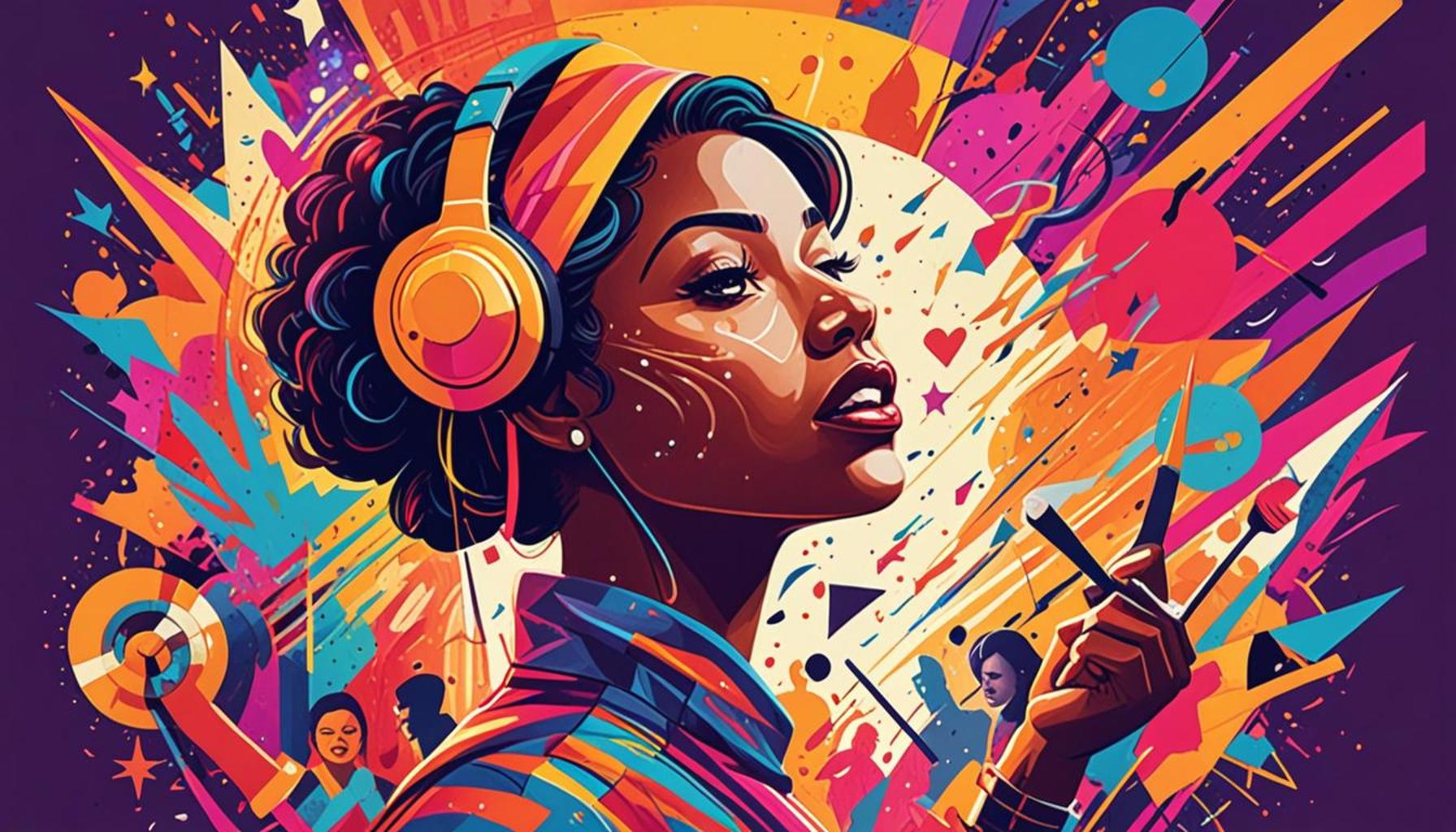
Exploring the Impact of Performing Arts on Social Change
The performing arts, encompassing theater, dance, music, and more, are not merely avenues for entertainment; they are potent vehicles for communicating complex emotions and ideas. These art forms create immersive experiences that engage audiences on multiple levels, often prompting reflection and dialogue about societal issues. Not only do they captivate audiences, but they also have a profound capacity to shape public opinion and inspire social change.
In the United States, the relationship between performing arts and social activism has been particularly dynamic. Historically, artists have used their platforms to highlight injustices and elevate marginalized voices. For instance, the groundbreaking musical “Hamilton” by Lin-Manuel Miranda has reimagined the story of America’s founding fathers with a diverse cast, weaving themes of immigration, inequality, and resilience into its narrative. This innovative approach has ignited discussions on representation in both the arts and political arenas, illustrating how art can mirror and influence social realities.
Furthermore, spoken word poetry has emerged as a compelling medium for expressing personal and collective struggles. Events like Brave New Voices, a youth poetry competition, showcase young poets who address issues such as racial inequality, mental health, and identity. By sharing their stories in a powerful, performative way, these young artists foster dialogues that resonate deeply with their peers and communities, inspiring activism through genuine and heartfelt expression.
Community theater also plays a crucial role in social activism. Local theater groups often tackle regional issues, from homelessness to gun violence, through performances that resonate with their specific audiences. For example, the Berkshire Theater Group in Massachusetts has produced plays that address the opioid crisis, educating and engaging the community in discussions that lead to greater awareness and potential solutions. Such initiatives underscore how local artists can mobilize communities toward a shared goal, creating a grassroots impact that strengthens social fabric.
Through these artistic expressions, performers challenge prevailing norms, advocating for equity and justice. The narratives created through these artistic lenses transcend the stage, inviting audiences to engage with critical issues and find their voices within the broader conversation. As we explore further, we will examine how these voices that transform are harnessing creativity to not only entertain but also to enlighten, provoke thought, and galvanize collective action toward meaningful change.
DIVE DEEPER: Click here to explore the evolution of music creation
The Role of Performing Arts in Amplifying Marginalized Voices
One of the most vital functions of the performing arts as a tool for social activism is their ability to amplify marginalized voices. In a society often dominated by mainstream narratives, artists from diverse backgrounds employ their craft to tell stories that challenge the status quo. This storytelling not only serves as a means of personal expression but also fosters greater understanding among broader audiences, encouraging empathy and insight.
Organizations such as the National Black Theatre in New York City exemplify how performing arts can serve as a sanctuary for underrepresented communities. Founded by Dr. Barbara Ann Teer in 1968, this theater has consistently provided a platform for Black artists to narrate their own stories, thereby addressing systemic racism and the complexities of identity. Productions like “For Colored Girls Who Have Considered Suicide / When the Rainbow Is Enuf” highlight the blend of personal struggle and collective resilience, effectively engaging audiences in conversations about mental health and social injustices.
Similarly, the Society of American Musicians underscores the connections between music and activism. Contemporary artists such as Ben Harper and Janelle Monáe fuse their musical talents with activist messages, using their platforms to rally support for causes such as climate change, healthcare reform, and racial equality. In addition, genres like hip-hop and folk music have been historically influential in articulating the struggles of marginalized populations, informing listeners about systemic disparities while celebrating culture.
- Community Engagement: Theater productions often involve local communities, leading to increased awareness around pressing issues.
- Interactive Performances: Formats like immersive theater create a participatory dialogue that prompts audience reflection and action.
- Workshops and Education: Many performing arts organizations provide educational programs to empower young artists and activists.
These artistic endeavors play an essential role in cultivating dialogues about societal issues. By presenting narratives that elucidate the experiences of those often overlooked, performing arts not only spotlight injustices but also serve as a catalyst for change. The artists behind these movements engage with their audiences in a manner that is both provocative and profound, offering insights that might not be accessible through conventional media.
As we delve deeper into the landscape of performing arts as tools for social activism, it becomes clear that these platforms are more than just stages for performance; they are true catalysts for societal transformation. The narratives presented through various artistic forms can spark conversations that lead to constructive change, enabling individuals to not only understand their world but also to envision the ways in which they can contribute to shaping a better future.
Performing Arts as a Catalyst for Change
The power of performing arts extends beyond mere entertainment; it acts as a voice for marginalized communities and a platform for social change. By harnessing the emotive potential of theater, dance, and music, artists can illuminate pressing societal issues and galvanize public reaction. This form of activism not only allows for self-expression but also fosters dialogue around critical topics such as human rights, gender equality, and environmental justice. Local and international performers have utilized multimedia artists’ collaborations to advocate for their causes. Productions often explore themes like systemic inequality, cultural identity, and the impact of grassroots movements. For example, plays showcasing stories from communities affected by climate change can inspire audiences to confront environmental challenges and engage actively in advocacy efforts. Furthermore, festivals dedicated to social activism affirm the importance of community engagement within performing arts. These events gather diverse artists and activists to share their narratives and create an inclusive space where discussions can flourish. Workshops and panel discussions accompanying performances enrich the experience, prompting attendees to reflect on their roles in societal transformation.The global landscape showcases numerous influential organizations, like theatre of the oppressed, which encourage social discourse through participatory theater. This method empowers individuals to express their ideas and challenges in a creative environment, often leading to transformative personal and social insights. In this dynamic overlap of culture and activism, performing arts emerge not only as a tool for entertainment but as a pivotal means to facilitate change, urging society to be aware, to listen, and to act. As audiences engage with these transformative narratives, they are invited to not only witness but also participate in a broader movement towards justice and equality.
| Category | Advantages |
|---|---|
| Cultural Awareness | Performing arts promote understanding and appreciation of diversity, highlighting cultural stories that resonate. |
| Community Building | They strengthen communities by bringing people together, fostering teamwork and collaboration for a common cause. |
By exploring how performing arts intertwine with social activism, we can recognize the profound impact it holds on shaping our worldviews and inspiring individuals to contribute positively to society.
DIVE DEEPER: Click here to learn more
The Transformative Power of Collective Action through Performances
The intersection of performing arts and social activism often reveals the profound impact of collective action. In a world where individual voices may seem insignificant against systemic oppression, artistic collaboration can create a unified front that drives societal change. *La Mama Experimental Theatre Club* in New York is a prime example of this phenomenon, as it brings together artists from various disciplines and communities to address pressing social issues. This landmark venue has produced works that tackle everything from LGBTQ+ rights to immigration reform, demonstrating how a collective of artists can forge a powerful dialogue through performance.
Additionally, campaigns such as the *#MeToo Movement* have effectively harnessed the arts to promote awareness around sexual harassment and violence. In 2018, the *American Theatre Wing* showcased a series of monologues and plays dealing with these critical themes, encouraging survivors to share their stories in a space where their voices are validated. This not only provided a platform for personal expression but also fostered discussions within communities about consent, accountability, and empowerment.
- Interdisciplinary Collaborations: Art can bridge various fields of study, infusing political science, sociology, and psychology into performances that deepen audiences’ understanding of complex issues.
- Public Art and Installations: Artists are using public spaces to create immersive experiences that challenge viewers to confront uncomfortable truths, driving home the urgency of their messages.
- Documentary Theatre: This genre often reconstructs real-life events, using verbatim dialogue to illuminate pressing social issues and shed light on underreported stories.
Moreover, the concept of *theatre of the oppressed*, developed by Brazilian playwright Augusto Boal, emphasizes how participatory theatre can empower disenfranchised voices. Workshops and community theatre initiatives help individuals articulate their concerns and aspirations through drama, thereby redefining their roles in society. In the United States, organizations like *Theatre in the Hood* utilize Boal’s methods to provide a creative outlet for youth in marginalized communities, encouraging them to participate in social change actively.
On the digital front, the rise of social media has also revolutionized how performing arts are integrated with activism. Platforms like Instagram and TikTok allow artists to share their work and messages in rapid, accessible formats. Viral performances and videos addressing racial inequality, climate action, and mental health issues reach vast audiences, sparking global conversations in an unprecedented manner. A notable example is the viral dance challenge “I Can’t Breathe” which emerged during the protests against police brutality, illustrating how movement art can mobilize individuals while simultaneously spreading awareness.
The reality that performing arts can catalyze change is not merely theoretical; numerous case studies exist, demonstrating this impact in real-world scenarios. From grassroots community theatre projects to large-scale productions on Broadway addressing social issues, the potential for change through performance is vast and continues to evolve. By leaning into this dynamic relationship, artists not only engage audiences but ultimately foster a cultural landscape where empathy, awareness, and action are at the forefront.
DISCOVER MORE: Click here to learn about the benefits of dance and theatre
Conclusion: The Enduring Influence of Performing Arts on Social Change
The realm of performing arts as a tool for social activism embodies a dynamic nexus where creativity, empathy, and action converge. Through a range of expressions— from theatre and dance to music and spoken word— artists can engage audiences in profound ways that ignite conversations and inspire resistance against injustice. The powerful examples of *La Mama Experimental Theatre Club* and initiatives like the *#MeToo Movement* illustrate how performance can serve as both a mirror to society and a catalyst for change.
The various methodologies employed in performing arts, such as interdisciplinary collaborations and documentary theatre, reveal the impactful ways in which art can make complex social issues accessible to broader audiences. Furthermore, the adoption of digital platforms has transformed the landscape of activism, enabling dialogues to transcend geographical boundaries and reach diverse communities at lightning speed. As seen in viral movements and challenges, the arts can unify voices in solidarity, amplifying messages in moments of urgency.
Ultimately, the relationship between performing arts and social activism is more than mere entertainment; it is a foundational element in the pursuit of justice, equity, and empowerment. As audiences engage with these artistic expressions, they are encouraged not only to reflect on their own beliefs but also to mobilize for social change. In this ever-evolving landscape, the voices of artist-activists continue to serve as beacons of hope, reminding us that through creativity, we can challenge the status quo and envision a more just future. The transformative potential of performing arts invites us all to listen, learn, and participate in the ongoing dialogue for social progress.
Related posts:
The Evolution of Performing Arts: Impacts of Technology on Modern Performances
The Importance of Performing Arts in Community Mental Health and Well-Being
How Performing Arts Contribute to the Development of Empathy in Children and Adolescents
The Role of Performing Arts in Mental Health: Therapy Through Performance
The Evolution of Performing Arts: How New Technologies Are Transforming the Stage
Digital Evolution How Online Platforms Redefine Performing Arts Experience

Linda Carter is a writer and creative hobbies expert specializing in crafting, DIY projects, and artistic exploration. With extensive experience helping individuals discover their creative potential and bring their ideas to life, Linda shares her knowledge on our platform. Her goal is to empower readers with practical tips, inspiring ideas, and step-by-step strategies for success in the world of creative hobbies.