Music as Therapy: Exploring the Emotional Benefits of Musical Creation in Hobbies
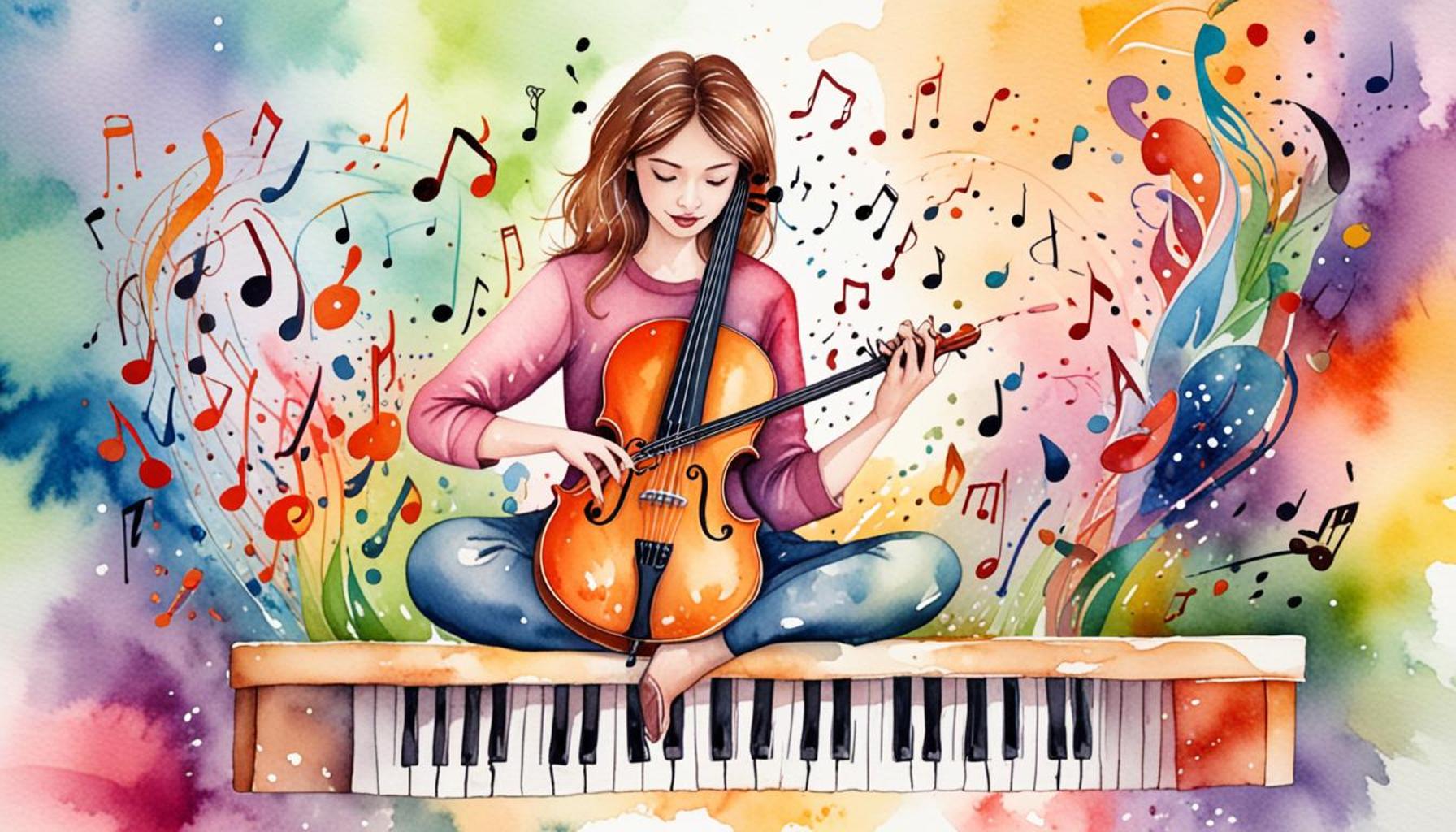
The Therapeutic Power of Music
Throughout history, music has played a pivotal role in human existence, transcending cultural boundaries and fostering connections among people. Its ability to evoke emotions and memories is well-documented, yet its potential as a therapeutic tool has only recently garnered widespread attention. From personal experiences to clinical applications, the intertwining of music and emotional well-being is a fascinating area of exploration.
Emotional Release Through Music
One of the most profound benefits of creating music is its capacity for emotional release. For many, music serves as a safe outlet for emotions that may be difficult to verbalize. For instance, individuals grappling with grief can find solace in songwriting or playing an instrument, allowing them to channel their sorrow into creative expression. This process not only facilitates healing but also helps to validate their feelings, reminding them that they are not alone in their experiences.
Stress Relief and Relaxation
Engaging in musical activities such as playing an instrument, singing, or even listening to calming tunes can have a measurable impact on stress levels. Research indicates that music has the power to lower cortisol levels, which is often referred to as the stress hormone. For example, studies show that patients undergoing surgery who listened to music pre- and post-operatively reported reduced anxiety and improved satisfaction with their care. Whether it’s the soothing sounds of classical music or lively folk tunes, the effect of music on relaxation is undeniable.
Community Connection Through Group Music Experiences
In a world that often feels disconnected, music has the unique capability to forge community connections. Participating in group activities, such as choir, band, or even informal jam sessions, can create a sense of belonging and reduce feelings of isolation. Programs like community orchestras or singing groups have emerged in various cities across the United States, bringing together individuals from diverse backgrounds united by a shared love for music. Engaging in communal music-making not only enhances social bonds but also has been shown to improve overall well-being, fostering a sense of support and camaraderie.
Exploring the Impact of Musical Hobbies on Mental Health
In the United States, musical hobbies range from classical compositions to contemporary pop, offering a wealth of opportunities for personal exploration and growth. Understanding the myriad ways these activities contribute to mental health is crucial for both individuals and practitioners alike. For example, studies suggest that regularly engaging in music can enhance cognitive function, improve mood, and even boost self-esteem. The growing field of music therapy supports this notion, highlighting how tailored musical interventions can benefit individuals dealing with mental health issues like depression and anxiety.
As we continue to investigate the emotional benefits of musical creation, we uncover new pathways to enhance our overall well-being. Whether through solo endeavors or group activities, the transformative power of music is becoming increasingly evident, inviting us all to explore its therapeutic potentials.
DISCOVER MORE: Click here to learn how music can enhance your well-being
Unlocking Creativity for Emotional Wellness
As the world becomes increasingly fast-paced and demanding, individuals are seeking refuge in creative outlets that offer emotional relief and personal growth. Among these outlets, musical creation as a hobby stands out, providing not only a means of self-expression but also significant emotional benefits. This practice allows individuals to tap into their creativity, explore new ideas, and reconnect with their emotions, serving as a powerful remedy for various mental health challenges.
The Science Behind Music and Emotions
Research demonstrates a compelling connection between music and the human emotional experience. When engaging in musical activities, the brain releases neurotransmitters such as dopamine, known for promoting feelings of pleasure and reward. This biological response can lead to an improved mood and greater overall happiness. Additionally, engaging with music can stimulate multiple brain regions, enhancing cognitive functions and emotional processing. For those exploring musical hobbies, this neurological response serves as a catalyst for personal transformation.
Benefits of Participating in Musical Hobbies
The practice of creating music, whether it’s through songwriting, instrumental performance, or composing, offers a multitude of emotional benefits. Some of the key advantages include:
- Enhanced Self-Expression: Music provides a unique medium for articulating feelings that may be challenging to express through words alone. This mode of expression fosters authenticity and emotional understanding.
- Increased Mindfulness: Engaging in musical activities encourages individuals to focus on the present moment, promoting mindfulness and reducing symptoms of anxiety.
- Boosted Self-Esteem: Successfully creating music, even as a hobbyist, instills a sense of achievement and confidence that can translate to other areas of life.
- Enhanced Emotional Regulation: The act of creating music allows individuals to process their emotions, promoting healthier responses to stress and anxiety.
Shifting Mental States with Music Creation
The transformative power of music extends to its ability to shift mental states. Psychological studies reveal that musical creation can effectively distract individuals from negative thoughts and feelings, providing a constructive escape. For example, those experiencing depression may find temporary relief and newfound motivation through the act of composing a song or learning a new instrument. The rhythmic components of music can also have calming effects, making it easier for individuals to navigate difficult emotions.
As we begin to uncover the myriad ways in which music acts as a catalyst for emotional well-being, it’s essential to broaden our perspective. The world of musical hobbies is vast and diverse, inviting anyone, regardless of skill level, to engage with its benefits. From seasoned musicians to casual dabblers, exploring these hobbies can lead to profound personal revelations and emotional resilience.
| Category | Characteristics |
|---|---|
| Emotional Expression | Music facilitates profound emotional expression, allowing individuals to articulate feelings that might be difficult to express verbally. |
| Mindfulness and Presence | Engaging in musical creation fosters mindfulness, encouraging practitioners to stay present in the moment, which can be therapeutic for mental health. |
| Social Connection | Creating music can enhance social bonds by bringing people together, fostering a sense of community and shared experiences. |
| Cognitive Engagement | Musical activities stimulate cognitive functions, improving memory, attention, and problem-solving skills. |
Exploring the theme of Music as Therapy reveals an intersection between creativity and emotional wellness. The avenue of creative expression through music stands out as an enriching hobby that leads to heightened mental health. Individuals who engage in musical creation often find solace and strength, transforming their emotional landscapes. Not only does music allow for deep emotional expression—where words may fail—but it also serves as a powerful tool for fostering mindfulness. Concentrating on melody, rhythm, and harmony can provide a dual benefit: relaxation and engagement.Additionally, the social aspect of making music can rejuvenate personal connections, bridging gaps between individuals and creating a sense of belonging. The cognitive benefits further enhance the appeal of engaging in musical hobbies, as they sharpen mental acuity and promote neuroplasticity. The emotional rewards of musical creation capture the hearts and minds of hobbyists, making it a meaningful way to navigate the complexities of life. Embracing music as a therapeutic outlet offers a profound avenue for emotional growth, inviting readers to delve deeper into the transformative power of sound.
DISCOVER MORE: Click here for essential tips
Exploring Different Musical Hobbies and Their Therapeutic Impact
Delving deeper into the realm of musical hobbies reveals a variety of practices that can significantly enhance emotional well-being. Each musical activity comes with its unique therapeutic benefits, catering to different preferences and experiences. This diversity makes it easier for individuals to find a form of music creation that resonates with their personal journey.
The Role of Songwriting in Emotional Healing
One of the most profound hobbies within musical creation is songwriting. This practice allows individuals to transform their emotions into lyrics and melodies, thereby creating a personal narrative that fosters healing. Studies suggest that expressive writing, including songwriting, can help individuals make sense of their experiences, leading to reductions in anxiety and depressive symptoms. By crafting stories through song, people can externalize their struggles, ultimately feeling a sense of relief and empowerment.
Instrumental Performance: A Pathway to Connection
Playing an instrument not only provides a physical outlet for energy but also serves as a form of social connection. Participating in group music activities, such as community bands or orchestras, fosters a sense of belonging. Research indicates that group music-making can lead to feelings of unity and collaboration, which are essential for emotional health. The joy derived from performing with others or simply sharing music can alleviate feelings of loneliness and isolation, making it an appealing avenue for those seeking more connection in their lives.
Music and Technology: Expanding Access to Musical Creation
In today’s digital age, technology has made music creation accessible to individuals of all backgrounds. Programs and applications for music production have proliferated, allowing hobbyists to explore their creativity without the need for extensive training or expensive equipment. Online platforms like GarageBand and Soundtrap encourage users to experiment, compose, and share their creations seamlessly. This democratization of musical creation opens doors for people who may never have considered music as a viable hobby, and it has become an instrumental tool for self-discovery.
The Transformative Power of Music in Therapy Settings
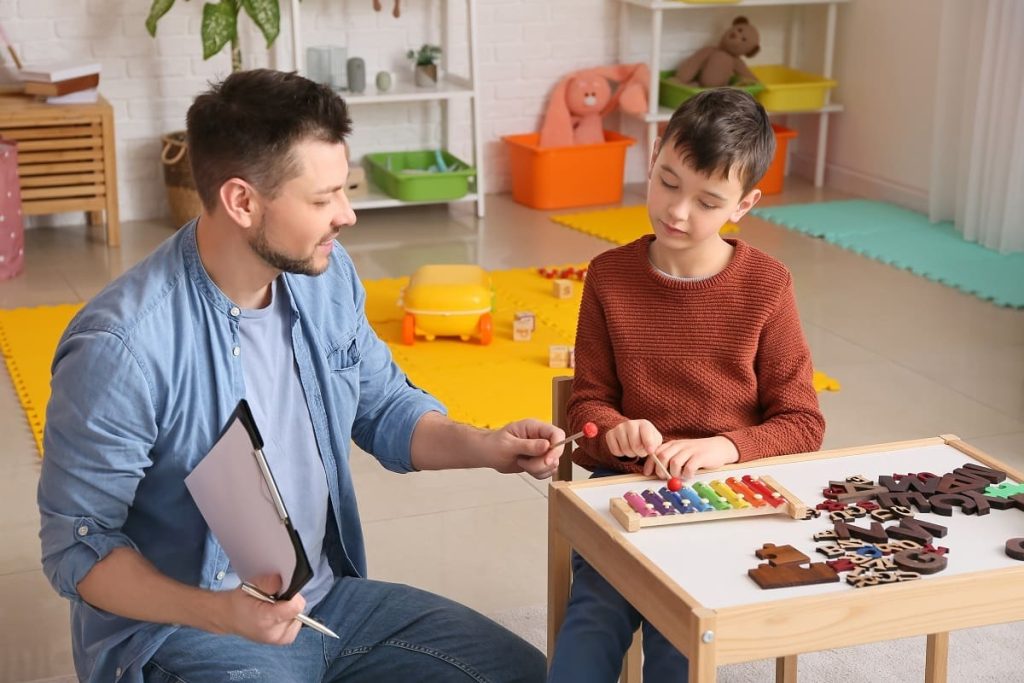
In therapeutic contexts, the structured use of musical activities has been shown to yield significant emotional benefits. Music therapy, guided by a trained therapist, utilizes music creation and listening as a mechanism to address various psychological issues. Studies reveal that patients engaging in music therapy report decreases in severity of symptoms associated with conditions such as post-traumatic stress disorder (PTSD), autism spectrum disorder, and chronic pain. The therapeutic relationship formed in these settings, combined with the emotional outlet music provides, can lead to profound healing experiences for participants.
As the understanding of music as therapy continues to evolve, it is becoming increasingly clear that engaging in musical hobbies is no longer just about talent but about emotional connection and personal growth. Everyone—from complete novices to proficient musicians—stands to gain from embracing the creative power of music as a means of nurturing their mental well-being.
DON’T MISS: Click here for essential tools and techniques
Conclusion
In conclusion, the intersection of music as therapy and personal hobbies presents a remarkable pathway for emotional healing and self-discovery. Through activities like songwriting, instrumental performance, and the innovative use of technology in music creation, individuals can cultivate a deeper understanding of their emotions and foster significant connections with others. The findings underscore a paradigm shift: music is not merely an art form but a profound tool for psychological resilience and well-being.
As the evidence mounts regarding the therapeutic impacts of music, it becomes evident that engaging in musical hobbies can offer vital emotional benefits, from alleviating symptoms of anxiety and depression to instilling a sense of belonging and community. In a society where mental health is often neglected, harnessing the power of music could be a key component of holistic well-being. It is an invitation for everyone—whether musically inclined or not—to explore their creativity and emotional landscape.
As we continue to appreciate the role of music in our lives, we encourage readers to delve into the diverse offerings of musical hobbies, recognizing their potential for transformation. Whether you find solace in crafting lyrics, strumming an instrument, or mixing beats on a digital platform, the pursuit of musical creation is not only an enriching pastime but also a vital resource for mental health. Embrace the melodies of life and allow music to guide you toward emotional restoration and growth.
Related posts:
Creating Music for Different Media: Challenges and Opportunities in Soundtracks
The Power of Improvisation in Musical Composition: Creative Freedom and Personal Expression
Discover Musical Composition Beginner Techniques Boundless Creativity
The influence of personal experiences on musical composition: transforming experiences into art
The Evolution of Musical Creation: How Technology Is Transforming the Creative Process
Exploring Technologys Impact on Music Creation Modern Tools Trends

Linda Carter is a writer and creative hobbies expert specializing in crafting, DIY projects, and artistic exploration. With extensive experience helping individuals discover their creative potential and bring their ideas to life, Linda shares her knowledge on our platform. Her goal is to empower readers with practical tips, inspiring ideas, and step-by-step strategies for success in the world of creative hobbies.