Music as Artistic Expression Boosting Mental Health and Well-Being
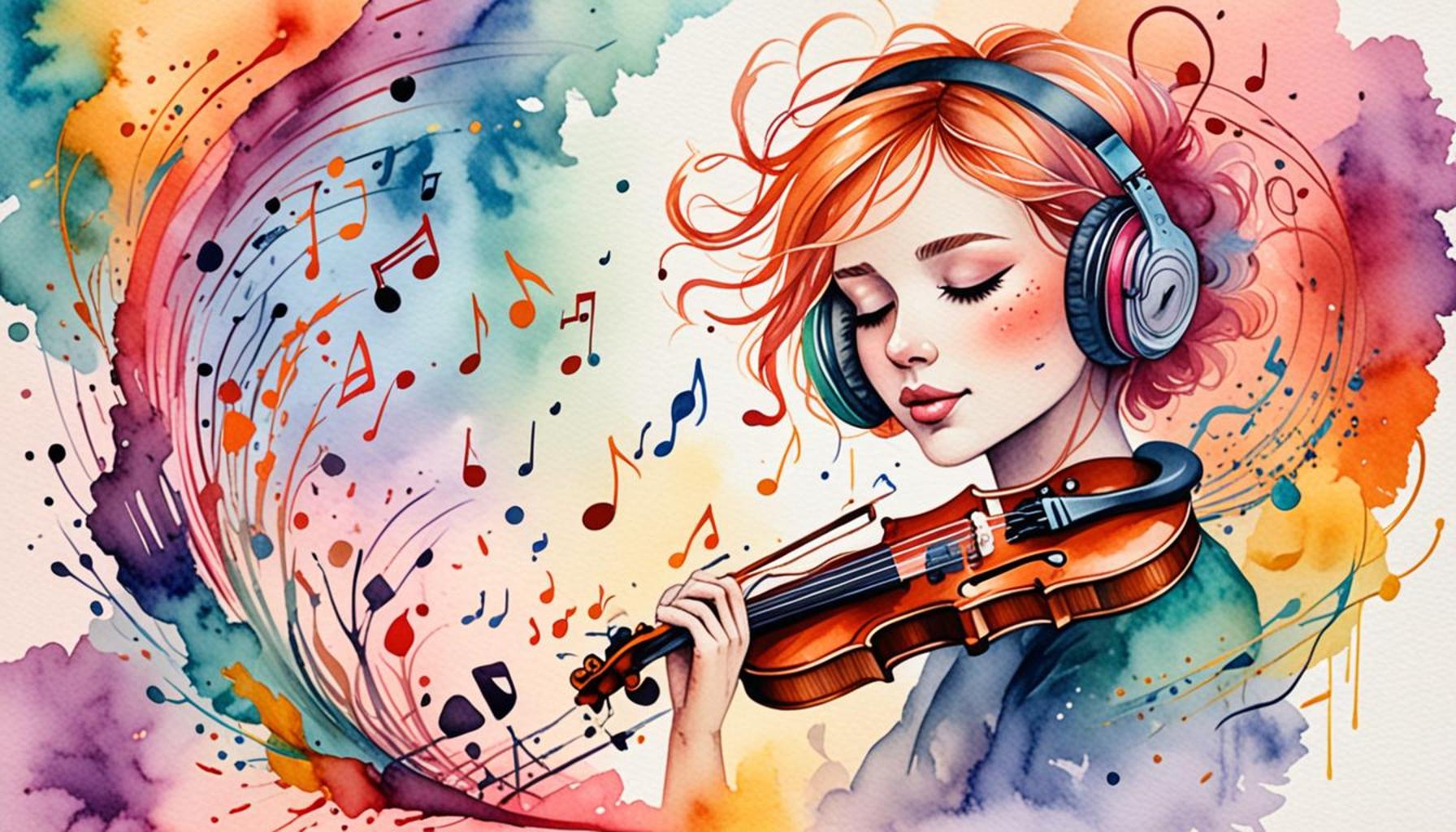
Exploring Music’s Transformative Power
In an increasingly chaotic world, music emerges as a universal language, offering a sanctuary for emotional expression and connection. This artistic form not only entertains but also profoundly impacts mental health and well-being. Research has shown that engaging with music can lead to significant psychological benefits, helping individuals cope with stress, anxiety, and depression.
Why Creative Hobbies Matter
Creative hobbies like music provide an accessible outlet for self-expression.
- Emotional release: Music allows individuals to process feelings that words often cannot capture.
- Social connections: Collaborative music-making fosters community and belonging.
- Life skills: Engaging in music enhances cognitive abilities and improves discipline.
As we delve deeper into this fascinating connection, we will uncover the Top 5 impacts of music on mental health and well-being. Prepare to discover how this powerful art form can enhance your life in transformative ways.
A Música como Forma de Expressão Artística: Impactos na Saúde Mental e Bem-Estar
Music is a universal language that has played a crucial role in human culture for centuries. Its ability to influence mood and behavior makes it a fascinating topic for those interested in understanding the ties between music and emotional well-being. Throughout history, music has not only served as an emotional and cultural cornerstone but also as a profound expression of individualism and collective identity. This exploration will delve into five significant impacts of music on mental health and well-being, emphasizing its importance in our daily lives and overall mental health.
5. Music as a Coping Mechanism
In times of distress or uncertainty, many individuals find themselves turning to music as a reliable coping mechanism. Whether through the comforting lyrics of a familiar song or the soothing melodies of classical music, it offers an escape and a means to manage emotions effectively. Scientific studies have demonstrated that listening to music can reduce levels of cortisol, a hormone that is directly linked to stress. This physiological shift not only alleviates anxiety but also helps in creating a calm state of mind.

- Distraction from pain: Patients recovering from surgery or battling chronic illnesses often report that music serves as a distraction, helping to manage pain and discomfort. Emotionally, it allows them to focus on something pleasurable rather than their suffering.
- Access to emotional release: Music provides a passage for emotional outpour, enabling listeners to release emotions that may be difficult to verbalize. Certain songs resonate deeply, offering solace or a mirror to reflect personal struggles.
- Encouragement for mindfulness: Engaging with music can ground a listener in the present moment, promoting mindfulness. This focus can reduce feelings of being overwhelmed, aiding those managing stressor-laden lives.
Ultimately, music functions as a therapeutic avenue, allowing individuals a method to process feelings and gain emotional clarity through its vibrant frequencies and touching harmonies.
4. Music as a Social Connector
The power of music extends beyond personal experiences, reaching into the realm of social interaction. It acts as a bridge that enhances social connections, allowing individuals to bond over shared tastes and experiences. Whether one is at a concert, a music festival, or simply enjoying a song with friends, music fosters a sense of community and belonging.
- Strengthening relationships: Sharing music with friends or family can cement relationships, creating shared memories and a collective identity. Discovering new artists together or reminiscing over nostalgic tracks creates lasting bonds.
- Enhancing communication: Music often steps in where words fail, articulating feelings and thoughts that might otherwise remain unexpressed. Songs and melodies can encapsulate emotions, fostering understanding across cultural and linguistic barriers.
- Building support networks: Communities centered around music offer invaluable support, especially during challenging times. Participating in band groups, choir ensembles, or fan clubs promotes a sense of belonging and understanding.
Music’s social aspect is integral to mental well-being, as it nurtures emotional connections and lays the groundwork for reliable support systems essential for a fulfilling life.
3. Music in Therapeutic Settings
Music therapy has emerged as a compelling field within mental health, utilizing the intrinsic power of music to heal and bolster psychological health. Therapists apply musical interventions to achieve various therapeutic goals, making it invaluable in mental health practices.
- Emotional expression: In therapy, music acts as a catalyst for expression, providing a safe space for individuals to explore and articulate complex emotions in a non-verbal manner.
- Cognitive function: Intertwining cognitive and musical elements can enhance memory, attention, and reasoning skills—beneficial for patients with dementia, ADHD, or other cognitive impairments.
- Social skills: Music therapy often involves group settings that enhance social skills, teaching cooperation, empathy, and interpersonal communication through musical collaboration.
The integration of music therapy into mental health care signifies its unique capability to aid emotional healing and improve cognitive functions, marking it as an essential tool in promoting mental well-being.
2. Music as a Source of Inspiration
Music has been a beacon of inspiration across generations, sparking creativity and transforming how individuals perceive and navigate their emotional landscapes. Artists throughout history have often drawn from their emotional experiences to create music that, in turn, inspires others to explore their artistic potential.
- Encouraging artistic expression: Musicians, writers, painters, and choreographers frequently look to music as a muse, driving new creations and innovations in various artistic fields.
- Motivating personal reflection: Lyrics and harmonies encourage listeners to engage in self-reflection, often leading to profound personal insights and growth.
- Facilitating emotional healing: For many, composing or performing music allows for confronting and navigating personal struggles, providing a conduit for emotional healing and resolution.
By inspiring creative expression and introspection, music offers individuals an avenue to explore their inner world, fostering a deeper connection to themselves and enhancing their sense of fulfillment.
1. Music as a Fundamental Part of Human Experience
Music is ingrained in the very fabric of human existence. It transcends culture, language, and time, standing as a testament to human resilience and creativity. From the rhythmic chants of ancient civilizations to the complex compositions of modern orchestras, music influences human experience in unparalleled ways.
Universal Reach: Music speaks to the primal parts of the human psyche, evoking universal emotions and experiences. Its cross-cultural appeal underscores its ability to connect humanity on a deeply intrinsic level.
The Evolutionary Perspective: Some researchers propose that music may have played a crucial role in human evolution, aiding in social cohesion and communication among early humans. This perspective highlights its fundamental place in human development and communities.
In conclusion, music is an indispensable component of human life, intricately woven into the fabric of our existence. Its impacts are extensive and profound, touching on emotional, social, and cognitive aspects of human experience and underscoring its significance in fostering a fulfilling, emotionally rich life.
| Category | Details |
|---|---|
| Therapeutic Benefits | Music is widely used in music therapy to help individuals manage stress, anxiety, and other mental health challenges. It facilitates emotional expression and provides a safe space to process feelings. |
| Social Connectivity | Engaging with music can foster social bonds and build community. Group activities such as singing in choirs or attending concerts can alleviate feelings of loneliness and enhance social well-being. |
| Cognitive Engagement | Participating in music-related activities can enhance cognitive function and promote brain health. Learning an instrument or singing can improve memory, attention, and problem-solving skills. |
| Mood Regulation | Music has a profound influence on mood regulation, influencing emotions and behavior. Listening to uplifting music can boost serotonin levels, while reflective music can aid in processing complex feelings. |
Frequently Asked Questions
How does music serve as a form of artistic expression?
Music is a unique form of artistic expression because it combines rhythm, melody, and harmony to evoke emotions and convey messages. It allows artists to communicate complex feelings that words alone may not fully express. Whether through the lyrics in a song or the mood set by an instrumental piece, music can reflect cultural identities, personal experiences, and social issues. This multifaceted nature of music makes it a powerful vehicle for artistic expression.
What are the mental health benefits of engaging with music?
Interacting with music, whether by playing an instrument, singing, or listening as an audience, can have profound effects on mental health. Music has been shown to reduce stress, decrease anxiety, and improve mood by triggering biochemical effects in the brain. It releases neurotransmitters such as dopamine, linked to pleasure and reward, which can result in feelings of happiness and motivation. Regular engagement with music can also help with emotional regulation, provide comfort in times of distress, and enhance cognitive functions.
Can music therapy be used as a treatment for mental health issues?
Yes, music therapy is a recognized therapeutic approach that uses musical interventions to achieve specific clinical goals. This form of therapy can be beneficial for individuals dealing with conditions such as depression, anxiety, and PTSD. Music therapy sessions can involve creating, singing, moving to, or listening to music, and are often tailored to the individual’s needs. Studies have indicated that music therapy can improve emotional and psychological well-being, promoting recovery and enhancing one’s quality of life.
What role does cultural background play in the way music affects individuals?
Cultural background significantly influences how people experience and respond to music. Music is often a key element of cultural identity, carrying traditions, stories, and values across generations. Different cultures have distinct musical styles and preferences, which can affect how music impacts emotions and social interactions. Understanding the cultural context of music can provide deeper insights into its expressive power and help address specific community needs in therapeutic settings.
Are there any negative impacts of music on mental health?
While music generally has positive effects, certain genres or excessive exposure can have negative impacts. Music with violent or aggressive lyrics might increase agitation or reinforce negative thought patterns in some individuals. Overuse of headphones or loud music can also lead to hearing loss, which might indirectly affect mental health by leading to social isolation. Therefore, it’s important to be mindful of the type of music and volume to ensure it remains a positive influence on mental well-being.
Conclusion
Throughout our exploration of music as an artistic expression and its profound impact on mental health and well-being, we have uncovered the multifaceted ways in which music enriches our lives. From soothing melodies that provide solace in times of distress to the invigorating rhythms that boost our energy and motivation, music is a vital component of our emotional landscape.
Perhaps most striking is the notion that music serves as a universal language, transcending cultural and linguistic barriers to bring people together through shared experiences. As a creative hobby, music offers a powerful outlet for self-expression, allowing individuals to convey emotions that might otherwise remain unspoken. This expressive capability not only enhances personal growth but also fosters empathy and understanding among diverse communities.
Our investigation also highlighted the physiological benefits of engaging with music, such as stress reduction, improved cognitive function, and even enhanced physical well-being. The capacity of music to influence brain activity and stimulate the release of neurochemicals adds a scientific dimension to its role in promoting health. Given these insights, it is evident that incorporating music into daily life can serve as a proactive measure for mental health care and holistic wellness.
In summary, the significance of music as a form of art extends beyond mere entertainment, playing a crucial role in our psychological and emotional health. The therapeutic potential of music highlights its importance among creative hobbies, suggesting that further exploration and integration of music into therapeutic practices could yield even greater benefits. As we continue to unveil the complex relationship between music and mental well-being, we are encouraged to immerse ourselves in the sonic world and appreciate the unseen harmonies that it brings to our lives.

Linda Carter is a writer and creative hobbies expert specializing in crafting, DIY projects, and artistic exploration. With extensive experience helping individuals discover their creative potential and bring their ideas to life, Linda shares her knowledge on our platform. Her goal is to empower readers with practical tips, inspiring ideas, and step-by-step strategies for success in the world of creative hobbies.