Exploring Digital Painting: Techniques and Styles for Amateur Artists
The Rise of Digital Painting
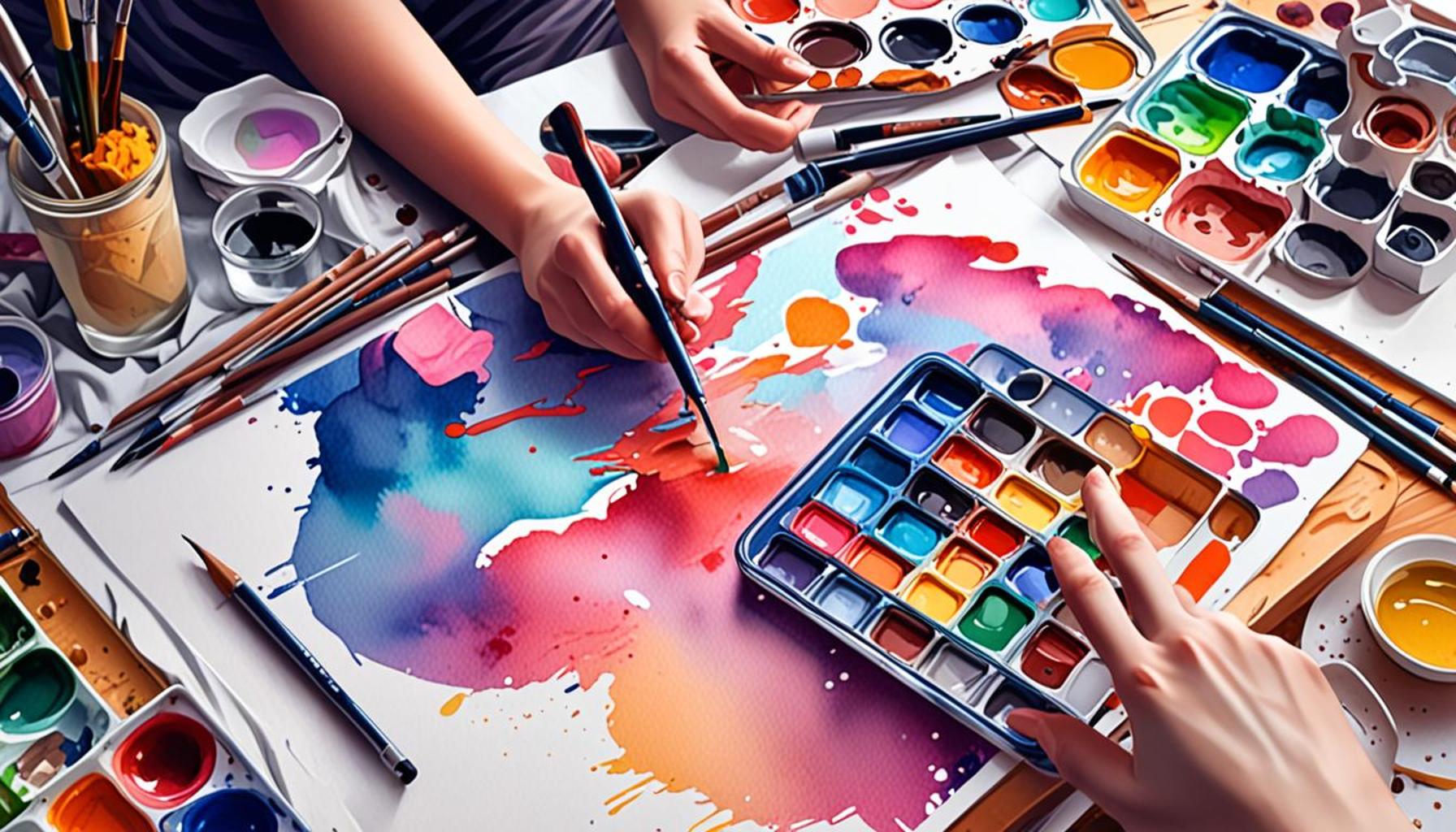
The advent of technology has significantly changed the landscape of artistic expression, making digital painting an increasingly popular choice among artists of all skill levels. Digital painting empowers individuals to explore various artistic avenues and unleash their creative potential. With a plethora of tools at their disposal, artists can blend traditional artistry with cutting-edge technology, leading to stunning visual compositions.
Key Advantages of Digital Painting
One of the most alluring aspects of digital painting is the variety of tools available. Programs such as Adobe Photoshop, Corel Painter, and Procreate provide users with a vast selection of brushes that mimic everything from oil paints to watercolors. Artists can also customize their own brushes or download unique textures created by fellow digital creators. Furthermore, instant revisions stand out as particularly useful. Mistakes can be quickly undone, allowing artists to experiment freely without the fear of committing to a permanent error. This flexibility encourages a more playful approach to art-making.
Additionally, digital painting is widely regarded as accessible. Gone are the days when aspiring artists felt they needed advanced skills or expensive materials to get started. With just a tablet and stylus, anyone can take their first steps into digital artistry. Moreover, numerous online communities and resources are available, offering tutorials and support to guide beginners through the learning process.
Exploring Techniques and Styles
As you dive deeper into the world of digital painting, the variety of styles available can serve as an incredible source of inspiration. Realism, for instance, focuses on replicating lifelike details and vibrant colors, allowing artists to hone their observational skills. This style often requires a solid understanding of anatomy and light, making it both challenging and rewarding.
Impressionism, on the other hand, captures fleeting moments through expressive strokes and an emphasis on light. Artists like Claude Monet have paved the way for this style, showcasing how brushwork can evoke emotion rather than mere accuracy. In the digital realm, artists can utilize layering and blending modes to achieve similar effects with ease.
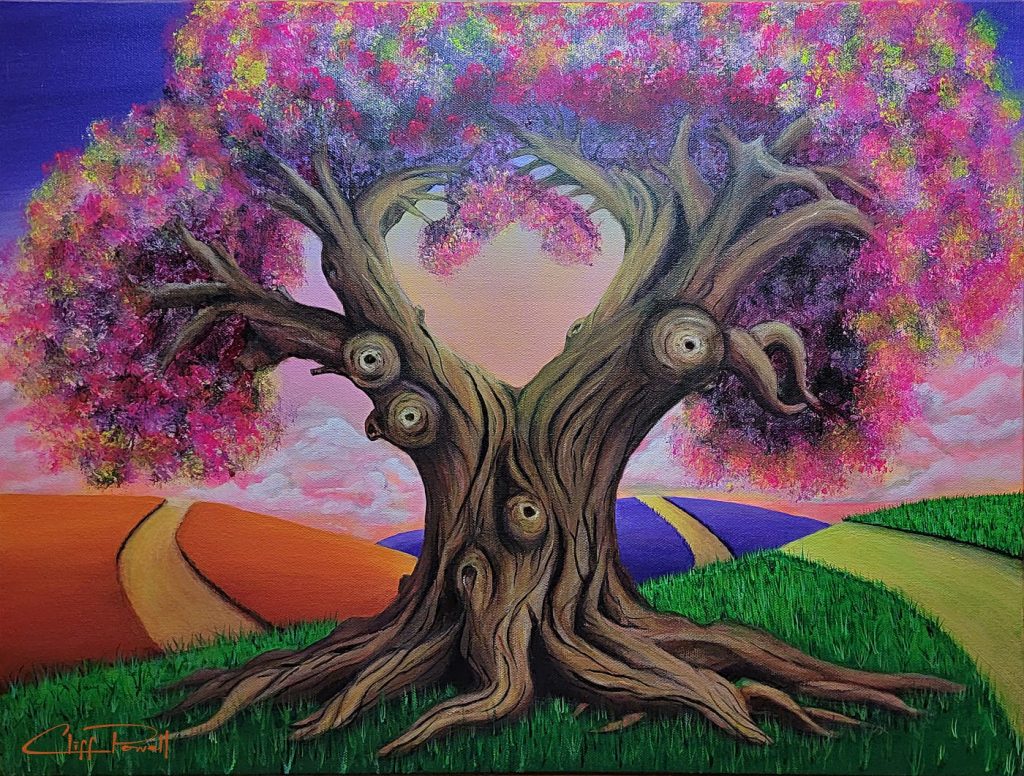
Surrealism encourages artists to break free from reality, combining dreamlike elements with recognizable subjects. This style offers limitless creative possibilities, allowing one to delve into abstract ideas and personal imagination. The ability to manipulate images digitally means that artists can create complex scenes that might be hard to achieve with traditional materials.
Next Steps for Aspiring Artists
As you embark on your digital painting journey, a wealth of resources awaits. Online platforms like YouTube and Skillshare offer numerous tutorials tailored to different skill levels and styles, helping you refine your techniques. Participating in online forums and art communities such as DeviantArt or ArtStation can also provide valuable feedback and inspiration. Remember, the world of digital painting is versatile and ever-evolving. Embrace it and let your creativity flow!
DON’T MISS: Click here to delve deeper
Endless Possibilities with Digital Tools
Digital painting opens a world of creative possibilities, extending beyond traditional boundaries. With intuitive interfaces and advanced features, artists can employ an array of techniques that were once only achievable through physical mediums. The convenience and versatility of these tools allow for exciting experimentation as amateur artists develop their distinctive styles.
Fundamental Techniques to Master
For budding digital artists, mastering fundamental techniques is essential to building a strong foundation. Here are some basic techniques to explore:
- Brush Control: Learning how to adjust brush settings, including opacity, flow, and size, can drastically alter the outcome of your work. Experimenting with different brushes and their settings helps create depth and details.
- Layering: Utilizing layers effectively is crucial in digital painting. Layers allow artists to separate elements of a composition and make adjustments without disturbing the entire image. This technique enhances flexibility and creativity.
- Color Theory: Understanding color theory can elevate your digital paintings. Comprehending the relationships between colors allows artists to create harmonious palettes that enhance visual appeal. Tools such as color wheels and harmony guides provide great resources.
- Blending Techniques: Learning how to blend colors effectively can produce stunning gradients and smooth transitions. Techniques like smudging, airbrushing, or using a soft brush can replicate the seamless quality of traditional paintings.
- Texturing: Adding texture can bring your artwork to life. Digital artists can achieve texture effects through various methods, such as using texture brushes, incorporating scanned patterns, or applying texture filters.
By mastering these fundamental techniques, artists can bring greater depth and complexity to their work, setting the stage for more advanced experimentation.
Diving into Styles: Finding Your Voice
Once you have honed basic techniques, exploring different artistic styles becomes a path for self-discovery. Digital painting offers an expansive array of styles that can inspire and challenge you. Here are a few popular styles to consider:
- Concept Art: Often used in the gaming and film industry, concept art is centered around visualizing ideas. Artists are encouraged to create imaginative landscapes and characters, focusing on expression and storytelling.
- Cartoon and Comic Art: This vibrant style embraces exaggerated features and dynamic compositions. Digital tools enable artists to achieve polished lines and bold colors, making it an exciting avenue for amateurs wishing to explore narrative art.
- Fantasy and Sci-Fi Art: This genre invites artists to let their imaginations soar. Whether depicting mythical creatures or otherworldly landscapes, artists can experiment with elements from different cultures and styles to create unique compositions that stretch the limits of reality.
Each of these styles presents an opportunity for novice artists to experiment and develop their artistic voice. With endless resources available within the digital realm, budding artists are empowered to explore various styles and techniques as they navigate their artistic journey.
Exploring Digital Painting Techniques
In the realm of digital painting, several techniques can elevate the artistry of amateur artists. From layering to blending, understanding these practices allows creators to simulate traditional methods effectively. Layering involves using multiple transparent sheets to separate different elements of a composition, ensuring flexibility and control over the final image. This technique not only organizes the artwork but also simplifies the editing process, enabling artists to make adjustments without affecting the entire piece.
Blending, on the other hand, is crucial for achieving realistic textures and depth. By carefully manipulating brush tools and opacity settings, artists can create smooth transitions between colors. This method is especially beneficial in portrait painting and landscapes, where subtleties play a significant role in capturing the viewer’s attention.
Diverse Styles in Digital Art
Amateur artists can express themselves through various styles in digital painting, ranging from realism to abstract. Realism focuses on capturing subjects as accurately as possible, emphasizing detail and shading to create lifelike images. Artists often utilize high-resolution textures and advanced blending techniques to showcase their skills. Abstract art, in contrast, allows for personal interpretation and creativity, with artists experimenting with colors and shapes to evoke emotions rather than depict reality.
The process of exploring these diverse styles not only enhances an artist’s portfolio but also encourages innovation and experimentation. Embracing both the intricate details of realism and the freedom of abstraction can lead to a rich and varied artistic journey.
| Technique | Description |
|---|---|
| Layering | Using multiple transparent sheets for organized composition. |
| Blending | Creating smooth transitions for realistic textures. |
| Realism | Focusing on accurate representation and detailed imagery. |
| Abstract | Emphasizing creativity and personal expression over realism. |
DISCOVER MORE: Click here to enhance your creativity
Unleashing Creativity: Advanced Techniques and Insights
Once amateur artists have established their foundational skills, delving into advanced techniques can significantly enhance their digital painting capabilities. These techniques not only allow for greater creativity but also serve to refine one’s artistic voice. Here are some advanced strategies to consider:
Advanced Techniques to Enhance Your Artistry
As you grow in your digital painting journey, consider integrating these advanced methods that can add sophistication to your work:
- Custom Brush Creation: Experimenting with creating personalized brushes can lead to unique textures and patterns in your artwork. By adjusting settings like shape dynamics and scattering, artists can achieve distinct strokes that define their style.
- Photo Manipulation: Integrating photographic elements into digital paintings adds realism and complexity. Techniques such as layering photographs and utilizing blending modes can create unique compositions that merge photography and painting.
- Dynamic Lighting: Understanding and incorporating light into your paintings adds depth. Experimenting with different light sources and shadows can create a three-dimensional feel, enhancing the ambiance of your work.
- Color Grading: Beyond basic color theory, mastering color grading allows artists to set the mood of a painting. By adjusting overall tones and contrasts, it’s possible to evoke particular emotions and enhance storytelling.
- Digital Composition Techniques: Familiarizing yourself with composition techniques, such as the rule of thirds, leading lines, and framing, can dramatically improve the arrangement of elements within your artwork. Strong composition guides the viewer’s eye and elevates overall quality.
These advanced techniques provide a toolkit for artists to break free from conventional boundaries and explore new artistic frontiers.
Emerging Trends in Digital Painting
The realm of digital painting is constantly evolving, influenced by technological advancements and artistic trends. Keeping up with these changes can foster inspiration and innovation. Here are some emerging trends in digital painting that amateur artists might find engaging:
- 3D Elements in 2D Art: Integrating three-dimensional elements into two-dimensional artwork is a growing trend. Artists can create depth and realism by incorporating 3D models, allowing for unique perspectives and interactivity in their paintings.
- Augmented Reality (AR) Art: With the rise of AR technologies, artists can now create interactive digital paintings that viewers can engage with through devices, blurring the lines between reality and digital creativity.
- Art Collaborations: An increase in community platforms encourages artists to collaborate, merging diverse styles and techniques. Such collaborations can yield innovative outcomes and broaden the scope of artistic expression.
- Sustainability in Art: As the world becomes increasingly eco-conscious, digital artists are finding ways to align their practices with sustainable principles. Using digital mediums reduces the need for physical materials, which resonates with eco-aware audiences.
By staying informed about these trends, amateur artists can not only keep their work relevant but also integrate contemporary practices into their artistic vision. Whether you embrace traditional styles or innovative techniques, digital painting invites exploration and growth in new and exciting ways.
DIVE DEEPER: Click here to explore the evolution of abstract art
Conclusion: Embracing the Digital Canvas
In the modern art landscape, digital painting offers an expansive playground for amateur artists looking to express their creativity. This exploration of various techniques and styles serves as an invitation to push the boundaries of traditional art forms. By mastering essential basics and embracing advanced strategies such as custom brush creation and dynamic lighting, artists can elevate their work to new heights.
The integration of emerging trends such as 3D elements in 2D art and the exciting possibilities of augmented reality invite amateur artists to think outside the box and engage with technology in innovative ways. As digital platforms continue to democratize artistic expression, the potential for collaboration and community-building offers additional avenues for growth and inspiration. Moreover, aligning with a more sustainable practice by choosing digital mediums effectively reflects contemporary values and resonates deeply with audiences.
Ultimately, the journey into digital painting is not just about learning how to use tools; it’s about discovering one’s unique artistic voice. As amateur artists embark on this path, they are encouraged to nurture their curiosity, experiment with diverse techniques, and stay attuned to evolving trends. The digital canvas awaits, offering countless possibilities for those willing to explore and innovate. Embrace the challenge and let your imagination guide you in transforming pixels into a vivid narrative, as the world of digital painting holds endless opportunities for both personal development and artistic expression.
Related posts:
Future Trends in Digital Design: What to Expect in the Coming Years for Creative Hobbies
The Influence of Typography in Digital Design: How Fonts Can Transform Your Art
Digital Design and Pop Culture: How Music and Cinema References Inspire Creators
Character Design in Virtual Environments: Bringing Creative Hobbies to Life in Games
The Psychology of Colors in Digital Design: How Visual Choices Influence Creativity
Master Digital Design Tools From Beginner to Pro Guide
Linda Carter is a writer and creative hobbies expert specializing in crafting, DIY projects, and artistic exploration. With extensive experience helping individuals discover their creative potential and bring their ideas to life, Linda shares her knowledge on our platform. Her goal is to empower readers with practical tips, inspiring ideas, and step-by-step strategies for success in the world of creative hobbies.