Digital Evolution How Online Platforms Redefine Performing Arts Experience
Introduction
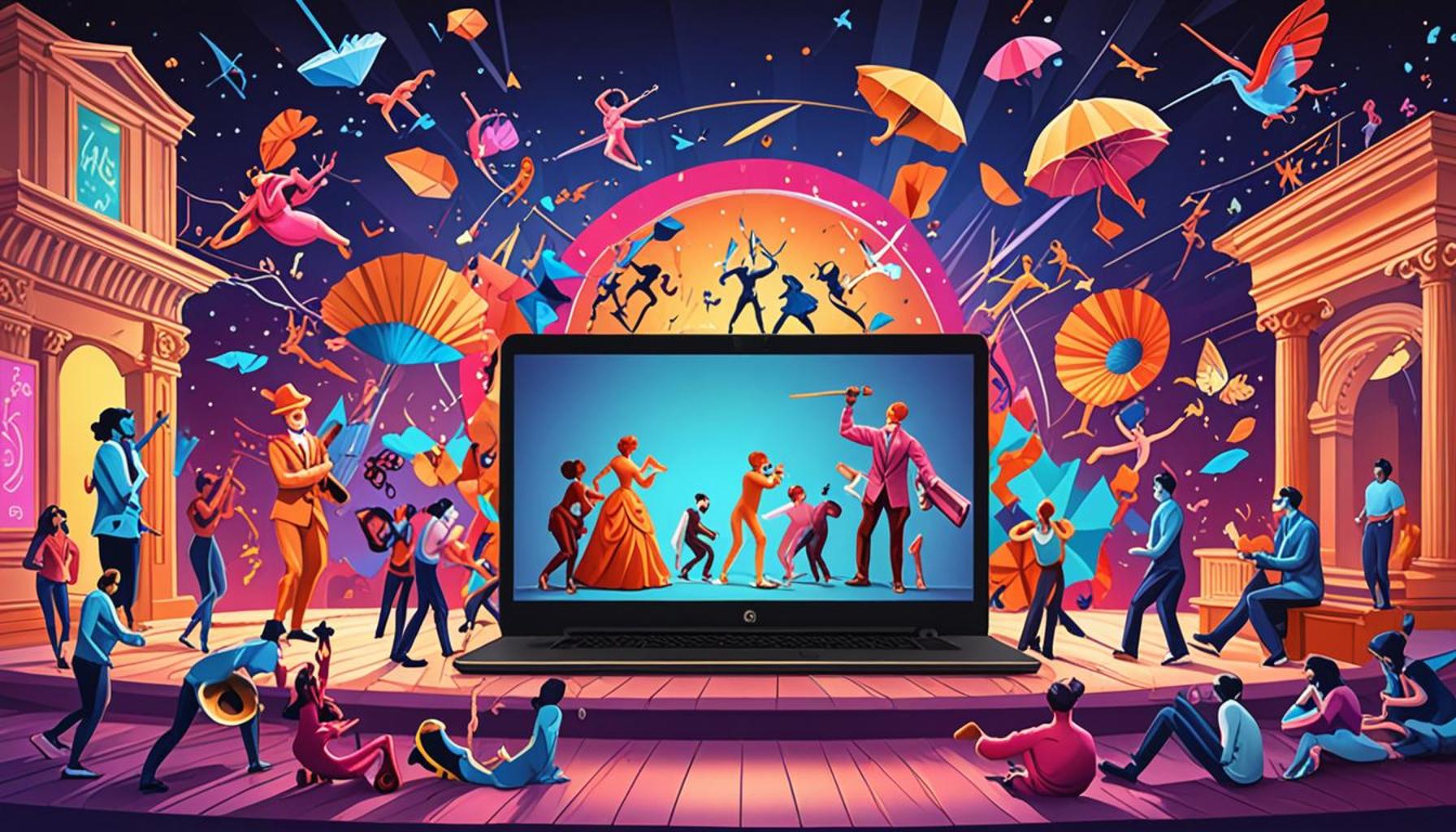
As technology reshapes our daily lives, the world of performing arts is no exception. From traditional theater to modern dance, the way audiences experience live performances is undergoing a profound transformation. With the rise of online platforms, the interaction between artists and their viewers has expanded, breaking geographic barriers and creating new avenues for engagement.
Today, artists are not just performers but also curators of digital experiences. Platforms like streaming services, social media, and virtual reality are redefining how we consume and appreciate artistic expressions. This evolution brings both opportunities and challenges, making it essential to explore how these changes impact both creators and audiences alike.
In this article, we will delve into the Top 5 ways online platforms are transforming the performing arts experience, highlighting innovative examples and the implications for the future of creativity. Prepare to discover the exciting intersection of technology and artistry that is redefining performance as we know it.
The Evolution of Performing Arts in the Digital Era: How Online Platforms Are Transforming Audience Experience
The evolution of performing arts within the digital era has brought about a revolutionary transformation in how audiences engage with live performances. The growing presence of online platforms has ushered in a new era that redefines traditional venues and pushes the boundaries of creative expression. This article delves into five pivotal aspects of this transformative journey, ranked from fifth to first, and underscores the profound impact of digital technology on the performing arts landscape.
5. Enhanced Accessibility
One of the most significant developments in this evolution is the enhanced accessibility brought about by online platforms. Traditionally, live performances were restricted by geographic and economic barriers, accessible primarily to those with the means to attend physical venues. However, the digital shift has democratized access, allowing performances to reach global audiences through streaming services and social media.

- Many theaters and performance companies have embraced live-streaming, providing access to shows in real-time from anywhere in the world.
- Accessibility features, such as subtitles and audio descriptions, are increasingly incorporated, catering to audiences with hearing or visual impairments.
- Assistive technologies, including closed captioning and live commentary, further enhance the experience for audiences with disabilities.
These advancements are vital in ensuring that diverse audiences can access a broader spectrum of cultural expressions, enriching the cultural landscape and fostering cross-cultural dialogues.
4. Interactive Experiences
Digital platforms also enable more interactive experiences for audiences, fundamentally shifting how people engage with performances. Technologies like Virtual Reality (VR) and Augmented Reality (AR) offer immersive experiences that traditional settings cannot replicate, allowing theater-goers to immerse themselves in the worlds created by performers.
Examples include:
- Virtual theater performances incorporating interactive elements, where audiences can influence the storyline or outcomes.
- AR-enhanced performances, overlaying digital elements onto the real-world setting to enrich the visual and sensory experience.
- Online workshops and masterclasses, facilitating direct artist-audience interactions, where participants can learn and engage firsthand.
This interactivity not only deepens audience engagement but also contributes to making performances more memorable and personalized, facilitating a stronger connection between performers and their audiences.
3. Diverse Content Creation
The digital age has revolutionized the way in which diverse content creation occurs within the performing arts. Independent artists and small organizations now have unprecedented access to tools that enable the production and distribution of high-quality content, bypassing traditional gatekeepers entrenched in the performing arts ecosystem.
Platforms such as YouTube, TikTok, and Instagram have become vibrant hubs for creative expressions.
- Experimental performances are challenging conventional forms, exploring innovative storytelling techniques and performance styles.
- Multicultural narratives are emerging, spotlighting underrepresented voices and sharing stories from varied cultural perspectives.
- Collaborative projects enable artists from diverse backgrounds to come together, promoting cultural exchange and mutual creation.
This environment nurtures a broader and more inclusive range of stories, contributing to a rich and evolving performance ecosystem that reflects the multifaceted nature of society.
2. New Revenue Streams
In this transforming landscape, the pathways for revenue streams have evolved, opening various avenues for monetization. Digital platforms empower artists and organizations to explore innovative funding models that sustain their creative endeavors while allowing direct engagement with their audiences.
Highlights include:
- The proliferation of crowdfunding platforms tailored for artistic ventures, enabling fans and patrons to support projects directly.
- Subscription services offer exclusive content access, creating a steady income stream while fostering a dedicated community of supporters.
- Online merchandise sales provide artists a direct way to connect with fans while monetizing their brand and creative assets.
These avenues not only provide financial stability for artists but also invite audiences to actively participate in the artistic ecosystem, enhancing the relationship between creators and consumers.
1. Global Community Building
The most significant aspect of digital transformation in the performing arts is the fostering of a global community of enthusiasts. Digital platforms facilitate real-time connections and discussions, breaking down barriers and uniting both audiences and creators across geographical divides.
Key elements include:
- Social media engagement offers instant feedback and interactions, enabling a dynamic conversation between creators and viewers.
- Online festivals and showcases celebrate international talents, providing exposure and exchange across the global cultural landscape.
- Collaborative projects that transcend national and cultural boundaries foster innovation and creativity, enriching the global arts community.
The growth of such worldwide communities ensures that the performing arts reflect an increasingly interconnected and dynamic world. Through shared performances and insights, this global exchange cultivates innovative content that resonates across diverse cultural borders.
In conclusion, the evolution of performing arts in the digital age is reshaping the landscape profoundly. As online platforms and technological advancements continue to develop, they promise to expand the horizons of what’s possible within the realm of creativity and community building, inviting audiences and performers alike to embark on new and exciting journeys.
As online platforms continue to reshape the landscape of performing arts, various elements are coming to light that significantly enhance the audience experience. It’s essential to explore these transformative aspects further.One prominent change is the accessibility offered by digital platforms. Artistic performances that were once confined to specific locations can now be enjoyed globally. For instance, platforms like YouTube and Vimeo allow theater, dance, and music enthusiasts to experience live and recorded events from anywhere in the world. This increased reach not only promotes inclusivity but also encourages diverse cultural exchanges that enrich the artistic community and foster a sense of global unity.Moreover, the interactive capabilities of online platforms play a crucial role in audience engagement. Many streaming services incorporate features such as live chats and polls during performances, allowing viewers to engage in real-time discussions. This interactive experience enhances the emotional connection between the artists and the audience, breaking down traditional barriers and creating a communal atmosphere even in a digital space. Social media also serves as a significant tool in this evolution. Artists and performance groups can use platforms like Instagram and TikTok to promote their work and connect with fans directly. The personalization aspect of this interaction allows artists to build their brand and reach niche audiences effectively. Furthermore, audiences can share their experiences instantly, amplifying the reach of performances and cultivating a dedicated fan base.Another critical factor is the advent of virtual and augmented reality technologies. These innovations have enabled artists to create immersive experiences that blur the lines between the digital and physical worlds. By utilizing VR headsets or AR applications, audiences can step inside a performance and interact with the environment in ways that were previously unimaginable. This technological advancement not only captivates viewers but also opens up new avenues for artistic expression, allowing creators to push the boundaries of traditional performing arts.Lastly, the comprehensive data analytics provided by online platforms allows creators to understand their audience preferences better. By analyzing viewer engagement metrics, performances can be tailored more accurately to suit audience tastes, thereby enhancing satisfaction and fostering loyalty. Understanding these data-driven insights can lead to more innovative and appealing artistic endeavors, pushing the boundaries of creativity and performance.In summary, the advantages brought forth by online platforms in addressing accessibility, interactivity, promotion, technological innovation, and data analytics profoundly shape the landscape of performing arts, ultimately redefining the audience experience in unprecedented ways. As this evolution continues, it is essential to grasp the potential it holds for both artists and audiences alike, encouraging exploration and interaction in the vibrant cultural space.
Frequently Asked Questions About the Evolution of Performing Arts in the Digital Era
How have online platforms changed the way audiences engage with performing arts?
The rise of online platforms has profoundly transformed audience engagement by making performances more accessible and interactive. Previously, experiencing a live performance meant attending in person, often at considerable cost or inconvenience. Now, platforms like YouTube, Vimeo, and even social media offer opportunities for audiences to access performances from anywhere in the world. This not only broadens the reach of the arts but also allows for real-time interaction through features like live chats and comment sections, enhancing the traditional one-way consumption of performances.
What challenges do performers face when transitioning to digital platforms?
Performers transitioning to digital platforms face a range of challenges, including technical limitations and the need for enhanced production skills. Online performances require not only artistic talent but also proficiency in video production, sound engineering, and digital marketing. Furthermore, performers must compete with a plethora of online content for viewers’ attention, necessitating innovative approaches to stand out. The absence of a live audience’s immediate feedback can also be disconcerting for artists accustomed to real-time audience interaction.
Are there new opportunities for performing artists in the digital space?
Absolutely, the digital space offers numerous new opportunities for performing artists. The ability to reach a global audience without geographical limitations means that artists can expand their fan base significantly. Additionally, new formats such as virtual reality performances and interactive digital shows are emerging, offering artists avenues to experiment and innovate outside the boundaries of traditional physical stages. Financial opportunities have also arisen, with platforms offering various monetization options, from pay-per-view events to crowd-funded projects.
How is the audience’s experience of art evolving due to digital platforms?
The audience’s experience of art through digital platforms is continually evolving, becoming more personal and customizable. Viewers can choose when and how to consume content, whether through bite-sized videos on mobile devices or immersive experiences on home theater systems. This flexibility allows for a deeper connection with the content, as audiences can select experiences that resonate with their personal preferences and pace. Furthermore, the ability to interact with artists and other viewers through digital mediums creates a more communal experience, even in a virtual setting.
Could digital platforms be the future of performing arts, replacing live venues entirely?
While digital platforms have undoubtedly become a significant aspect of the performing arts, it is unlikely they will completely replace live venues. The unique atmosphere of live performances, with the energy and immediacy of a present audience, remains irreplaceable. Instead, we may see a hybrid model emerging, where digital and live experiences coexist and enhance each other. This evolution allows audiences and artists to benefit from the strengths of both mediums, creating a richer and more diverse cultural landscape.
Conclusion
The digital era has unquestionably redefined the landscape of performing arts, introducing a plethora of opportunities and challenges for artists and audiences alike. As explored in the article, the integration of online platforms has led to a significant transformation in how performances are created, shared, and experienced. These changes have made the arts more accessible, leading to a democratization of culture that bridges geographical divides and cultural barriers.
One of the standout points is how online platforms have enabled a new level of interactivity and engagement, allowing audiences to become active participants rather than passive observers. This shift not only enhances the viewing experience but also fosters a sense of community and connection among global spectators. Moreover, technology’s role in expanding creative boundaries through innovative presentations, such as virtual reality and live streaming, showcases the endless possibilities for artistic expression in the digital age.
While it is clear that the evolution of performing arts in the digital realm offers vast potential, it also poses challenges around issues such as intellectual property and the sustainability of artists’ livelihoods. However, the overall impact of these advancements is undeniably positive, providing artists with tools to reach wider audiences and experiment with new formats.
The emphasis on creativity and adaptability remains central as artists navigate this digital transformation. As online platforms continue to evolve, so too will the methods through which art is crafted and consumed, ensuring that the dynamic world of performing arts remains vibrant and relevant in the contemporary digital landscape. For those interested in creative hobbies, exploring these digital avenues offers an exciting frontier of artistic exploration that is only just beginning its journey.
Related posts:
How Dance and Theatre Enhance Mental Health and Emotional Well-Being
The Importance of Performing Arts in Community Mental Health and Well-Being
Performing Arts as a Tool for Social Activism: Voices that Transform
The Role of Performing Arts in Mental Health: Therapy Through Performance
The Evolution of Performing Arts: How New Technologies Are Transforming the Stage
How Performing Arts Contribute to the Development of Empathy in Children and Adolescents
Linda Carter is a writer and creative hobbies expert specializing in crafting, DIY projects, and artistic exploration. With extensive experience helping individuals discover their creative potential and bring their ideas to life, Linda shares her knowledge on our platform. Her goal is to empower readers with practical tips, inspiring ideas, and step-by-step strategies for success in the world of creative hobbies.