Creating Music for Different Media: Challenges and Opportunities in Soundtracks
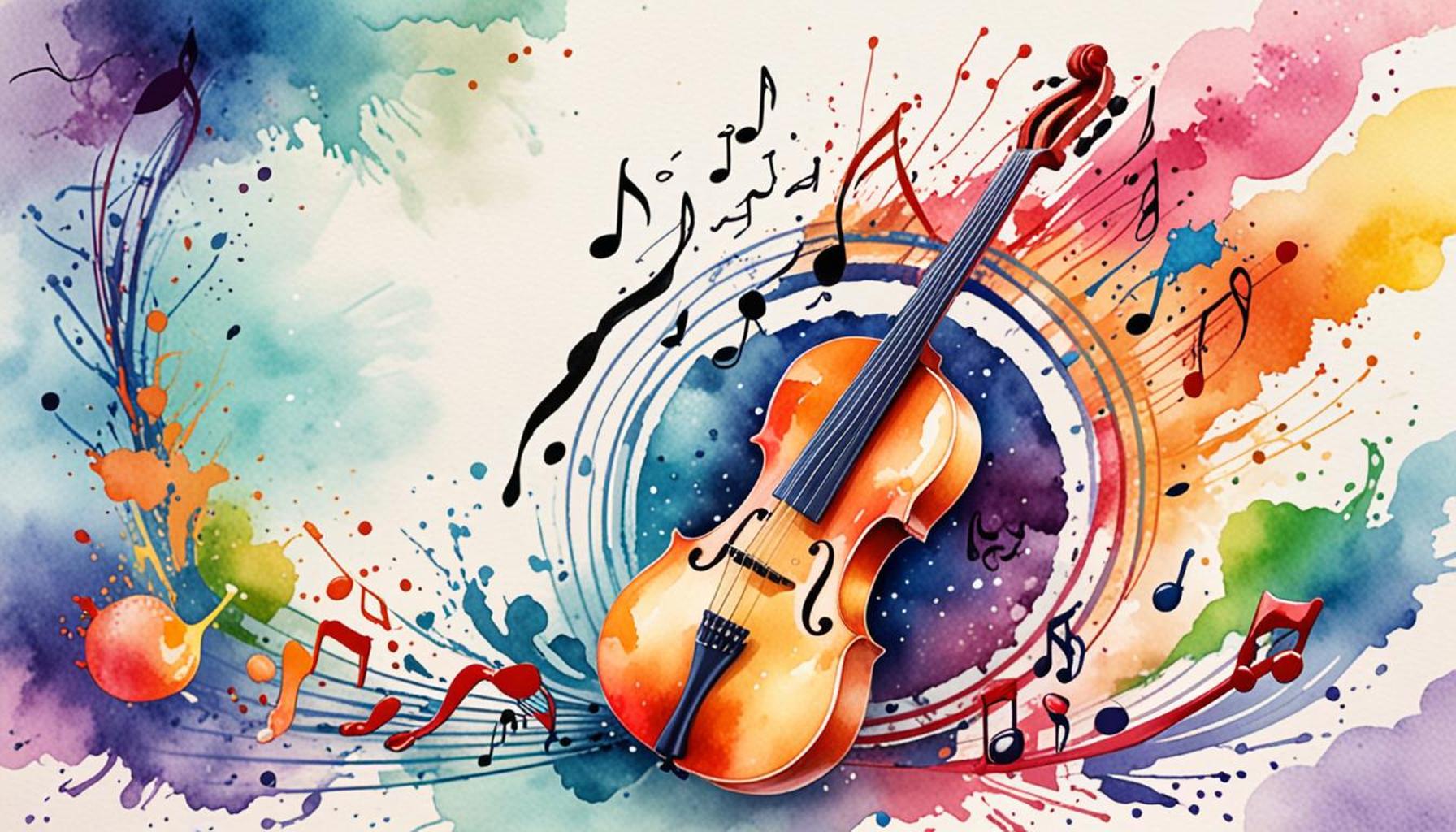
Challenges and Opportunities in Music Composition
Composing music for various media is a dynamic endeavor that intertwines creativity with technical prowess. Musicians face a myriad of challenges and opportunities as they craft soundtracks that resonate with audiences. The journey of a composer can often feel like a balancing act, where artistic vision meets the commercial necessities of the media for which they are creating music. This delicate balance is especially critical in mediums such as film, video games, and advertisements, where music not only supports the visual narrative but also significantly shapes audience engagement.
One of the most significant key considerations for composers is:
- Emotional Impact: Music sets the tone and enhances emotional responses, which can be seen in classic examples such as John Williams’ score for “Star Wars.” The triumphant themes evoke heroism, while softer, more melancholic sequences heighten moments of vulnerability. Composers must tap into the emotional core of the narrative to create music that resonates deeply with audiences.
- Timing and Sync: Synchronizing music with visuals can be intricate, requiring precision akin to a clockmaker’s craftsmanship. For instance, in video games like “The Last of Us,” timing is crucial as the music shifts seamlessly to match the pacing of gameplay, enhancing immersion and player experience. Composers often utilize cues and tempo changes to match on-screen actions, creating a synchronized auditory and visual tapestry.
- Unique Audiences: Different media formats cater to diverse listener preferences. The desires of a teenager watching a YouTube video may vastly differ from those of an adult attending an orchestral concert. Composers must be highly attuned to these variations to create music that speaks to their specific audience, often tailoring their compositions to fit media demographics.
Furthermore, advances in technology have revolutionized the music production landscape, presenting both challenges and fresh avenues for innovation:
- Digital Tools: The rise of software like Ableton Live and Logic Pro has transformed how composers produce music, offering new sounds and editing capabilities. These tools allow artists to experiment with sound design, melding traditional instrumentation with electronic elements, as seen in modern film scores like those for “Dune,” where the synthesis of orchestral and digital sounds creates an otherworldly experience.
- Collaboration: With remote working fast becoming the norm, the nature of collaboration among musicians has evolved. Platforms like Splice and Soundtrap facilitate teamwork, enabling composers from different corners of the globe to work together in real-time. This shift not only opens the door to a diverse array of influences but also brings together unique perspectives that can enrich the final product.
- Market Trends: Understanding the ever-shifting audience tastes is crucial for success. For example, the growth of TikTok has influenced music trends, with many songs gaining popularity through viral dance challenges or sound bites. Composers and marketers must stay ahead of these trends to ensure that their music captures the zeitgeist and resonates widely.
Diving into the world of music for different media means embracing these complexities while exploring new creative frontiers. The most successful composers are those who adapt to this evolving landscape, recognizing that every challenge presents an opportunity for growth and innovation. By effectively merging artistry with technology and audience insight, composers can unlock a wealth of opportunities that ultimately redefine storytelling through sound, leaving a lasting imprint on the collective cultural consciousness.
DISCOVER MORE: Click here for essential tips
Navigating the Complexities of Music Composition
In the realm of media, music serves as a powerful vehicle for storytelling, capable of evoking a wide range of emotions and creating immersive experiences. However, composers face a delicate interplay of challenges and opportunities unique to each medium they work with. From films to video games and commercials, each platform has its own set of demands that require adaptability and deep understanding from the composer. Navigating these complexities can be daunting, yet it offers fertile ground for innovation and creativity.
One of the foremost challenges in creating music for different media is:
- Understanding the Narrative: Composers must grasp not just the storyline but also the subtle nuances of character development and visual pacing. For instance, the dramatic arc in a film must be complemented by the score. In a series like “Stranger Things,” the retro synth sounds not only evoke nostalgia but enhance the eerie atmosphere, capturing the essence of the show’s theme. This necessitates a thorough analysis of context to ensure that each musical cue aligns seamlessly with the unfolding narrative.
- Technical Limitations: Composers often find themselves working within specific technical constraints, be it the length of a scene or the need for seamless transitions. In video games, for instance, tracks might need to loop or shift dynamically based on player choices, such as in “Ghost of Tsushima.” This requires meticulous planning and creativity to craft compositions that can adapt in real-time, ensuring a fluid and engaging user experience.
- Budget Constraints: While technology has made music production more accessible, financial limitations remain a hurdle. Many projects, particularly indie films or independent games, may not afford a full orchestra or high-profile musicians. Composers must often innovate within these constraints, utilizing virtual instruments or creative sampling techniques to deliver a compelling soundtrack without breaking the budget.
Despite these challenges, the landscape of media music composition is brimming with opportunities. Emerging technologies and shifts in consumer behavior have reshaped the way music is created and consumed:
- Advancements in AI and Software: Tools powered by artificial intelligence are emerging in music creation, enabling richer soundscapes and more intricate compositions. Composers can use AI-driven applications to generate ideas, mix sounds, or even create entire tracks based on user input, as seen in projects like Jukedeck and AIVA. While some may see this as a threat, many embrace it as a chance to enhance creativity and broaden their sonic palette.
- Expanding Platforms and Formats: The rise of streaming services, podcasts, and social media has created new outlets for composers to showcase their work. Platforms like Spotify have made it easier for indie artists to distribute their soundtracks, while TikTok serves as a launchpad for songs to go viral, impacting a composer’s visibility and success. This accessibility can lead to unforeseen opportunities, allowing compositions to resonate with wider audiences.
- Interdisciplinary Collaborations: The fusion of music with other art forms—like visual arts or gaming—can yield groundbreaking results. Composers are increasingly working alongside visual artists and game developers, creating holistic experiences that blur the lines between sound and sight, as seen in art installations or immersive theater productions. Such collaborations can bring fresh perspectives and innovative ideas to music composition, ultimately enriching the final product.
In summary, the path of composing music for different media is fraught with obstacles but equally ripe with potential. The most successful composers not only recognize these challenges but leverage them to create evocative soundtracks that elevate narratives and captivate audiences. By navigating this complex landscape with dexterity, composers can redefine the possibilities of storytelling through sound, leaving an indelible mark on the cultural fabric of our time.
Innovative Approaches to Music Creation
When it comes to creating music for different media, composers often confront a landscape filled with both challenges and exciting opportunities. For artists, utilizing technology to create soundtracks can open new channels for creativity. With software and digital instruments, composers can blend genres and produce unique audio experiences tailored specifically to visual content, enhancing storytelling.One notable challenge is the need for versatility. Each medium, whether it be film, video games, or advertising, requires a distinct approach. For instance, video game soundtracks must adapt to player interactions, creating a dynamic rather than a linear listening experience. This demands an understanding of interactive composition techniques and the technology that supports them.Moreover, composers must navigate the intricacies of intellectual property laws, which can vary dramatically between media platforms. As new platforms emerge, the legal landscape becomes more complex. An understanding of these regulations is essential for securing rights for original compositions while avoiding infringement on existing works. Yet, with these challenges arise significant opportunities. The demand for high-quality music in all forms of media has never been greater, offering composers more avenues for work than ever before. Collaborations across different industries can lead to unexpected and groundbreaking projects, pushing the boundaries of what soundtracks can achieve. As trends evolve, a deep understanding of audience expectations plays a critical role in successful soundtrack creation. Composers who embrace change and are willing to experiment have the potential not just to score a film or game but to redefine the very essence of sound in media. This is where true artistic expression shines, inviting listeners to explore narratives in entirely new ways.
| Category | Advantages |
|---|---|
| Multimedia Integration | Facilitates enriched storytelling and emotional depth |
| Diverse Revenue Streams | Access to various markets, increasing consumption and sales |
This convergence of technology and creativity propels the industry forward, allowing musicians and composers to transcend traditional boundaries, thus reshaping the soundscape of modern media. The evolving nature of soundtracks not only enhances viewer experiences but also promises to continuously challenge and inspire new generations of composers.
DON’T MISS: Click here to unlock your creative potential
Embracing Modern Trends in Soundtrack Composition
The evolution of technology and the shifting landscape of media create an ecosystem rich with opportunities for composers. As mediums diversify and audiences become increasingly interactive, the push towards innovation shapes how music is produced and experienced across various formats.
One critical trend reshaping the scene is:
- Interactive Soundscapes: Unlike traditional media, where music follows a linear path, interactive mediums—such as video games and virtual reality (VR)—demand a more dynamic approach. For example, consider games like “The Last of Us Part II,” where the music reacts to gameplay, changing based on player decisions and emotional stakes. This is a new frontier for composers, requiring them to think in layers and develop soundscapes that can evolve in real-time, enhancing player immersion and connection to the narrative.
- Nostalgia and Retrofuturism: Nostalgic sounds have garnered attention in recent years, with retro synthesizers and vintage sound palettes gaining popularity. This trend is evident in media like “Stranger Things,” where its synth-heavy soundtrack taps into a collective memory, bridging generations. Composers have the opportunity to fuse modern elements with retro inspirations to unite diverse audiences, thereby creating soundtracks that feel both fresh and familiar.
- Remote Collaboration: The COVID-19 pandemic propelled remote collaboration efforts to the forefront of music composition. Composers can now work seamlessly with global teams, sharing ideas and tracks through various digital tools. This shift has removed geographical barriers, allowing for a rich exchange of cultural influences that can enhance the final product. Composers like Hans Zimmer have embraced this new normal, employing technology to collaborate with musicians worldwide, leading to diverse musical influences reaching new audiences.
Moreover, the rise of data analytics has started to play a pivotal role in shaping soundtracks. Streaming platforms analyze listener behavior and preferences, providing valuable insights into what resonates with audiences. Composers can harness this data to tailor their work, understanding the nuances of audience engagement. For instance, platforms like Spotify often recommend tracks based on user interactions, enabling composers to create music that aligns with the listening habits of their target demographic.
In addition, the growing influence of social media as a promotional tool offers unmatched visibility for composers. Platforms like TikTok have not only democratized music discovery but also transformed how soundtracks gain traction. A well-placed minute of a compelling score can ignite viral trends, propelling a previously unknown composer into the limelight. Think of how the song “This Is Me” from “The Greatest Showman” caught fire on social media, evolving into an anthem used in celebrations, protests, and everyday life. Composers today must be savvy social media users, understanding how to market their work effectively and engage with listeners.
Finally, composers now have access to a plethora of musical styles and genres due to globalization. A soundtrack can blend influences from different cultures and traditions, creating a rich tapestry of sound. As audiences in the U.S. embrace diverse musical flavors, there’s an opportunity for composers to infuse their work with elements from around the globe, enhancing the narrative and emotional resonance of their projects. This has been witnessed in films such as “Black Panther,” where African musical motifs were celebrated and integrated into the larger cinematic experience.
In exploring these modern trends, composers are positioned not just as creators of music but as integral contributors to the broader narrative landscape. As they embrace the challenges of innovation and audience engagement, they pave the way for soundtracks that are not only memorable but also profoundly impactful. The interplay between technology, culture, and artistry continues to redefine the boundaries of what a soundtrack can achieve in the ever-evolving realm of media.
DISCOVER MORE: Click here to dive into the ultimate guide
Conclusion: Navigating the Future of Soundtrack Creation
In today’s rapidly evolving media landscape, the role of composers extends far beyond traditional boundaries. With advancements in technology and the growing demand for immersive experiences, music for different media presents both unique challenges and exciting opportunities. As composers embrace interactive soundscapes, they redefine how audiences engage with narratives, fostering deeper emotional connections through music that adapts in real-time.
The resurgence of nostalgic sounds offers another pathway for artists to resonate with listeners, bridging generational divides and blending past and present. The ongoing trend of remote collaboration has enabled composers to draw from a wealth of global influences, enriching their soundtracks with diverse perspectives that reflect our interconnected world. Meanwhile, the insights provided by data analytics equip composers with an understanding of audience preferences, guiding them in crafting memorable scores that captivate listeners.
With the power of social media, emerging composers find innovative ways to share their work, increasing visibility and garnering instant feedback that wasn’t possible before. As soundtracks become viral sensations, they not only shape our cultural landscape but also amplify the voices of new talent. Finally, the embrace of global musical genres encourages composers to blend influences, crafting rich auditory experiences that resonate across cultures.
In the face of these dynamic shifts, composers must remain adaptable and forward-thinking, ready to embrace the challenges that lie ahead. By doing so, they have the opportunity to create soundtracks that are not only integral to the stories they accompany but also stand as significant contributions to the evolving art of multimedia storytelling. As we look to the future, one thing is clear: the art of creating music for different media will continue to inspire and transform the cultural tapestry of our time.
Related posts:
The influence of personal experiences on musical composition: transforming experiences into art
The Evolution of Musical Creation: How Technology Is Transforming the Creative Process
Exploring Technologys Impact on Music Creation Modern Tools Trends
The Influence of Social Media on Music Creation: Connecting Artists and Audiences
Music as Therapy: Exploring the Emotional Benefits of Musical Creation in Hobbies
Discover Musical Composition Beginner Techniques Boundless Creativity
Linda Carter is a writer and creative hobbies expert specializing in crafting, DIY projects, and artistic exploration. With extensive experience helping individuals discover their creative potential and bring their ideas to life, Linda shares her knowledge on our platform. Her goal is to empower readers with practical tips, inspiring ideas, and step-by-step strategies for success in the world of creative hobbies.