Boost Creativity Develop Craft Skills with Regular Practice

Unleashing Your Inner Artist
In a world filled with constant distractions, many are turning to creative hobbies to find solace and express themselves. **Crafting is not only therapeutic but also a way to boost creativity** and foster innovation. Through regular practice, individuals can develop skills that transform simple materials into remarkable works of art.
The Importance of Regular Practice
Engaging in creative pursuits such as knitting, painting, or woodworking offers numerous benefits, including:
- Enhanced problem-solving abilities
- Increased focus and concentration
- Improved fine motor skills
These activities allow your mind to wander and evolve, which can lead to **unexpected bursts of inspiration**. As you deepen your craft, you’ll find that each project becomes a stepping stone towards greater **imagination and self-expression**.
What Lies Ahead
In this article, we will explore the **Top 5 crafts** that not only enhance your skills but also nourish your creativity. Each craft promises unique experiences that can reinvigorate your passion and help you unlock your artistic potential.
Top 5: Developing Craft Skills – How Regular Practice Can Enhance Your Creativity
Crafting transcends mere hobby status to become a powerful avenue for enhancing creativity across various domains. Whether you’re delving into knitting, woodworking, or any other craft, each offers a distinct set of challenges and inspirations. Regular practice emerges as a crucial element in refining these skills, leading to the discovery of novel creative dimensions. In this article, we delve into the top five ways dedicated practice in crafting can significantly elevate your creativity levels, opening doors to uncharted territories of imagination and innovation.
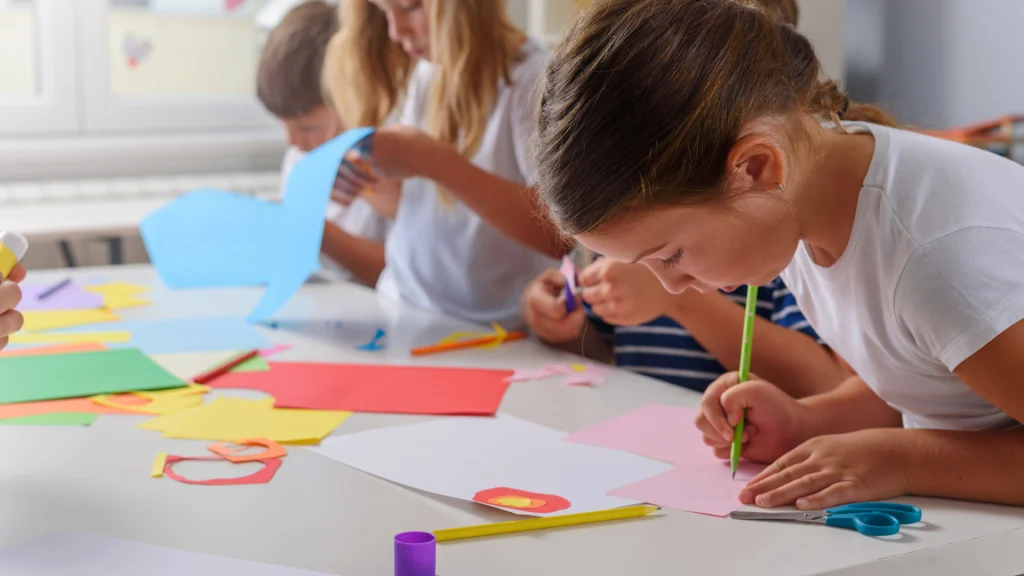
5. Escape from Routine
In the hustle and bustle of modern life, routines can often confine creative thinking within predefined boundaries. The ritualistic nature of daily tasks can stifle imagination, creating barriers to uninhibited creative expression. Engaging in regular crafting acts as a refreshing antidote to monotony and presents an opportunity to escape from your routine. It breaks the shackles of ordinariness and rejuvenates the mind.
Crafting involves experimenting with new materials and techniques, pushing you out of comfort zones. For instance, an individual adept in painting might venture into pottery, feeling the distinct texture of clay mould in their hands. Similarly, someone familiar with sewing may explore the tactile nature of woodworking, discovering joy in carving intricate designs. Such cross-disciplinary experimentation stimulates fresh ways of thinking and problem-solving, awakening dormant realms of creativity.
4. Development of Fine Motor Skills
Beyond its artistic value, crafting profoundly engages the physical through the precise and intentional use of hands, fostering the development of fine motor skills. These skills are fundamental to diverse creative endeavors. Regular interaction with crafting tools and materials enhances hand-eye coordination and precision, crucial competencies in the crafting world.
Consider the delicate art of stringing beads where each meticulous placement fine-tunes dexterity, or the careful maneuvering involved in embroidery, where every stitch demands specific control and detail. Wood carving requires an artisan to deftly navigate tools along a block of wood, a skill gradually honed over time. As these skills develop, they charge your creative toolkit with the ability to delve into more intricate designs and artistic flair. The possibilities manifest into more daring projects, transforming the artistic process into a form of fine choreography.
3. Problem-Solving Opportunities
Encountering challenges is intrinsic to the crafting process, often transforming ordinary projects into exceptional learning experiences. Crafting is synonymous with encountering and solving a myriad of unique problems, making it ripe with problem-solving opportunities. Whether it’s resolving a discrepancy in measurements or fixing a misaligned component, each challenge enhances the brain’s ability to think critically and creatively.
Regular engagement with such hurdles cultivates resilience and adaptability, attributes that extend well beyond crafting. Craft enthusiasts often describe this as developing a ‘crafty mindset,’ which can be applied to varied life situations. When faced with a dilemma, you begin viewing obstacles as opportunities for creative solutions rather than insurmountable barriers, enriching your mental toolkit with strategies applicable well outside the crafting domain.
2. Boosting Confidence through Mastery
Confidence often serves as the linchpin for creative exploration and expression. Immersing deeply into a craft fosters a strong sense of achievement as you refine your skills. As you witness tangible improvements in your craftsmanship, your confidence naturally bolsters, influencing how you approach creative challenges.
This newfound assurance inspires bolder undertakings, encouraging you to venture into creative territories with reduced fear of failure. For instance, a potter might experiment with unconventional shapes and forms, confident in their technical prowess. This cycle of mastery and confidence facilitates a deeper exploration into innovative ideas, gradually contributing to a more expansive and enriched creative practice.
1. Connection to Community and Inspiration
An often overlooked yet profoundly rewarding aspect of crafting is the connection to community and inspiration it provides. Engaging with fellow crafters creates a vibrant exchange of ideas, methodologies, and insights that fuels individual and collective creativity. Whether through local crafting meetups or online forums, these connections forge a sense of belonging and motivation that solo crafting might lack.
Within these communities, inspiration is both given and received, fostering a collaborative environment where creativity thrives. Displaying your creations and receiving constructive feedback nourishes your artistic journey. The act of sharing, celebrating successes, and even learning from setbacks enhances creative growth. Thus, the crafting community acts as both a springboard and a safety net, offering support and innovation in equal measure.
In Conclusion
The crafting journey extends far beyond simply creating tangible items; it’s about developing skills, boosting creativity, and fostering community connections. Whether you’re a budding beginner or a seasoned artisan, integrating regular practice into your crafting routine can profoundly affect your creative journey, unraveling new pathways of artistic exploration. So, gather your tools, immerse in the creative process with others, and witness your creativity flourish in unforeseen ways. Here’s to crafting a more imaginative future!
| Category | Description |
|---|---|
| Skill Development | Regular practice enhances fine motor skills and hand-eye coordination, allowing individuals to execute intricate designs and techniques with greater ease. |
| Problem Solving | Engaging in crafts often involves overcoming challenges, which fosters a strong sense of resourcefulness and adaptability in finding solutions. |
| Emotional Well-being | Crafting serves as a creative outlet, reducing stress and anxiety, contributing to overall mental health and well-being through the act of creation. |
| Community Engagement | Participating in crafting groups can enhance social connections, providing opportunities to share ideas, learn from others, and collaborate on projects. |
In exploring the advantages of honing crafting skills through regular practice, it is essential to recognize the significant impact on personal creativity and overall quality of life. Each dimension of this craft not only serves to enhance individual abilities but also fosters a deeper connection to the artistic community.Firstly, the journey of skill development encompasses more than just learning a specific craft technique. By consistently creating, individuals naturally improve their abilities, navigating complex tasks that require concentration and precision. This honing of skills paves the way for more elaborate projects, ultimately empowering crafters to push their creative boundaries further.Moreover, the art of crafting frequently presents moments of problem solving. Whether grappling with the right composition in a painting or figuring out how to assemble various materials, the challenges that arise compel crafters to think critically. Engaging with these scenarios bolsters mental agility and encourages innovative solutions, which are paramount not just in crafting but across various life situations.While the technical aspects are vital, equally important is the role crafting plays in enhancing emotional well-being. The act of creating can serve as a sanctuary, a coping mechanism that harnesses the therapeutic nature of art. For many, immersing themselves in crafting can lead to a meditative state, as they focus on the tactile experience, allowing stress and worries to dissipate momentarily. There’s potent evidence suggesting that these creative expressions contribute significantly to mental health outcomes.Lastly, crafting is not an isolated endeavor. Engaging in this art form frequently requires interaction with others through workshops, online forums, and community clubs. This community engagement cultivates relationships and nurtures an environment ripe for collaboration. By sharing techniques and receiving feedback, individuals often find not just camaraderie but also inspiration that ignites their creative spark further.Thus, as one embarks on the journey of developing craftsmanship, the benefits transcend the act of making. Each stroke, stitch, or arrangement not only enriches the individual’s skill set but also fosters creativity, nurtures mental health, and builds connections within a welcoming community. The multifaceted aspects of crafting reveal a profound depth to this seemingly simple practice, stirring an urge to explore its innumerable possibilities.
Frequently Asked Questions About Craft Skills Development
What are the benefits of developing craft skills through regular practice?
Regular practice in crafting can unlock numerous benefits. It enhances manual dexterity, improves problem-solving abilities, and encourages innovative thinking. By engaging in hands-on activities, individuals can foster a deeper understanding of creative processes and enjoy a sense of accomplishment from tangible outcomes. Consistent crafting also helps in reducing stress and promoting mental clarity, making it a valuable practice for overall well-being.
How can crafting influence my creativity?
Crafting acts as a catalyst for creativity by providing a platform where trial and exploration are encouraged. It allows individuals to experiment with various materials and techniques, leading to the discovery of unique styles and solutions. This practice not only enhances one’s creative abilities but also builds confidence in expressing ideas in visual and tangible forms. Moreover, frequent crafting sessions open the mind to new perspectives and inspire out-of-the-box thinking.
What types of crafts should I start with to improve my skills?
Beginner crafters are encouraged to start with simple projects that don’t require advanced tools or techniques. Activities such as knitting, crocheting, or simple woodworking can provide a steady learning curve. As skills improve, progressing to more complex tasks like pottery, quilting, or jewelry making can further challenge the creative mind and enhance proficiency. Selecting projects that align with personal interests will make the learning process enjoyable and motivational.
How often should I practice crafting to see improvements?
The frequency of crafting sessions can greatly influence the rate of improvement. Engaging in crafting activities at least a few times a week can yield noticeable enhancements in skills and creativity. The key is to maintain a balance between regularity and enthusiasm without overwhelming oneself. Setting aside time for consistent practice allows for steady progress and the gradual honing of crafting abilities.
Can crafting be learned at any age?
Absolutely! Crafting is an accessible and rewarding activity for individuals of all ages. While the approach and complexity of projects might differ based on age and experience level, the fundamental pleasure and growth derived from crafting remain unchanged. Young learners can develop fine motor skills, while older individuals can engage in crafting to remain mentally active and creatively fulfilled. It is a lifelong skill that promotes continuous learning and joy.
Conclusion: Elevating Creativity Through Regular Practice
As we’ve explored throughout this article, the journey of developing craftsmanship skills does not only hone one’s ability to create tangible items but also significantly boosts creative thinking. Engaging in regular practice enhances the ability to think outside the box, offering new perspectives on problem-solving and innovation.
Main Takeaways
Firstly, practicing crafting encourages a mindset of continuous learning. Regular engagement in crafting activities requires individuals to adapt, learn, and perfect new techniques. This perpetual learning enhances cognitive flexibility, which is essential for creative thought processes.
Secondly, the discipline instilled by regular crafting sessions fosters patience and perseverance. These qualities are crucial as they instill a resilience that transfers to other creative endeavors, encouraging persistence even when creativity ebbs.
Furthermore, crafting in a community setting provides an invaluable exchange of ideas and inspiration. By participating in groups or workshops, individuals gain exposure to diverse artistic styles and thought processes, enriching their own creative repertoire.
- Continuous Learning: Cultivating new skills and techniques enhances cognitive flexibility.
- Discipline and Perseverance: Regular practice instills patience and resilience, key components of creative success.
- Community Engagement: Sharing and learning within a community fosters idea exchange and inspiration.
In conclusion, devoting time to regular crafting practices is more than an artistic pursuit; it is a transformative exercise that expands creativity and enriches personal development. By understanding the broader implications of these activities, individuals are empowered to integrate crafting not only as a hobby but also as a lifelong tool for creativity enhancement. As we embrace the crafting journey, a world of endless creative possibilities unfolds, inviting us to explore and innovate without boundaries.
Related posts:
The Role of Online Communities in Learning Craft Skills
Sewing Techniques for Beginners: Tips for Creating Sustainable Fashion Projects
Craftsmanship and the Importance of Personal Narrative: Telling Stories Through Creation
The Art of Repurposing: Transforming Common Materials into Unique Craft Pieces
Crafting Skills Vital for Therapy and Emotional Well-Being Impact
Crafting for Beginners: Step by Step to Awaken Creativity

Linda Carter is a writer and creative hobbies expert specializing in crafting, DIY projects, and artistic exploration. With extensive experience helping individuals discover their creative potential and bring their ideas to life, Linda shares her knowledge on our platform. Her goal is to empower readers with practical tips, inspiring ideas, and step-by-step strategies for success in the world of creative hobbies.