The Influence of Digital Design on Fashion: Creating Unique Styles for Creative Hobbies
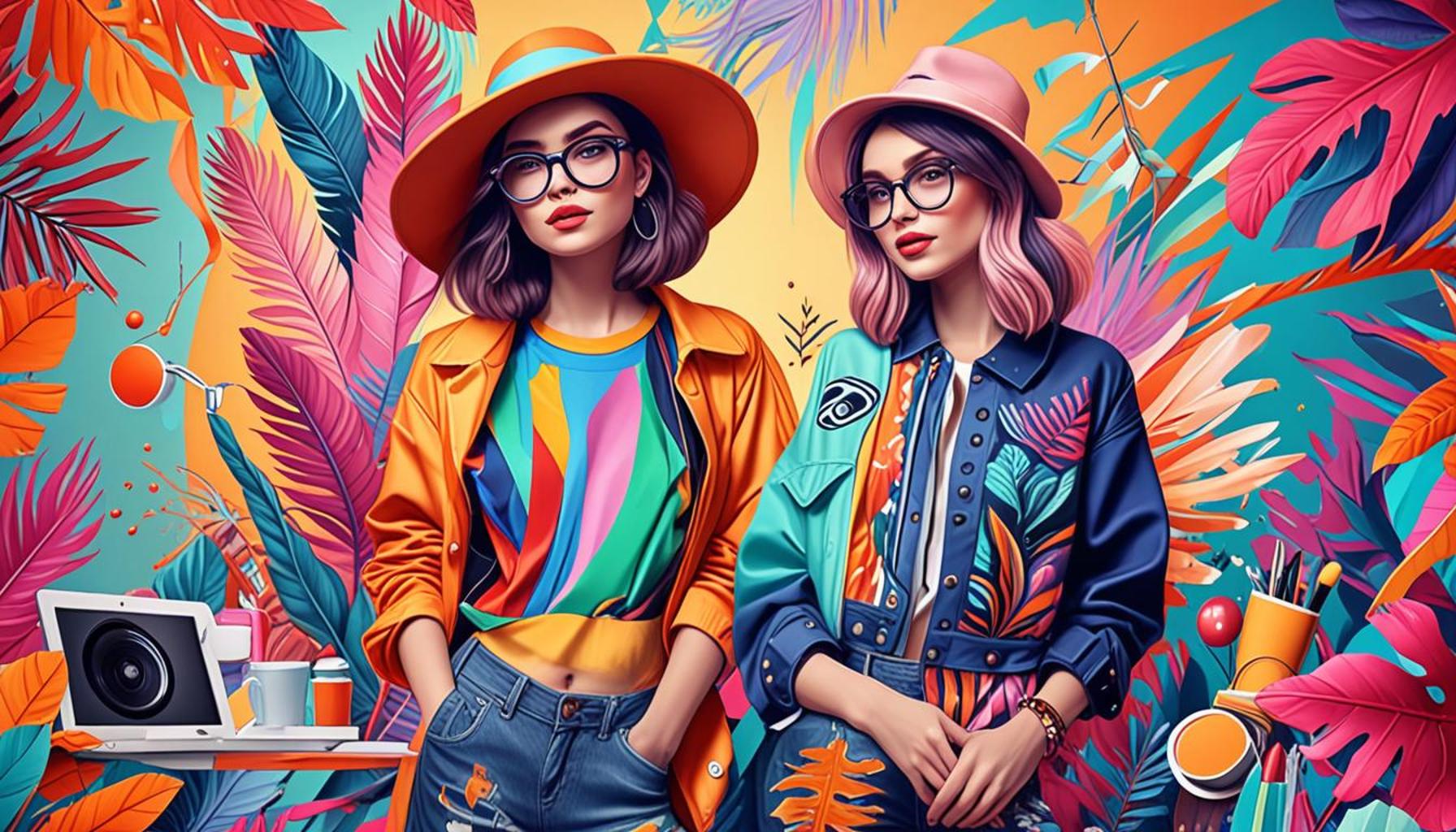
Unveiling Innovation in Fashion
The fusion of digital design and the fashion industry is not merely a passing trend; it represents a significant shift that has transformed how garments are conceived, created, and consumed. As technology continues to advance, both established designers and enthusiastic hobbyists are seizing the opportunity to infuse creativity and personalization into their wardrobe choices.
Tools such as 3D modeling software and digital printing are at the forefront of this evolution. These technologies empower users to dive into the intricate details of fashion design, enabling them to manipulate everything from texture to fit. With just a few clicks, designers can visualize their ideas in a virtual space, reducing the time and resources needed for prototyping.
- Customization: Individuals can tailor garments to not only their specific measurements but also their unique aesthetic preferences. For instance, a small-business owner might use digital design to create a limited-edition collection that reflects the local culture of their community, lifting designs straight from inspiration found in nearby urban art.
- Accessibility: The barriers to entry have significantly lowered for aspiring creators. Platforms such as Canva or Adobe’s Creative Cloud provide user-friendly interfaces for less experienced designers to bring their visions to life without the need for elaborate formal training or costly design school tuition. Online courses and tutorials also offer guidance, making fashion design accessible to a more diverse audience.
- Experimentation: Cutting-edge technology allows for daring explorations of style that traditional methods could not accommodate. Features like virtual try-ons enable consumers to experiment with bold patterns and textures digitally before committing to a purchase. This not only fosters creativity but also helps reduce fabric waste, aligning with increasing sustainability trends in the fashion industry.
The implications of these innovations extend beyond professional realms and invite everyday enthusiasts into the conversation. For instance, platforms like Etsy have witnessed a surge in sales from independent designers who utilize digital tools to create and market their unique pieces. The democratization of fashion encourages individuals to showcase their personal artistic expressions, mixing and matching styles for truly one-of-a-kind outfits.
As we continue to investigate this fascinating realm, it becomes evident that the realm of digital design is continuously reshaping fashion trends, enhancing creative expression, and allowing makers to produce standout styles that reflect the vibrant culture of creativity across the United States. This dynamic interplay between technology and fashion not only cultivates an environment where individuality flourishes but also redefines our understanding of personal style in a rapidly changing world.
DISCOVER MORE: Click here for essential insights

Revolutionizing Personal Expression
In a world where individuality and personal style reign supreme, the role of digital design in the fashion industry has become a game changer. No longer confined to traditional design houses, the digital realm has unlocked a plethora of creative avenues for fashion enthusiasts, hobbyists, and aspiring designers alike. This transformation is fueled by diverse technologies that allow individuals to explore their creative potential with unparalleled ease and accessibility.
At the heart of this revolution is the concept of customization. With digital tools like 3D modeling software, hobbyists can create garments tailored to their exact measurements and aesthetic desires. For example, a designer may utilize such software to draw inspiration from the rich tapestry of American street fashion, crafting unique pieces that speak to local culture and community. This trend not only exemplifies personal expression but also empowers individuals to stand out in an industry often criticized for its lack of diversity.
Moreover, the emergence of digital printing technology has further broadened the horizons for creators. Artists can experiment with vibrant colors and intricate patterns that bring their creative visions to life without the hefty financial burden often associated with traditional screen printing methods. By harnessing these innovations, makers can produce small-batch collections that showcase unique styles, reducing waste and promoting sustainability – a movement increasingly vital in today’s fashion landscape.
Breaking Barriers to Entry
The democratization of fashion design extends well beyond professional designers. With platforms like Adobe Creative Cloud and even DIY resources such as Canva, aspiring creators can easily navigate the world of digital design without extensive training or significant investment. This accessibility is reshaping the industry, fostering a new generation of fashion designers who emerge from various backgrounds and skill levels.
Additionally, online resources, including video tutorials and step-by-step guides, have flourished, allowing anyone with a passion for fashion to start creating. As a result, we see a vibrant community of independent makers and artists who are transforming the fashion landscape, showcasing their unique styles on online marketplaces such as Etsy. This shift not only enhances personal expression but also stimulates local economies as unique brands thrive.
Encouraging Experimental Designs
Perhaps one of the most exciting aspects of the influence of digital design is its ability to facilitate experimentation. Virtual try-on features and augmented reality applications allow consumers to explore outfit combinations and diverse style choices without the limitations of physical constraints. This innovation encourages users to break free from conventional fashion norms, leading to a more adventurous approach to personal style.
As we continue to explore these themes, it is clear that digital design serves as a canvas for creativity, enabling designers of all levels to craft garments that reflect their unique identities. The impact of technology on fashion design not only redefines aesthetics but also paves the way for a more inclusive and sustainable industry – one where every individual, regardless of their background, can embrace their personal style and make a statement through fashion.
| Category | Key Features |
|---|---|
| Digital Fabric Printing | Allows for custom designs and color variations |
| 3D Design Software | Enables visualization and prototyping of fashion pieces |
| Sustainable Practices | Reduces fabric waste through precise cut designs |
| Online Marketplaces | Facilitates the sale of custom designs to a global audience |
The realm of fashion is rapidly evolving, and the influence of digital design plays a pivotal role in shaping unique styles for creative hobbies. Innovations such as digital fabric printing have revolutionized how designs are applied to textiles. This technology not only allows for exciting custom designs but also supports a wide spectrum of color combinations, empowering hobbyists to express their creativity.Furthermore, the advent of 3D design software brings a new dimension to fashion design, enabling creators to visualize and prototype their pieces before actual production. This capability fosters a deeper connection between the designer’s vision and the final product.Interestingly, sustainability is now at the forefront of fashion design, aided by digital techniques that significantly reduce fabric waste through precise cut patterns. As designers adopt these practices, they contribute to a more sustainable fashion industry, which is increasingly important to environmentally-conscious consumers.Additionally, the rise of online marketplaces has democratized fashion, allowing individual designers to reach a global audience. With just a click, creators can showcase their unique styles, harnessing the power of technology to build their brand and connect with like-minded individuals passionately pursuing their creative hobbies. This transformative wave of digital influence is continually redefining the boundaries of fashion.
DISCOVER MORE: Click here to delve into the evolution of musical creation
Navigating the Virtual Marketplace
The impact of digital design on fashion extends beyond creation; it also influences how unique styles are marketed and sold. The rise of online marketplaces has transformed the retail landscape, providing independent creators with platforms to showcase their designs to a global audience. Websites like Etsy, Redbubble, and Society6 have become vital hubs for entrepreneurs to sell products without the overhead costs of a physical storefront.
This digital environment encourages creativity and entrepreneurship, allowing artisans to connect directly with consumers interested in bespoke and handmade items. The process is seamless: designers can set up their shops, upload high-resolution images of their creations, and even share their stories to build brand identities that resonate with potential buyers. Such transparency fosters a personal connection, generating customer loyalty that traditional retailers often struggle to achieve.
Harnessing Social Media’s Power
Moreover, social media platforms, particularly Instagram and Pinterest, play a pivotal role in the promotion of individual styles. These platforms function as vast visual repositories where designers can showcase their work and interact with followers in real-time. By integrating engaging content—such as tutorials, behind-the-scenes glimpses, and user-generated content—designers not only build a community but also gain invaluable feedback that can drive their creative processes.
Furthermore, influencers and micro-influencers are emerging as powerful allies for independent designers. By collaborating with social media figures, creators can tap into niche markets and expand their reach, often leading to spikes in engagement and sales. This organic promotion highlights the shift from traditional advertising to more relatable and personalized methods of reaching consumers, ultimately allowing smaller brands to thrive amidst larger competitors.
Integrating Sustainability in Design Choices
The increasing concern about sustainability and ethical fashion practices is also notably influenced by digital design. Tools such as computer-aided design (CAD) and digital pattern-making software empower designers to minimize waste by allowing them to create precise patterns that can maximize fabric use. This attention to detail ensures fewer materials are wasted during production and paves the way for more environmentally friendly practices in fashion.
Moreover, a shift towards digital fashion is evident through endeavors such as virtual clothing and digital fashion shows. Platforms like The Fabricant and DressX are showcasing entirely digital collections, allowing users to purchase outfits that exist only online. These innovations demonstrate a commitment to reducing the environmental footprint of clothing production while still delivering creative and expressive designs that speak to the digital-savvy consumer of today.
As technological advancements continue to reshape the landscape of fashion, the potential for creativity within this space appears limitless. By embracing the opportunities provided by digital design, both emerging and seasoned designers can navigate various markets effectively, create exceptional pieces, and participate in a more inclusive and sustainable fashion ecosystem. This ongoing evolution invites exploration, adaptability, and, most importantly, an unwavering commitment to personal expression within the fashion world.
DISCOVER MORE: Click here to dive deeper
Conclusion
In conclusion, the influence of digital design on fashion is both profound and transformative, offering an array of opportunities for creators in various fields. As we have explored, this digital age allows for unprecedented levels of creativity, enabling designers to express their unique styles while fostering a deeper connection with their customers. The rise of online marketplaces and social media platforms not only democratizes access to the fashion industry but also empowers individual creators to thrive independently, without relying on traditional retail channels.
Moreover, the integration of sustainability into design practices through tools like computer-aided design (CAD) is a promising step towards ethical fashion, demonstrating that creativity can coexist harmoniously with environmental consciousness. The emergence of virtual clothing and the exploration of digital collections illustrate a forward-thinking approach that resonates with eco-aware consumers eager for innovation.
As we navigate this evolving landscape, it is evident that the fusion of technology and fashion invites endless possibilities for creative hobbies. Those eager to dive into this vibrant world should consider the myriad resources available, from design software to online communities that nurture collaboration and skill enhancement. The essence of personal expression continues to flourish as digital design liberates creators to explore their passions in ways that were previously unimaginable, ultimately reshaping the fabric of the fashion industry for future generations.
Related posts:
Future Trends in Digital Design: What to Expect in the Coming Years for Creative Hobbies
Exploring Digital Painting: Techniques and Styles for Amateur Artists
Digital Design and Entrepreneurship: How to Create an Impactful Visual Brand
Free Tools and Software for Beginners in Digital Design: Tips and Resources
Practical Tips for Beginners in Digital Design: Essential Tools and Techniques
Master Digital Design Tools From Beginner to Pro Guide
Linda Carter is a writer and creative hobbies expert specializing in crafting, DIY projects, and artistic exploration. With extensive experience helping individuals discover their creative potential and bring their ideas to life, Linda shares her knowledge on our platform. Her goal is to empower readers with practical tips, inspiring ideas, and step-by-step strategies for success in the world of creative hobbies.