The Role of Digital Design in Visual Narrative: Telling Stories Through Digital Art
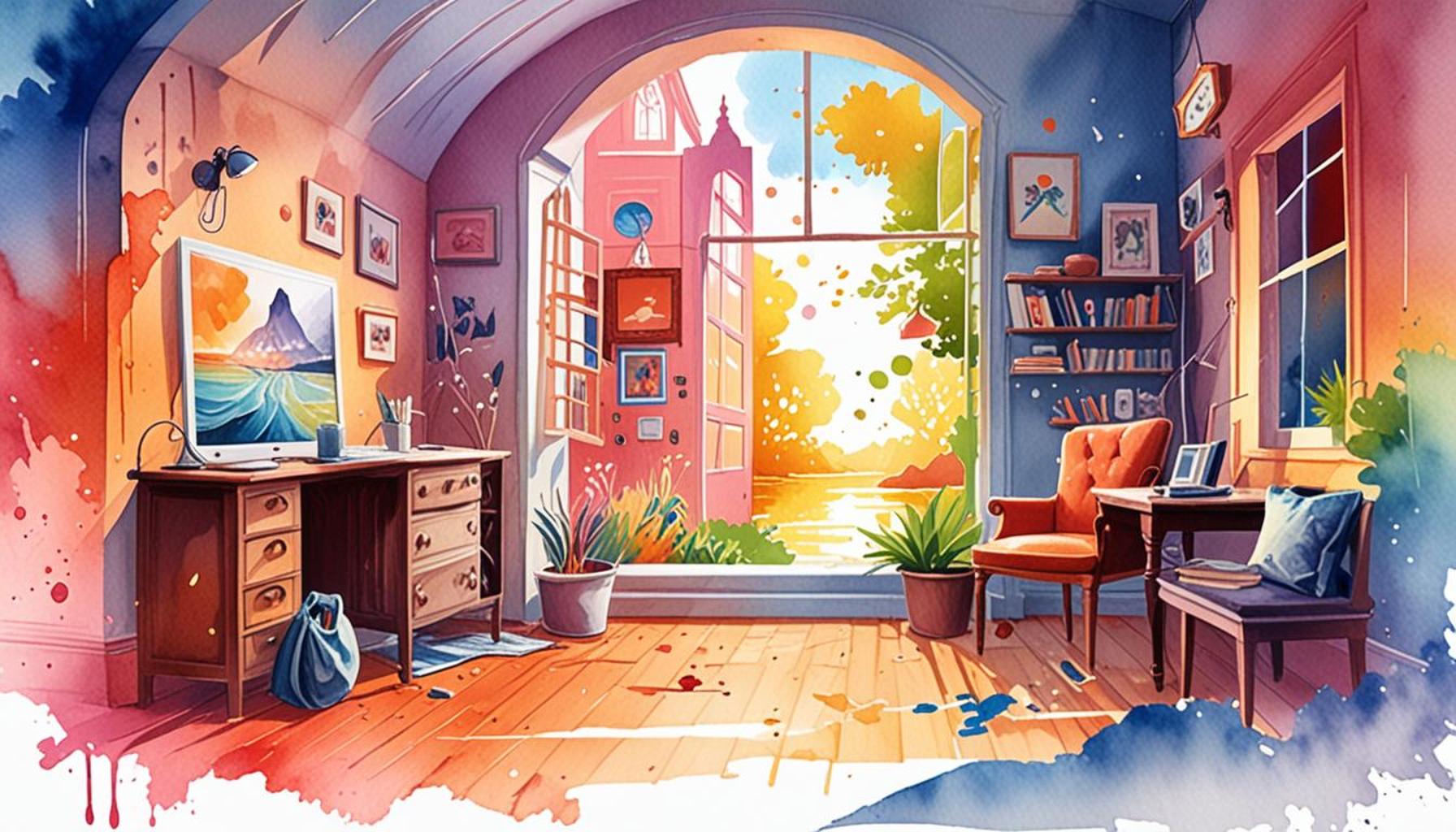
The Digital Canvas of Storytelling
In a world where attention spans are fleeting, digital design has emerged as a powerful tool for storytelling. It bridges the gap between art and narrative, allowing creators to communicate ideas and emotions in innovative ways. The examination of technology’s integration with artistic expression reveals how visual narratives can be crafted to engage audiences like never before.
The Rising Importance of Digital Art
- Visual storytelling has transformed dramatically with the advent of digital platforms such as social media, video streaming services, and interactive websites.
- Artists and designers now have access to cutting-edge tools like Adobe Creative Suite, 3D modeling software, and game engines that enable dynamic, interactive storytelling.
- Engaging graphics and well-crafted visuals can evoke stronger emotional responses from viewers, making an impact far beyond traditional media.
Digital design is not just about aesthetics; it plays a critical role in enhancing the narrative. Here are some key aspects of this relationship:
- Interactivity: Viewers can engage with stories in ways that influence outcomes and experiences. Consider video games like “The Last of Us,” where player choices directly affect the narrative direction, immersing participants in the story like never before.
- Multi-dimensionality: Digital platforms allow for layers of information to be presented simultaneously, giving audiences a richer understanding of the context. For instance, interactive documentaries like “From the Sea to the Land Beyond” combine video, animation, and sound to explore complex themes and narratives, inviting viewers to dive deeper.
- Accessibility: Digital art can reach a wider audience, transcending geographical boundaries. Independent creators can share their work globally via platforms like YouTube and Instagram, making it easier for diverse voices to be heard. This democratization of art allows storytelling to flourish across cultures and communities.
As we delve deeper into the digital design’s impact on visual narratives, the potential for storytelling in this medium becomes increasingly clear. By harnessing technology, artists are redefining how stories are told and experienced, inviting us to explore a universe rich in imagination. For example, platforms like Netflix are utilizing immersive storytelling tactics to create interactive films, such as “Black Mirror: Bandersnatch,” where viewers can choose their paths within the narrative, effectively making them co-creators of the story.
In a rapidly evolving digital landscape, the fusion of technology and creativity continues to redefine the boundaries of storytelling. With each new development, artists are challenged to push the limits of their craft, compelling audiences to participate in the art of narrative in ways that engage, inspire, and provoke thought.
DISCOVER MORE: Click here to learn about the healing power of art
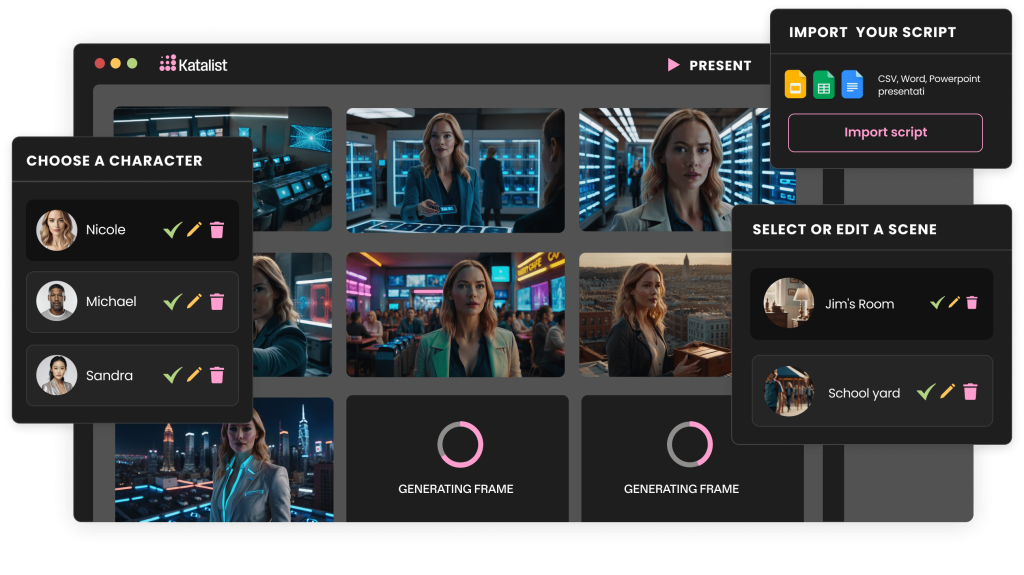
Bridging Art and Emotion Through Design
The intersection of digital design and storytelling serves as a fertile ground for expressing complex emotions and ideas. In an era where digital narratives have become more prominent, the ability to combine visual elements with compelling storytelling has transformed the way creators communicate with their audiences. This fusion of art and narrative not only captivates viewers but also fosters a deeper engagement with the material.
Elements of Digital Storytelling
- Visual Cohesion: One of the hallmarks of effective digital narratives is visual cohesion. Designers carefully select colors, typography, and imagery that work harmoniously to create an immersive environment. For instance, a short film may use a muted color palette to evoke a sense of nostalgia, contrasting it with vibrant visuals to highlight moments of joy. This thoughtful curation of elements enhances the overall storytelling experience.
- Motion Graphics: The introduction of motion graphics has revolutionized how stories are presented. They bring static images to life, adding depth and dynamism to narratives. Consider the powerful storytelling in films like “Spider-Man: Into the Spider-Verse,” where the animation techniques blur the lines between comics and cinema. This synergy of motion and design amplifies emotional responses and creates memorable experiences.
- Sound Design: An often overlooked aspect of digital storytelling, sound design plays a crucial role in shaping viewers’ perceptions. Combining visual elements with soundscapes—such as ambient noises, dialogues, and music—creates multi-sensory experiences that resonate on a deeper level. In interactive projects, sound cues can guide the audience’s choices, enriching their journey through the narrative.
- Responsive Design: Digital platforms allow for responsive design, ensuring narratives adapt to various devices and formats. Whether on a smartphone, tablet, or desktop, the story remains engaging across multiple screens. This adaptability is vital in holding the attention of modern audiences who consume content on the go.
The capacity of digital design to enhance the storytelling process goes beyond aesthetics; it invites audiences to participate actively in the narrative. The rise of platforms like TikTok and Instagram Stories has opened avenues for users to create their own visual narratives, blurring the lines between creator and consumer. This shift towards user-generated content has engendered a fresh form of storytelling where everyone can have a voice and share their experiences dynamically.
Moreover, digital design empowers traditional mediums such as graphic novels and animations. Artists can experiment with new formats and styles, pushing creative boundaries to tell age-old stories in innovative ways. The resurgence of interest in graphic storytelling, evident in works like “Lore Olympus,” demonstrates how digital adaptations can bring classic tales to life for a new generation, blending visual artistry with contemporary themes.
As we explore further into the realms of digital design and visual narratives, it becomes apparent that technology is not merely a tool but a vital partner in storytelling. By harnessing the capabilities of digital art, creators can engage audiences in transformative ways, inspiring them to think critically and connect emotionally with the narratives presented.
Digital design plays an undeniably crucial role in shaping the visual narratives we encounter in today’s multimedia landscape. As we delve deeper into this topic, it becomes apparent that digital art transcends mere aesthetic appeal; it is a sophisticated medium through which artists convey powerful stories, emotions, and cultural messages.The first noteworthy aspect is the phenomenon of interactive storytelling. With the advent of technologies such as virtual reality (VR) and augmented reality (AR), artists can create immersive experiences that invite the audience to participate actively in the narrative. This level of engagement not only enhances the enjoyment of the art but also deepens the connection between the viewer and the story being told. For example, VR environments allow users to step inside a story, exploring different facets and influencing outcomes, thereby making the narrative experience highly personal and unique.Moreover, the rapid evolution of digital tools has empowered artists to experiment with various styles and techniques, resulting in increasingly innovative forms of expression. Techniques such as animation and the use of dynamic visuals allow storytellers to present complex ideas and timelines that may be challenging to convey through traditional mediums. By combining graphics, motion, and sound, digital designers can weave intricate tales that captivate audiences across diverse platforms, from social media to dedicated art installations.Accessibility is another vital advantage that digital design offers to visual narratives. Unlike traditional art forms that may be confined to galleries or museums, digital art can reach a global audience through the internet. This democratization of art allows stories from various cultures and backgrounds to be shared widely, fostering a richer understanding of diverse human experiences. Artists can now share their messages with people around the world, sparking conversations and connections that might not happen in a more conventional setting.Ultimately, the role of digital design in visual narration is a testament to the evolving nature of storytelling itself. As technology continues to advance, the possibilities for creative expression and audience engagement will only expand, encouraging us to think beyond our current perceptions of art and its capabilities. In this burgeoning field, artists can harness the various dimensions of digital design not just to tell stories but to invite viewers to live them. As such, the dialogue between art, technology, and narrative promises exciting developments that should not be overlooked.
LEARN MORE: Click here for essential tips and tools
The Power of Interactivity in Digital Narratives
In the realm of digital design, interactivity plays a pivotal role in enhancing visual narratives. Unlike traditional storytelling, where the audience is often a passive recipient of information, digital storytelling invites users to engage and influence the journey. This interactive aspect transforms the viewer’s experience from mere observation to participation, fostering a deeper connection with the story being told.
Gamification and Storytelling
- Enhanced Engagement: Integrating gamification elements into digital narratives can elevate user involvement significantly. Games like “Life is Strange” demonstrate how player choices impact plot outcomes. This interactive format allows players to delve into emotional highs and lows on their terms, creating a personalized narrative experience that resonates long after the game ends.
- Interactive Webcomics: The rise of interactive webcomics exemplifies how digital design transforms traditional storytelling. Series such as “Sarah’s Scribbles” employ clickable elements that can change perspectives and plotlines, encouraging readers to explore different facets of the characters’ lives. Such features not only enhance engagement but also invite creativity in storytelling.
- Choose-Your-Own-Adventure Formats: By leveraging the ‘choose-your-own-adventure’ format, creators can craft layered narratives that allow users to dictate the story’s flow. Platforms like Episode and Twine enable users to make decisions that shape the character’s fate, fostering a sense of ownership over the narrative while enhancing emotional investments.
Furthermore, the concept of multimedia storytelling has gained traction in digital design. This approach combines various forms of media—text, images, video, and audio—to create holistic narratives. For instance, interactive documentaries such as “Planet Earth II” not only present stunning visuals but also offer immersive auditory experiences through soundscapes, allowing viewers to feel as if they are part of the natural world, exploring remote landscapes alongside the narration.
Digital design breathes new life into visual narratives by integrating emerging technologies such as augmented reality (AR) and virtual reality (VR). These technologies create experiences that transport users into the heart of the story. For example, applications like Google Expeditions allow users to immerse themselves in educational narratives, exploring historical sites or natural wonders through VR. Such advancements push the boundaries of storytelling, transforming static narratives into dynamic experiences that evoke intense emotional responses.
As more creators experiment with these mediums, we can expect to see a broader understanding of what constitutes storytelling. Local artists and designers are also harnessing these tools to address social issues, creating digital art that sparks conversation and encourages activism. Projects like “The Refugee Project” use storytelling to humanize complex issues by combining data visualization with personal narratives, providing depth and sincerity to often-misunderstood social realities.
Thus, digital design is not just a complement to storytelling; it is an essential driver of innovative narratives that embrace interactivity and inclusivity. The ever-evolving landscape of digital art continues to redefine how stories are crafted and consumed. As audiences seek more engaging experiences, the role of digital design will only grow, creating fertile ground for future storytellers to transform their visions into impactful visual narratives.
DISCOVER MORE: Click here to learn how art can foster self-healing</p
Conclusion: The Evolving Landscape of Digital Storytelling
In conclusion, digital design has emerged as a transformative force within the realm of visual narratives, redefining not only how stories are told but also how they are experienced by audiences. Through the integration of interactivity, creators have shifted from traditional storytelling frameworks to dynamic narratives that invite active participation. This new paradigm fosters emotional investments and personal connections, allowing viewers to influence the plot of their favorite games and digital narratives.
Furthermore, the incorporation of multimedia elements and technologies such as augmented reality (AR) and virtual reality (VR) has opened the door to immersive storytelling experiences. By combining visual art with sound, text, and interactive components, digital design has the power to transport audiences into rich and complex worlds, enhancing their understanding and emotional engagement with the subject matter. As seen in innovative projects like interactive documentaries and choose-your-own-adventure formats, these multifaceted narratives not only entertain but also educate, sparking dialogue around important social issues.
As digital storytelling continues to evolve, it holds the promise of reaching broader audiences and fostering a more inclusive landscape. Artists and designers can leverage these tools to craft diverse narratives that reflect a multitude of voices, experiences, and perspectives. The future of visual storytelling in the context of digital art is ripe with possibilities—inviting not just consumption but collaboration, where every viewer can become a storyteller in their own right. In this ongoing journey, digital design will undoubtedly remain a cornerstone of innovative and impactful visual narratives.
Related posts:
Digital Design and User Experience: Creating Interfaces that Inspire Creativity
Practical Tips for Beginners in Digital Design: Essential Tools and Techniques
Future Trends in Digital Design: What to Expect in the Coming Years for Creative Hobbies
Sustainable Digital Design: Creating Art with Environmental Responsibility
Digital Design Evolution How Tech is Transforming Creativity
The Psychology of Colors in Digital Design: How Visual Choices Influence Creativity

Linda Carter is a writer and creative hobbies expert specializing in crafting, DIY projects, and artistic exploration. With extensive experience helping individuals discover their creative potential and bring their ideas to life, Linda shares her knowledge on our platform. Her goal is to empower readers with practical tips, inspiring ideas, and step-by-step strategies for success in the world of creative hobbies.