Future Trends in Digital Design: What to Expect in the Coming Years for Creative Hobbies
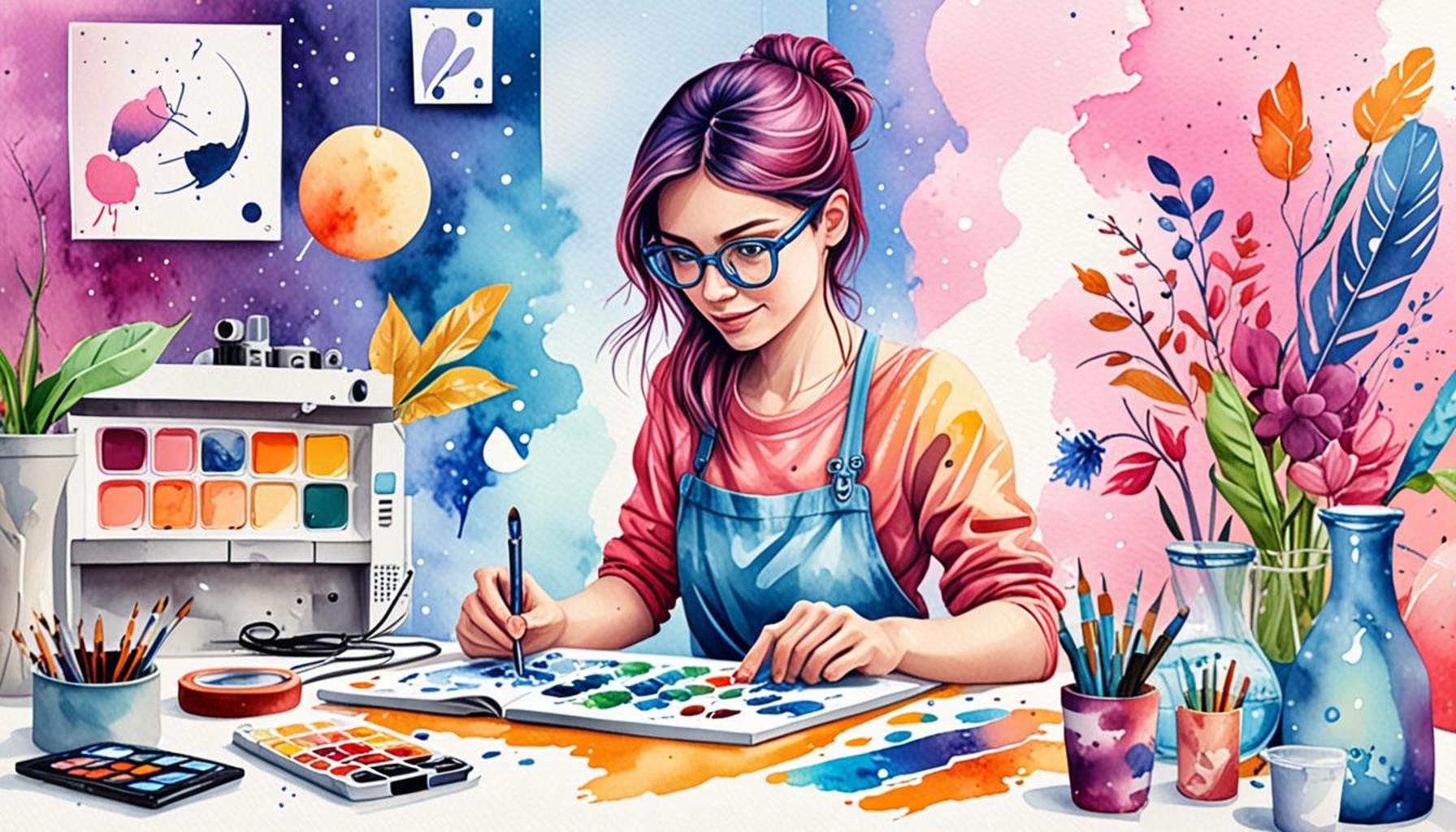
Innovations Driving the Future of Digital Design
The landscape of digital design is evolving at a breathtaking pace, driven by technological advancements and creative innovation. As we navigate through the years ahead, several trends are set to redefine how we engage with our creative hobbies.
- AI-Driven Design Tools: One of the most significant advancements in recent years is the integration of artificial intelligence into design software. Tools like Adobe’s Sensei and Canva’s Magic Write leverage machine learning to assist designers in achieving enhanced creativity and efficiency. For instance, AI can automate repetitive tasks, suggest color palettes, or even generate entire design layouts based on user preferences. This means that designers can shift their focus from mundane tasks to more creative aspects of their work, ultimately increasing productivity and fostering innovative ideas.
- Augmented Reality (AR): The use of AR is transforming how we visualize designs. With applications like IKEA Place and Houzz, users can preview furniture and decor in their own spaces before making a purchase. This trend not only improves consumer confidence but also empowers designers to create interactive experiences that engage users in a meaningful way. As AR becomes more mainstream, the potential for immersive storytelling through design will continue to grow, offering exciting possibilities for advertisers and artists alike.
- Sustainable Design: There is a growing emphasis on eco-friendly practices in digital design, reflecting a heightened awareness of environmental issues. Designer brands are increasingly adopting sustainable design principles by using eco-conscious materials and processes that minimize waste. Companies like Patagonia exemplify this movement by prioritizing sustainability in their branding and product design, often utilizing recycled materials. This trend encourages designers to think critically about their impact on the planet, fostering designs that are not only aesthetically pleasing but also environmentally responsible.
- 3D Printing: The realm of 3D printing continues to push boundaries in design. This technology has made it possible to create complex and personalized creations that were previously unimaginable. For instance, artists can now design intricate sculptures or prototypes that can be produced with precise specifications. Industries such as fashion are also witnessing this transformation, with brands like Nike experimenting with 3D-printed footwear that can be customized to individual consumer preferences.
Moreover, emerging platforms and tools cater to the needs of diverse skill levels, making digital design more inclusive. For instance, platforms like Figma and Sketch provide intuitive interfaces and collaborative tools that benefit both seasoned professionals and enthusiastic beginners. These innovations not only impact experienced designers but also open doors for newcomers looking to explore their creativity in exciting ways.
As these trends unfold, staying informed will be crucial for enthusiasts and professionals alike. Engaging with online communities, attending workshops, and participating in webinars can enhance one’s understanding of these trending topics. The future of digital design promises to be vibrant, engaging, and filled with opportunities. By exploring these avenues of creativity and innovation, individuals from all backgrounds are invited to participate in the dynamic artistic dialogue reshaping the industry.
DISCOVER MORE: Click here to learn about the healing power of music
Emerging Technologies Shaping Digital Creativity
As we dive deeper into the future of digital design, it is essential to highlight the technologies that will drive this evolution. Understanding these innovations not only provides insight into the creative landscape ahead but also equips hobbyists and professionals with the tools to harness their creative potential.
- Virtual Reality (VR): Virtual reality is becoming an integral part of digital design, enabling users to immerse themselves in three-dimensional environments. Platforms like Oculus and HTC Vive are not just for gaming anymore; artists and designers are utilizing VR to construct spaces and experiences that allow users to interact with their creations in real-time. This immersion promotes a new level of engagement, making art more accessible and interactive.
- Responsive Design: As mobile device usage climbs, responsive design will become increasingly crucial. In the coming years, designers will need to create layouts that adapt flawlessly to various screen sizes and formats. This challenge encourages creativity and innovation, as designers must think outside the box to provide users with seamless experiences across devices. Frameworks such as Bootstrap and Foundation will continue to support this trend, making responsive design tools more powerful and user-friendly.
- Motion Graphics: With the rise of video content on social media and platforms like TikTok, motion graphics are transforming the way stories are told. Designers are tasked with incorporating dynamic elements into their designs to captivate audiences, and tools like Adobe After Effects are becoming essential. The ability to produce visually engaging animations and transitioning effects not only improves the aesthetics but also enhances communication, allowing messages to resonate more effectively with viewers.
- Code-Free Design Platforms: The democratization of design is gaining momentum with the emergence of code-free design platforms. Services like Webflow and Wix provide user-friendly interfaces that allow individuals, irrespective of their programming knowledge, to create stunning websites. This shift promotes inclusivity in design, inviting more people to express their creativity without technical barriers, thus broadening the scope of digital design.
These innovative technologies are paving the way for a thriving digital design culture, characterized by inclusivity and accessibility. Furthermore, as hobbyists experiment with these tools, they gain valuable skills that foster growth not just in personal projects but potentially in professional endeavors as well.
As the landscape of digital design continues to innovate, staying ahead in this rapidly evolving field will require a commitment to learning and adaptation. Upcoming trends promise exciting opportunities for creative exploration, and understanding these shifts can empower individuals to carve their own unique paths in the vibrant landscape of digital artistry. By engaging with these emerging trends, hobbyists are encouraged to push their creative boundaries, ensuring their practices remain relevant and compelling.
| Category | Description |
|---|---|
| Augmented Reality (AR) | AR technologies are redefining user interaction, enhancing creative hobbies by merging virtual elements with the real world. |
| Creative Collaboration | Online platforms foster collaborative projects across boundaries, enriching digital design experiences through diverse insights. |
| AI in Design | Artificial Intelligence is streamlining design processes, providing tools that enhance creativity and efficiency for designers. |
| Sustainability Practices | An increasing focus on eco-friendly materials and practices is shaping future design trends, appealing to environmentally conscious creators. |
The integration of augmented reality (AR) into creative hobbies is particularly transformative. This technology allows designers to overlay digital content onto real-world environments, enhancing everything from art projects to interior design. Similarly, creative collaboration is becoming more prevalent. As more artists and designers connect online, pooling their expertise can lead to groundbreaking projects that blend unique styles and techniques.The rise of artificial intelligence in digital design introduces innovative tools that aid in the creative process, making it easier to visualize concepts and execute ideas quickly. Features such as generative design algorithms give artists an opportunity to explore beyond their limits, optimizing their workflow.Lastly, the emphasis on sustainability is gaining traction. As more creators recognize the impact of their choices on the planet, they are drawn to sustainable materials and practices, paving the way for a new era of eco-conscious design. This shift not only attracts a growing market of environmentally aware consumers but also encourages artists to innovate in their methods. By embracing sustainable practices, future trends in digital design can propel creative hobbies into a more responsible and inclusive direction.
DISCOVER: Click here to learn how art can enhance your mental well-being</p
Intelligent Design: The Role of Artificial Intelligence
As design technology evolves, so does the incorporation of artificial intelligence (AI) into the creative process. AI-powered tools are reshaping how designers approach their projects, making it possible to generate graphic designs, music, animations, and photography with unprecedented speed and efficiency. For instance, platforms like DALL-E and DeepArt utilize machine learning to transform text prompts into stunning visuals, thus expanding the creative possibilities for hobbyists looking to experiment with design.
These tools not only save time but also inspire creativity by presenting unexpected outcomes. By learning from patterns and styles, AI will empower users to explore new aesthetic possibilities, leading to innovations that merge human creativity with machine intelligence. This intersection of technology and creativity marks a pivotal moment where designers can leverage AI to enhance their skills and push artistic boundaries.
The Rise of Customizable Templates and Design Kits
As digital design becomes increasingly pervasive, the demand for customizable templates and design kits is on the rise. Websites such as Canva and Creative Market are experiencing a surge in their offerings, allowing hobbyists to access professionally crafted resources that can be tailored to suit individual visions.
In the coming years, we can expect a broader adoption of template-based tools — from social media graphics to marketing materials — that cater to various user skill levels. This democratization of design enables users to produce high-quality work without extensive training, fostering a culture where creativity not only flourishes but also becomes more accessible.
Collaborative Creative Platforms
The future of digital design is leaning heavily towards collaborative platforms that enable teams to work together seamlessly, regardless of their physical locations. Tools such as Figma and Miro allow multiple users to edit and comment on projects in real-time, fostering creative synergy and enhancing the overall quality of outputs. As remote work continues to expand, these interactive platforms will encourage collaboration among designers, developers, and stakeholders, ensuring that diverse perspectives are represented in the design process.
Furthermore, networking opportunities will flourish through these platforms, connecting aspiring designers with mentors and industry professionals worldwide. This blend of collaboration and community will empower hobbyists to learn from one another, share techniques, and ultimately refine their craft.
3D Printing and Design Personalization
The integration of 3D printing technology into digital design is heralding a new era of personalization and customization in creative hobbies. Designers can now bring digital creations to life, creating anything from art installations to personalized home decor. Tools like Blender and Tinkercad have democratized access to 3D modeling, allowing hobbyists to experiment with digital sculpting before seeing their designs materialize in tangible form.
This trend toward physical manifestations of design elements is not only pushing the boundaries of aesthetic expression but also fostering sustainable practices. Digital designs can be optimized for minimal material usage, allowing creators to embrace eco-friendly approaches while still producing visually stunning pieces.
As these technology trends gain momentum, digital design will transform into a dynamic interplay of innovation and creativity. Hobbyists will be fueled by new tools and platforms that not only elevate their work but also create a more inclusive space for artistic expression.
DISCOVER MORE: Click here to learn essential sewing techniques
Conclusion: Embracing the Future of Digital Design
As we venture into the dynamic landscape of digital design, it is evident that creative hobbies will be profoundly influenced by the rapid advancements in technology. The integration of artificial intelligence has revolutionized how artists and hobbyists can conceptualize and execute their ideas. This cutting-edge technology not only enhances productivity but also encourages innovation, allowing for a richer exploration of artistic expressions.
Moreover, the growing accessibility of customizable templates and design kits signals a democratization of design, enabling individuals of varying skill levels to create professional-grade work. This shift fosters a community culture where creativity flourishes, and artists are empowered to express their unique visions with ease.
Additionally, the rise of collaborative platforms further signals a promising future for digital design. These tools enhance connectivity and synergy among creators, regardless of geographical barriers, paving the way for diverse voices and ideas to shape the artistic narrative. As networking opportunities expand, hobbyists will find valuable mentorship and inspiration from a global community.
Finally, the integration of 3D printing as a vehicle for personalization allows designers to transform their digital works into tangible creations. This technological advancement invites artists to rethink the boundaries of their crafts while also championing sustainable practices in the design process.
In summary, the future trends in digital design herald an exciting era for creative hobbies. As technology and creativity merge, hobbyists can look forward to an innovative, inclusive, and collaborative environment that nurtures artistic expression in unprecedented ways. The potential is limitless, and the journey is just beginning. Embrace the evolution and let your creativity shine!
Related posts:
Digital Design and User Experience: Creating Interfaces that Inspire Creativity
The Influence of Typography in Digital Design: How Fonts Can Transform Your Art
Master Digital Design Tools From Beginner to Pro Guide
Exploring Digital Painting: Techniques and Styles for Amateur Artists
Character Design in Virtual Environments: Bringing Creative Hobbies to Life in Games
The Role of Digital Design in Visual Narrative: Telling Stories Through Digital Art
Linda Carter is a writer and creative hobbies expert specializing in crafting, DIY projects, and artistic exploration. With extensive experience helping individuals discover their creative potential and bring their ideas to life, Linda shares her knowledge on our platform. Her goal is to empower readers with practical tips, inspiring ideas, and step-by-step strategies for success in the world of creative hobbies.