The Influence of Typography in Digital Design: How Fonts Can Transform Your Art
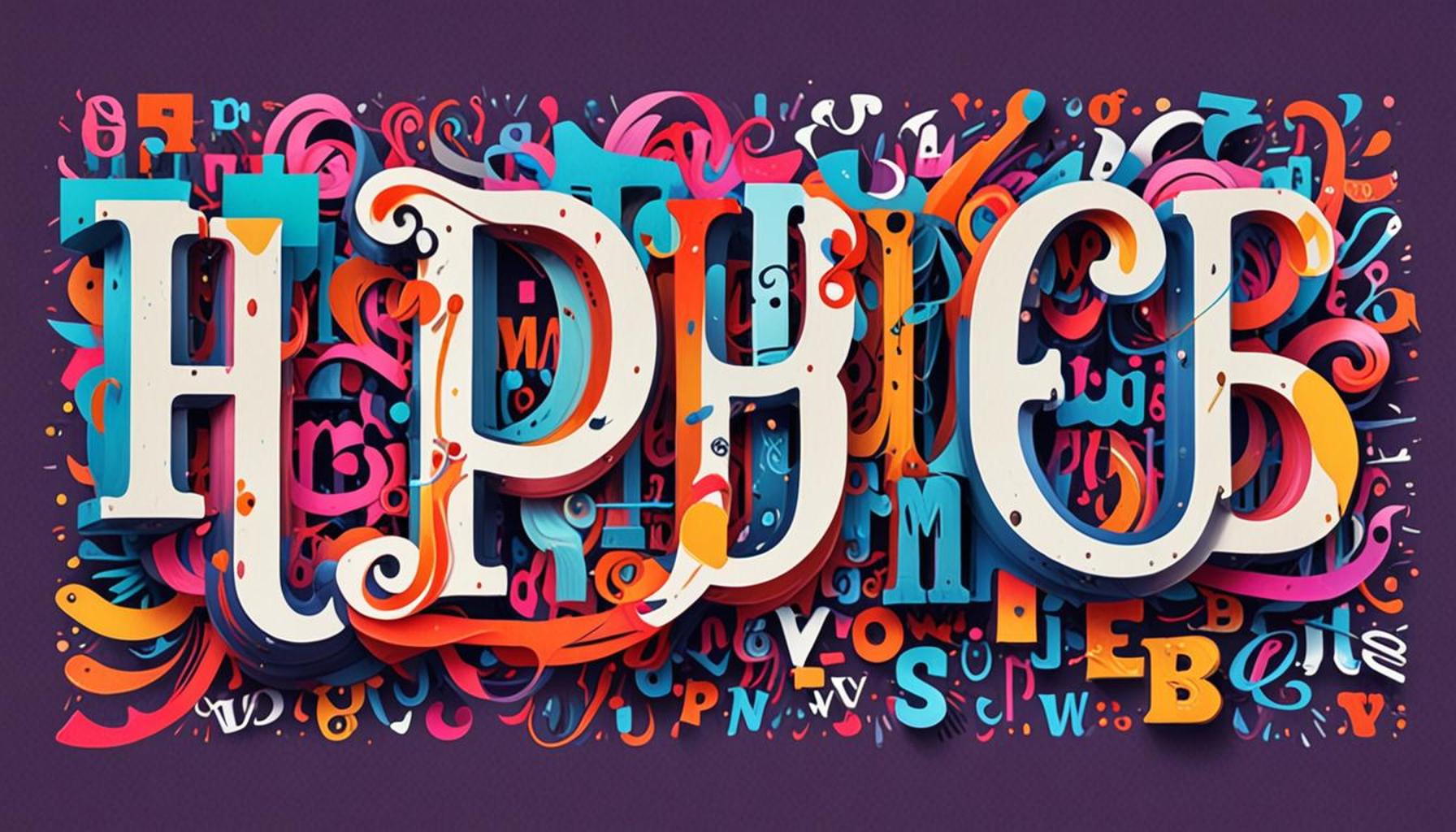
The Role of Typography in Shaping Design Narratives
In the bustling world of digital design, typography extends far beyond mere aesthetic appeal. It serves as a foundational element that crafts how messages are perceived and understood. Whether you’re scrolling through social media, reading an article, or browsing an e-commerce site, the typography you encounter is a carefully curated choice made with intent. The right font can evoke feelings ranging from nostalgia to urgency, influencing user behavior and perception.
Brand Identity
One of the most significant aspects of typography is its ability to establish and convey brand identity. Fonts are a visual shorthand that can express the personality and values of a brand. For example, a tech company like Apple employs sleek, modern sans-serif fonts to communicate innovation and sophistication. In contrast, a children’s toy brand might opt for rounded, playful typefaces that evoke happiness and fun. The implications are profound—an incongruent font choice could leave potential customers confused or uninterested. Typography, therefore, is not merely a design choice; it is a vital component of a brand’s narrative structure.
Readability and Accessibility
In today’s fast-paced digital landscape, the readability of information is crucial. According to studies, users often skim content, making it essential for text to be easily digestible. Fonts with high readability, such as Helvetica or Arial, can significantly enhance user experience on websites, ensuring that vital information is communicated effectively. Additionally, accessibility is an important consideration; typefaces that cater to those with visual impairments can make a significant difference. Web content that uses appropriate font sizes and styles can create a more inclusive digital space, empowering all users to engage with the material.
Emotional Resonance
Typography also plays a pivotal role in creating emotional resonance. Different fonts can evoke distinct feelings; for instance, serif fonts often convey a sense of tradition and reliability, which can be advantageous for financial institutions, while hand-drawn fonts may elicit warmth and approachability ideal for creative businesses. Brands like Coca-Cola use script fonts that evoke nostalgia and happiness, perfectly aligning with their marketing message. In digital design, tapping into the emotional undercurrents of typography can amplify a message’s impact, encouraging users to connect on a more profound level.
Understanding the Evolution of Typefaces
To truly grasp the transformative power of fonts, one must examine their evolution. Historically, typography has undergone significant changes, from the Garamond of the Renaissance period to contemporary styles like Futura and Roboto. Each font carries with it a narrative tied to its time, technology, and artistic movements. Modern fonts often borrow from these historical styles, resulting in a rich tapestry of design elements available to today’s designers. By understanding this evolution, designers can make informed choices that honor the past while pushing the boundaries of modern digital design.

In conclusion, typography transcends mere decoration; it is a dynamic and impactful component of digital design that drives communication and engagement. By thoughtfully considering brand identity, readability, emotional resonance, and the historical context of typefaces, designers can craft experiences that resonate deeply with audiences, fostering a connection that lasts long after the initial encounter.
DISCOVER MORE: Click here to learn about the importance of crafting skills
Typography as a Visual Language
Typography is often referred to as a visual language, one that speaks to audiences without uttering a word. This silent yet powerful means of communication manifests in various ways in the realm of digital design. From the headlines that capture attention to the subtle details in body text, the font choice can either elevate the user experience or detract from it. By understanding the dynamics of typography, designers can leverage this tool to not only enhance aesthetics but also to convey messages effectively.
Psychological Impact of Fonts
The psychology behind font selection plays a crucial role in shaping viewer perceptions. Different typefaces carry unique emotional weights, leading to varied interpretations depending on the viewer’s background and context. For instance, a study conducted by Fontsmith revealed that people often associate sans-serif fonts with modernity and efficiency, while serif fonts are linked to tradition and comfort. These associations influence how users respond to brands and their messages.
The insight into typography psychology can be harnessed strategically. Here are some psychological implications of font styles:
- Sans-Serif Fonts: Often perceived as clean and modern, making them ideal for tech-related fields.
- Serif Fonts: Connote reliability and academic gravitas, frequently used in literature and finance.
- Script Fonts: Evoke a sense of friendliness and personalization, beneficial for creative markets.
- Display Fonts: Bold and attention-grabbing, perfect for advertising where immediacy is crucial.
With numerous styles and variations, the right font can significantly sway a user’s perception of a brand. A mismatched typeface can create a disconnect, leading to a lack of trust or disengagement.
The Role of Typography in Digital User Interfaces
In addition to emotions and perceptions, typography is integral to functionality within digital interfaces. As users navigate websites and applications, effective typography enhances usability. Clear headings, legible fonts, and appropriate spacing facilitate easier navigation while avoiding user frustration. A report by the Nielsen Norman Group indicated that users can improve their reading speed by up to 20% when presented with well-chosen fonts that maintain good contrast and line spacing.
Typography’s role in digital interfaces can be categorized into three key areas:
- Hierarchy: Distinctive font sizes and styles help create a visual hierarchy, guiding users through the content.
- Consistency: Uniform font choices across platforms enhance brand recognition and create a cohesive experience.
- Functionality: Well-designed typography aids in user interaction, ensuring buttons are distinguishable and instructions are clear.
As the digital landscape continues to evolve, typography remains a vital component. By recognizing its capacity to influence behavior, evoke emotions, and enhance functionality, designers can wield typography not just as a decorative tool but as a core asset in transforming their artistic vision.
The Influence of Typography in Digital Design: How Fonts Can Transform Your Art
Typography is more than just the arrangement of letters and words; it is a pivotal element that enhances user experience and creates emotional connections in digital design. The choice of font can drastically alter the perception of a brand or a piece of art. For example, a modern sans-serif font communicates cleanliness and innovation, while a classic serif font may evoke feelings of tradition and reliability.Beyond aesthetics, typography also plays a significant role in readability and information hierarchy. Effective typography ensures that content is easily digestible, guiding the viewer’s eye to the most important content first. This is especially crucial in our fast-paced digital age, where information overload is common. Designers utilize various font sizes, weights, and colors to create a visual hierarchy that enhances comprehension.Moreover, the emotional resonance of typography can also impact decision-making. Fonts can make users feel a particular way—whether that’s excitement, trust, or urgency—by evoking subconscious associations that are hard to quantify but undeniable in effect. Strong typography can enhance branding, ensuring that the message aligns with the identity and values of the organization.In order to delve deeper into this subject, it’s essential to study how typography choices affect website traffic, conversion rates, and user engagement. Studies have shown that a well-chosen font can significantly increase user interaction and retention, making it a vital tool for marketers and designers alike.
| Category 1 | Category 2 |
|---|---|
| Font Selection | Choosing the right font can significantly affect brand perception. |
| Readability | Effective typography enhances content digestibility and user engagement. |
This exploration of typography’s influence in digital design not only emphasizes its functional role but also its significant psychological impact. The ability of fonts to shape perceptions underscores the importance of thoughtful design choices in conveying messages and harnessing the full potential of digital art.
DISCOVER MORE: Click here to dive into sewing techniques for sustainable fashion!
Typography and Brand Identity
Typography plays a pivotal role in shaping brand identity, often serving as the first point of contact between a brand and its audience. In the competitive landscape of digital design, where impressions are fleeting and the battle for attention is fierce, well-crafted typography can mean the difference between engagement and oblivion. The right font not only conveys a brand’s values but also distinguishes it from its competitors. For instance, tech giants like Apple utilize a sleek sans-serif font, reflecting innovation and simplicity, while Coca-Cola employs a distinct script font that evokes nostalgia and tradition. These font choices are not arbitrary but carefully aligned with each brand’s messaging.
To further understand how typography can reinforce brand identity, one can look at specific case studies:
- Spotify: The music streaming service incorporates bold, sans-serif typefaces in its marketing, enhancing its youthful and dynamic brand image.
- Nike: The use of a clean, strong font captures strength and athleticism, resonating with its target audience of athletes and fitness enthusiasts.
- H&M: Utilizing a minimalist typeface contributes to its modern, chic approach in fashion, appealing to style-conscious consumers.
These examples underscore the importance of font selection as a visual cue for brand perception. A cohesive typographic strategy not only enhances the overall aesthetic but solidifies the brand’s voice in the crowded digital marketplace.
The Evolution of Typography in the Digital Age
Typography has undergone significant evolution in the digital landscape, transitioning from traditional print to dynamic online environments. This shift has introduced new possibilities for font design, allowing for more creativity and experimentation. The rise of responsive web design means that designers must consider not only how fonts look but also how they operate across various devices and screen sizes. Google Fonts, for example, has democratized access to a vast array of typefaces, empowering designers to incorporate diverse options seamlessly into their projects.
Moreover, the growing trend of variable fonts is changing the way typography is utilized in digital design. This innovative technology allows a single font file to contain multiple styles, weights, and widths, dramatically reducing load times and improving performance. Designers are now experimenting with kinetic typography, where text animations capture attention and enhance storytelling by bringing static words to life. This trend is evident in engaging websites and social media campaigns, where motion can significantly impact viewer retention and engagement.
Additionally, the integration of typography with other design elements remains crucial. The interplay between font choice, color scheme, and layout contributes greatly to the overall user experience. For instance, pairing a bold display font with delicate illustrations can create a stunning visual balance, drawing the viewer’s eye while supporting the content’s context.
Typography and Accessibility in Digital Design
As designers embrace the power of typography, they must also consider accessibility. Ensuring that fonts are legible and inclusive is essential in today’s diverse digital landscape. The Web Content Accessibility Guidelines (WCAG) promote using fonts that have adequate contrast against backgrounds and are sized appropriately for readability by all users, including those with visual impairments. Features such as adjustable font sizes and clear typeface choices are vital in catering to an inclusive audience.
By incorporating accessibility into typography choices, designers not only comply with legal standards but also foster a more welcoming digital space. This consideration can lead to increased user engagement, showcasing that good typography transcends aesthetics; it invites everyone into the conversation.
In sum, typography is not merely a decorative element but an essential building block in digital design. As designers harness its influence, the convergence of aesthetics, functionality, and accessibility will define the future of effective digital communication.
DISCOVER MORE: Click here to dive deeper
Conclusion
In the dynamic realm of digital design, typography emerges as a transformative power, shaping not only aesthetics but also narrative and identity. Fonts are no longer mere text on a screen; they are integral components that communicate values, evoke emotions, and engage audiences in a visceral way. As we explored, the right typography reinforces brand identity, creating an immediate connection with users while distinguishing a brand amidst the digital noise.
The evolution of typography in the digital age has unlocked unprecedented opportunities for creativity, urging designers to push the boundaries of what fonts can achieve. With advancements such as variable fonts and kinetic typography, designers can now harness motion and adaptability to enhance user experience and storytelling. Furthermore, the integration of accessibility into typographic choices underscores the importance of inclusivity in digital design. It is evident that legible and clear typography not only satisfies legal obligations but also fosters a sense of community, welcoming all users into the conversation.
As we look to the future, the role of typography will only grow more significant. Designers who understand and leverage the complexities of typography will create not only visually appealing works but also impactful narratives that resonate. In an era where every pixel matters, the fonts chosen can echo a brand’s mission, transforming them from mere art to compelling communication tools. As such, the influence of typography in digital design invites exploration, prompting both designers and consumers to consider their profound effect on meaning and perception. This is the essence of digital design; it is where art and functionality harmoniously intersect through the power of typography.
Related posts:
Digital Design and User Experience: Creating Interfaces that Inspire Creativity
Practical Tips for Beginners in Digital Design: Essential Tools and Techniques
Exploring the Impact of Digital Design Tools on Personal Creativity
How Digital Design Can Facilitate the Creation of Handcrafted Products: Integrating Technology and C...
Digital Design and Entrepreneurship: How to Create an Impactful Visual Brand
Digital Design Evolution How Tech is Transforming Creativity

Linda Carter is a writer and creative hobbies expert specializing in crafting, DIY projects, and artistic exploration. With extensive experience helping individuals discover their creative potential and bring their ideas to life, Linda shares her knowledge on our platform. Her goal is to empower readers with practical tips, inspiring ideas, and step-by-step strategies for success in the world of creative hobbies.