Sustainable Digital Design: Creating Art with Environmental Responsibility
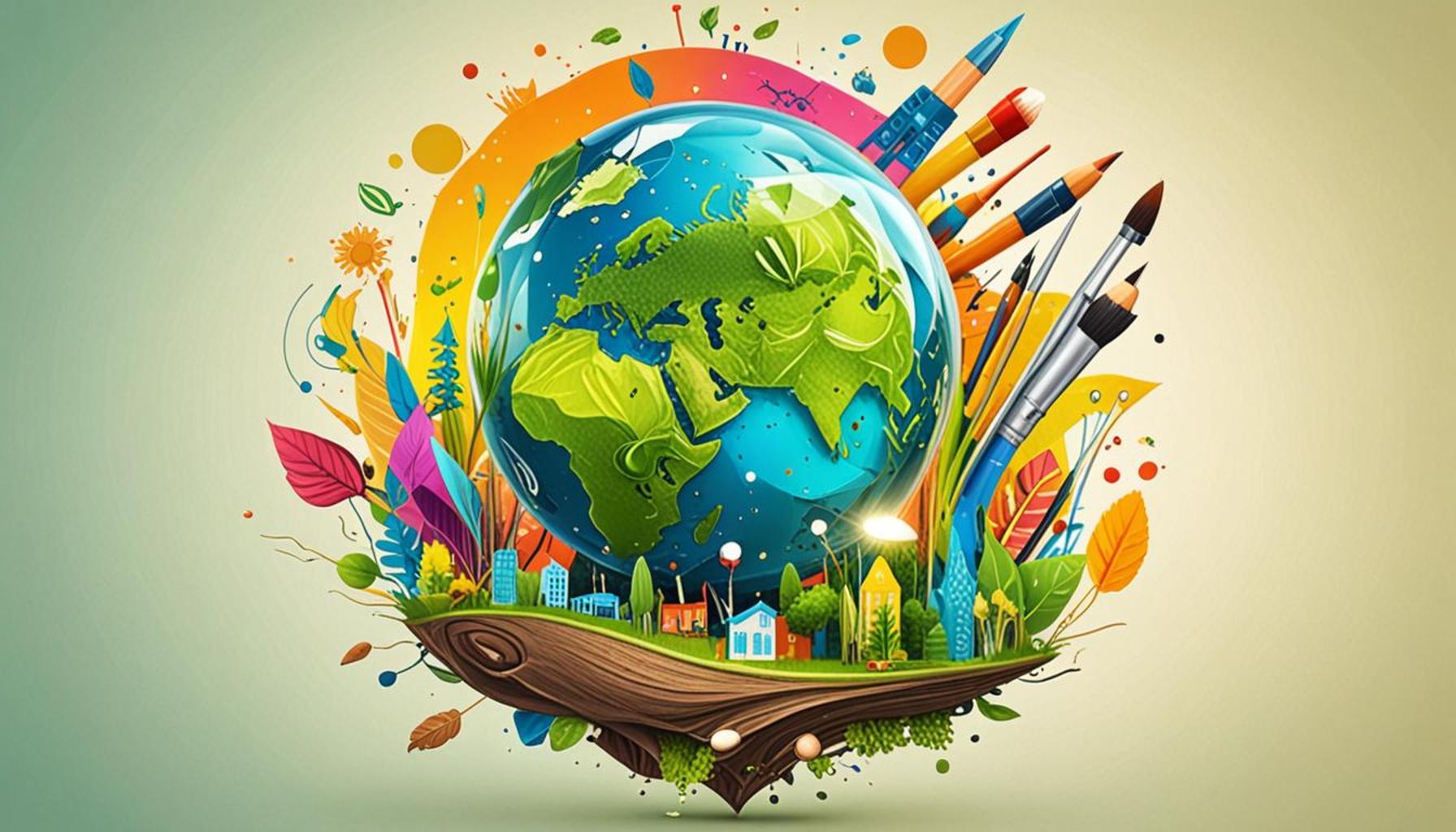
Exploring the Intersection of Art and Ecology
In an age where the climate crisis prompts urgent action, sustainable digital design emerges as a vital practice for artists and designers. By integrating environmental awareness into their creative processes, they find innovative ways to minimize waste and energy consumption. The digital realm offers a unique opportunity for creators to engage with ecological issues while reducing their physical material footprint.
Consider some of the guiding principles of sustainable digital design:
- Resource Efficiency: This principle emphasizes the importance of adopting low-energy tools and software that significantly reduce carbon footprints. For example, using energy-efficient servers for hosting art projects online can cut down energy usage dramatically. Tools like Adobe Creative Cloud have increasingly incorporated energy-efficient settings to lessen resource consumption during large projects.
- Eco-friendly Materials: In the digital age, utilizing digital formats over traditional, physical media serves to conserve resources. Artists can create vibrant illustrations, animations, or photography without relying on paints, canvases, or other physical goods. By opting for digital videos or online galleries, creators can distribute their work globally without the environmental cost associated with shipping physical artworks.
- Social Responsibility: This principle fosters inclusive practices by involving communities in collaborative projects that highlight environmental issues. For instance, artists can engage local communities to create murals or sculptures from recycled materials, effectively transforming waste into art while raising awareness about pollution. Projects like these not only beautify spaces but also elevate public discourse around pressing ecological matters.
As the movement gains traction, it is inspiring a growing number of designers across the United States to prioritize environmental responsibility in their work. One fascinating example is the trend of utilizing recycled data, where artists reinterpret natural landscapes digitally, generating visual narratives that connect viewers to vital ecological stories. By employing data visualization techniques, designers can represent climate patterns, species extinction, or deforestation in visually captivating ways that provoke thought and discussion.
In analyzing this intersection of art and ecology, many ask: How can creators elevate their work while honoring the planet? Exploring various tools and techniques can help unveil a world where creativity meets sustainability. Case studies from notable sustainable design initiatives, like the “Green Roof Project,” a collaboration between artists and architects, demonstrate the profound impact art can have in promoting environmental stewardship. This project not only transformed an urban space but also educated the public about local biodiversity and ecological balance.
By continuously pushing the boundaries of their artistic expressions, creators can champion sustainability as an essential component of modern art, inviting audiences to join them on a journey toward a more sustainable future.

DIVE DEEPER: Click here to enhance your creativity and craft skills
Innovative Approaches to Sustainable Digital Design
As digital artists and designers embrace the ethos of sustainability, numerous innovative approaches are emerging, reshaping the way art is created and experienced. One of the most significant shifts is the utilization of green technology in the creative process. This reflects a growing awareness among creators to harness energy-efficient platforms and tools that facilitate artistic expression while minimizing environmental impact. For instance, platforms like Figma and Canva have recognized their role in reducing digital waste, offering features that encourage collaborative design without excessive resource consumption.
Moreover, Mediums such as virtual reality (VR) and augmented reality (AR) provide dynamic ways to engage audiences with environmental themes. Artists are increasingly using these technologies to create immersive experiences that educate viewers about ecological issues and the importance of sustainability. Through interactive installations, viewers can explore scenarios depicting the effects of climate change or engage with virtual ecosystems, fostering a deeper connection with the intentional message behind the artwork.
Curiously, the practice of upcycling digital content is another fascinating trend within sustainable digital design. Artists are repurposing existing digital assets—such as images, sound bites, and animations—into fresh narratives that maintain relevance while reducing the need for new content creation. This practice not only conserves resources but also promotes an artistic dialogue that challenges traditional notions of originality. Reinterpreting existing works serves as a reminder that sustainability can stem from creativity, rather than consumption.
In exploring sustainable design, it’s essential to consider the environmental implications of online practices. The data footprint associated with digital storage and sharing is often overlooked. Research suggests that the internet contributes to around 2-4% of global carbon emissions, a figure that rivals the aviation industry. With this awareness, artists can make informed choices about their online presence, opting for eco-friendly web hosting services that utilize renewable energy. Furthermore, conducting regular audits of their digital assets can help reduce unnecessary data, ultimately minimizing their overall impact.
- Eco-Aware Web Development: Designers should consider using platforms that prioritize green hosting and optimized coding to reduce energy consumption.
- Digital Art Platforms: Utilizing services that promote sustainable practices, such as contributing a portion of profits to environmental causes, encourages responsible consumption in the digital art space.
- Awareness Campaigns: Artists can leverage their platforms to raise awareness about sustainability, inspiring audiences to adopt eco-friendly behaviors both online and offline.
As digital art continues to flourish, the marriage of creativity and ecological responsibility presents exciting new avenues for artistic expression. By committing to sustainable practices, artists not only resonate with audiences but also pave the way for a more environmentally conscious future. The challenge lies in maintaining artistic integrity while pursuing a vision that supports the health of our planet.
| Advantage | Details |
|---|---|
| Resource Efficiency | Utilizing renewable resources and less energy to create art minimizes ecological footprints. |
| Awareness and Education | Promotes environmental consciousness, inspiring both artists and audiences to prioritize sustainability. |
Through Sustainable Digital Design, artists are encouraged to rethink their materials and methods, adopting practices that not only foster creativity but also preserve our planet. By emphasizing resource efficiency, artists can minimize their reliance on non-renewable materials. This approach not only lessens waste but also holds the potential to innovate the creation process itself, leading to unique and impactful artworks.Moreover, the movement towards sustainable practices serves as a crucial educational tool. Artists who embrace this philosophy often share their journeys with the public, raising awareness of sustainability issues and encouraging others in the artistic community to adopt eco-friendly practices. The growing interest in sustainable art continues to captivate audiences, leading to a broader impact on environmental responsibility. Through these combined efforts, the fusion of art and sustainability creates a ripple effect, encouraging a greater appreciation for our natural world.
DISCOVER MORE: Click here to learn about the evolution of digital design
The Social Responsibility of Digital Artists
Beyond technical innovations and creative mediums, the movement towards sustainable digital design also taps into the social responsibility of artists. In an age where awareness of climate change and social justice is more critical than ever, digital creators have the unique opportunity to communicate powerful messages that resonate with audiences. The intersection of art and activism creates a compelling narrative for change, and many artists are utilizing their platforms to highlight pressing environmental issues.
Artists are spearheading campaigns aimed at promoting sustainable practices. For example, the renowned Nonprofit Art for Earth engages artists to create works that emphasize environmental themes, raising funds and awareness for conservation efforts. Through such initiatives, artists not only contribute to dialogues around sustainability but actively engage with their communities to inspire protective actions and policy changes. Moreover, collaborations between digital artists and grassroots organizations can amplify these messages, turning artistic expression into a tool for activism.
The growing movement of ethical consumption in the arts is also worth noting. As consumers become increasingly aware of the impact their purchasing decisions make, there is a surge in demand for art that is produced sustainably. Digital artists can capitalize on this trend by promoting eco-friendly art prints that utilize sustainable materials, or offering digital downloads that eliminate physical product waste. Platforms like Society6 and Etsy now allow artists to showcase their eco-conscious works, appealing to a consumer base that prioritizes environmental responsibility.
Additionally, the role of education in sustainable digital design cannot be overstated. Artists and educators alike are coming together to host workshops and seminars that not only showcase sustainable methodologies but also highlight the environmental implications of traditional design practices. By sharing knowledge about eco-design techniques, artists can cultivate a new generation of creators who prioritize sustainability in their work. Online platforms provide an ideal venue for sharing insights through webinars or virtual exhibitions, fostering a broader understanding of sustainable strategies within the digital design community.
- Collaborative Initiatives: Partnering with organizations focusing on environmental sustainability can amplify an artist’s reach and impact.
- Digital Workshops: Offering training sessions or tutorials on sustainable practices in digital art can inspire accountability amongst peers.
- Sustainable Merchandise: Artists can explore using eco-friendly materials in their merchandise offerings, bridging the gap between art and responsible consumption.
In a digital landscape saturated with content, the potential for artists to stand out by committing to sustainability holds immense power. With every click, share, or download of their work, artists contribute to a larger narrative that underscores the urgency of addressing climate change and environmental degradation. Thus, the journey towards sustainable digital design is not merely a trend, but a lasting transformation rooted in consciousness and responsibility.
DON’T MISS: Click here to learn more
Conclusion: The Future of Sustainable Digital Design
As we navigate the complexities of the 21st century, the call for sustainable digital design has never been more pressing. Artists wield the unique power to influence societal values and behaviors through their work, and the shift toward environmentally responsible practices within the digital realm is an opportunity for profound change. By harnessing their creativity and voices, digital artists can not only illuminate urgent environmental issues but also inspire audiences to engage in meaningful actions.
The intertwining of art and activism creates a dynamic platform for discussion and awareness. Artists are increasingly transforming their practices to align with ethical consumption, producing eco-friendly art that resonates with conscientious consumers. This evolution extends beyond individual artists; it encapsulates a cultural shift towards valuing sustainability, encouraging the entire art community to adopt eco-conscious methodologies.
Education plays a crucial role in this transformation, empowering the next generation of artists to prioritize sustainable principles in their work. By collaborating and sharing knowledge, digital creators can advocate for a more sustainable future, one that values the planet as much as the aesthetic experience of art. The integration of sustainable practices is not just a trend; it is an essential pathway toward a more responsible and ethical art community.
In embracing sustainable digital design, artists prepare to make impactful contributions to the fight against climate change. As the digital landscape evolves, let us collectively continue to champion a movement that aligns artistic expression with environmental stewardship, ensuring that creativity thrives alongside our commitment to the Earth’s future.
Related posts:
Practical Tips for Beginners in Digital Design: Essential Tools and Techniques
The Influence of Typography in Digital Design: How Fonts Can Transform Your Art
Character Design in Virtual Environments: Bringing Creative Hobbies to Life in Games
Exploring Digital Painting: Techniques and Styles for Amateur Artists
Digital Design and Entrepreneurship: How to Create an Impactful Visual Brand
How Digital Design Can Facilitate the Creation of Handcrafted Products: Integrating Technology and C...

Linda Carter is a writer and creative hobbies expert specializing in crafting, DIY projects, and artistic exploration. With extensive experience helping individuals discover their creative potential and bring their ideas to life, Linda shares her knowledge on our platform. Her goal is to empower readers with practical tips, inspiring ideas, and step-by-step strategies for success in the world of creative hobbies.