Character Design in Virtual Environments: Bringing Creative Hobbies to Life in Games
The Evolution of Character Design
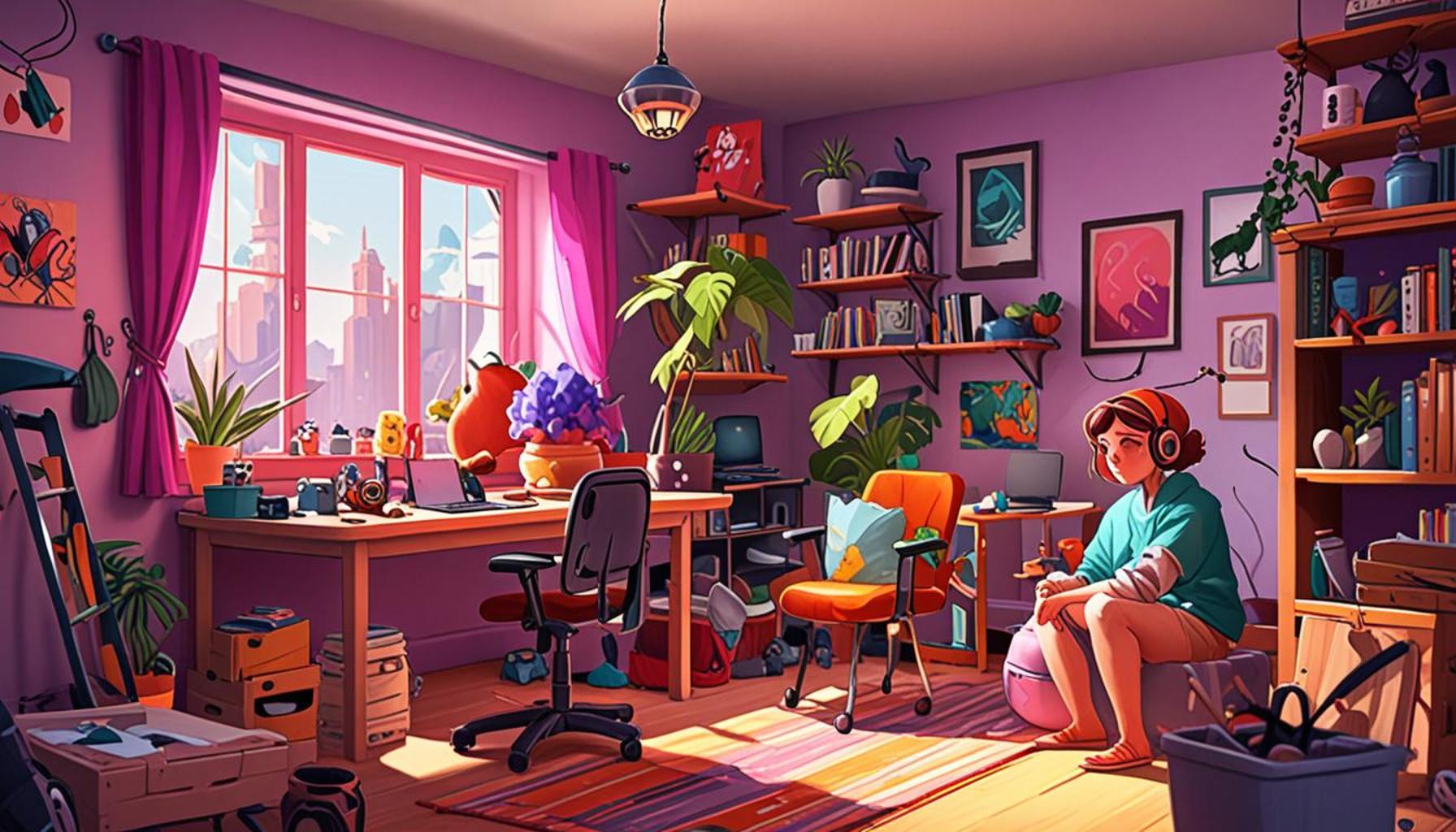
The gaming industry has witnessed a remarkable transition over the years, with character design taking on a pivotal role in enriching the gaming experience. Today, players have the unique opportunity to step into a digital world where their creativity flourishes through the customization of avatars and characters in ways that are personal and meaningful.
Personalization: A Reflection of Identity
In modern gaming, character design allows for extensive personalization options. Players can tailor their avatars to represent their unique interests, hobbies, and even personal style. For instance, in games like Fortnite and League of Legends, players can select outfits, accessories, and emotes that resonate with their personalities. This level of customization transforms the character into a virtual extension of oneself, creating a strong emotional connection between the player and their avatar.
Artistic Freedom: Innovative Tools for Creators
Advancements in technology have democratized the artistic freedom associated with character design. Today, creators can utilize an array of 3D modeling software, such as Blender and Maya, allowing them to construct intricate, personalized characters from scratch. These tools enable artists to express their unique vision, whether they aspire to design an intimidating warlock or a charming, whimsical creature. For example, aspiring game designers can create entire universes populated with characters that blend their imaginative ideas with professional techniques, breathing life into their creations.
Storytelling: Weaving Personal Narratives
Moreover, character design plays a significant role in storytelling within virtual environments. Players often craft detailed backstories for their characters, reflecting personal narratives and aspirations. This not only adds depth to the gameplay but also elevates the overall emotional engagement with the game. For example, in games like The Last of Us or Skyrim, the characters are often laden with histories and motivations that resonate with players, inviting them to explore themes of love, loss, and ambition.
Games as Creative Platforms
Title such as Animal Crossing and The Sims illustrate how character creation has become a major aspect of gameplay, encouraging players to engage in a virtual social life where their characters showcase everything from their fashion choices to their home aesthetics. These platforms also allow for continuous enhancement, meaning that players can evolve their characters over time, reflecting their real-life experiences or simply expressing newfound interests.
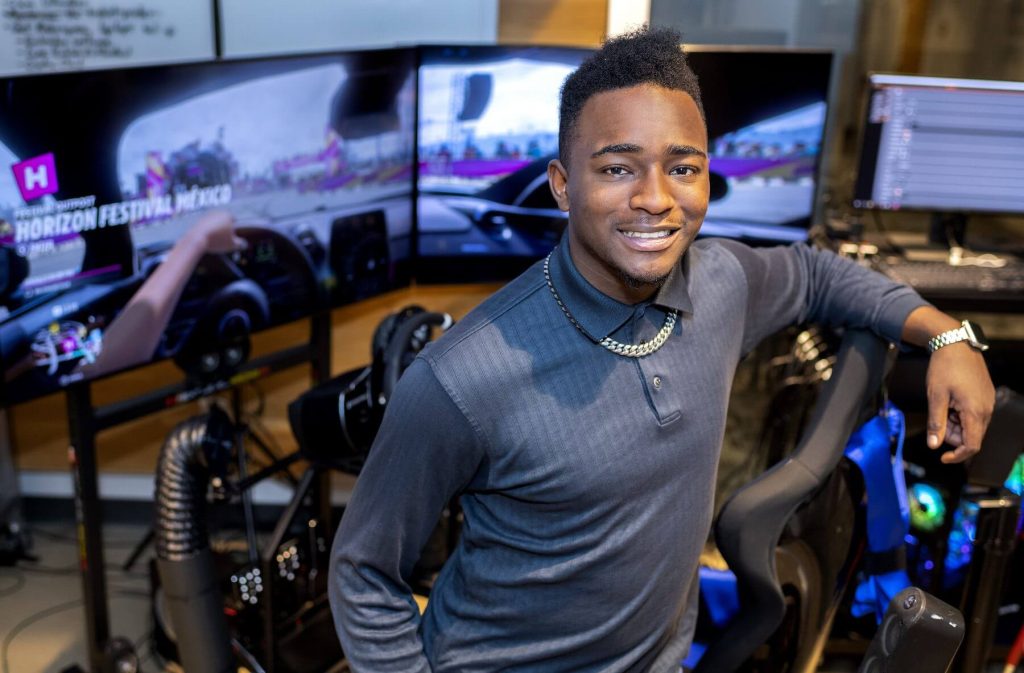
As we dive deeper into the fascinating world of character design in gaming, we uncover not just its artistic merits, but its profound influence on personal expression and storytelling. With an array of tools at their disposal, gamers can now shape their identities within virtual realms, making character design a cornerstone of modern gaming culture. The journey of this evolution encourages players to not only engage with games but to redefine their own narratives in wildly creative ways.
DIVE DEEPER: Click here to discover the evolution of performing arts
The Impact of Character Design on Gaming Experience
In the realm of video games, character design serves not only as a visual element but also as a fundamental component that shapes the gaming experience. Well-crafted characters allow players to immerse themselves in diverse narratives, each with distinct personalities, backgrounds, and motivations. This fusion of art and storytelling enhances gameplay, creating a dynamic environment where players become co-creators of their own adventures.
The Intersection of Art and Gameplay
Character design is a crucial intersection of artistic expression and gameplay functionality. Designers must consider not only the aesthetic appeal of a character but also how their design will enhance game mechanics. For instance, a character’s abilities and attributes can be visually represented in their design—an armored knight with heavy plating suggests strength and defense, while a sleek rogue may convey agility and stealth. This relationship allows for a seamless integration of story and mechanics, making for a more engaging experience for the player.
Building Communities: The Role of Customization
As players customize their characters, they often find that this process fosters a sense of community. In games like World of Warcraft and Final Fantasy XIV, players frequently share their character designs and experiences, leading to a vibrant online culture where individuals exchange tips on aesthetics and builds. This interaction creates an invaluable network of camaraderie, where creative hobbies are celebrated and appreciated.
- Social Interaction: Sharing character designs can spark conversations and collaborations among players.
- Showcasing Creativity: Unique character designs allow players to express individuality and artistry.
- Competitive Spirit: Custom designs can also facilitate friendly competition, particularly in gaming communities focused on art.
The Rise of User-Generated Content
The surge in user-generated content (UGC) has transformed the landscape of character design in gaming. Platforms like Roblox and Dreams empower players to design and share their characters and creations, pushing the boundaries of traditional game development. This UGC trend showcases the power of players as creators, highlighting a new era where anyone with a passion for creativity can contribute to the gaming universe. Moreover, these platforms often provide tutorials and resources, making it easier for aspiring designers to hone their skills.
Impact on Educational Experiences
Character design has significant implications for educational environments as well. Various programs and initiatives introduce students to the world of game design, allowing them to explore digital art and storytelling. Through this process, students not only learn technical skills but also develop critical thinking, teamwork, and problem-solving abilities. Engaging with character design as a form of creative expression can lead students to discover potential career paths within the growing gaming industry.
In summary, the impact of character design in virtual environments goes far beyond aesthetics; it is a multi-faceted journey encompassing art, community, and education. This enriching process enables individuals to bring their creative hobbies to life, establishing a profound connection between players and their characters. As technology continues to evolve, the future of character design holds even greater possibilities for personal expression and engagement within the gaming landscape.
Exploring the Impact of Character Design on Player Engagement
Character design plays a pivotal role in virtual environments, influencing not only how players perceive the aesthetics of a game but also how they engage emotionally with characters. When characters are well-designed, they evoke empathy and create lasting connections with players. This emotional bonding can enhance the gaming experience, making players feel more invested in the narrative and outcomes of the game. For instance, consider the depth of character portrayal in popular role-playing games like “The Witcher” or “Final Fantasy”; their memorably crafted characters often lead to dedicated fan bases and vibrant communities.Furthermore, the diversity of character design enriches gaming narratives, allowing players to see themselves reflected in various roles. The rise of indie games focusing on unique or niche character designs highlights how personal expression can resonate with wide audiences. Games like “Celeste” and “Hades” have illustrated that relatable character traits and struggles can captivate players, driving home the point that creativity in design significantly impacts gameplay.
The Technical Aspects of Character Development
From an artistic perspective, character modeling and animation techniques have advanced significantly, enabling the creation of visually stunning avatars. Modern game engines support highly detailed polygon counts and sophisticated rigging techniques, allowing for fluid movements and lifelike expressions. These advancements not only enhance the visual appeal but also improve the interactivity of the character, as players respond to characters denoting emotions through gestures or facial expressions, contributing to a more immersive experience.In conclusion, the process of character design in virtual environments is multifaceted, blending artistry with technology. Each decision taken during design impacts the gaming experience and player engagement, urging designers to continually explore innovative ways to breathe life into their creations. This exploration of character design highlights the transformative power of creativity and technology, further igniting the passion for creative hobbies within the gaming community.
DIVE DEEPER: Click here to discover more
The Evolution of Character Design Tools
As the gaming industry continues to thrive, advancements in technology have brought about an evolution in character design tools, making the process more accessible than ever. Software like Adobe Creative Suite, ZBrush, and Unreal Engine has revolutionized the capabilities of designers, allowing for the creation of increasingly intricate and lifelike characters. These tools enable both professional developers and hobbyists to experiment with a multitude of design elements—textures, shapes, and animations—culminating in characters that resonate deeply with players.
Bridging the Gap Between Artist and Player
The emergence of real-time rendering technology has significantly impacted character design, bridging the gap between artists and players. With platforms such as Unity and GameMaker Studio, designers can now see and evaluate how their character designs interact within games as they create them. This iterative process not only enhances the design but also empowers players to feel a stronger connection with characters that have been tailored to meet their preferences.
Interactive Character Design: The Trading Cards of the Future
Another interesting trend in character design is the incorporation of interactive elements and mechanics that allow for deeper engagement. Some games are now implementing features where player-designed characters can evolve based on actions taken during gameplay. For instance, in Monster Hunter World, players can modify and enhance their characters with gear, skills, and abilities that can change over time. This has transformed the concept of character progression into a more personalized and rewarding experience.
The Role of Diversity in Character Design
Today’s gaming audience is more diverse than ever, and the importance of representation in character design is being recognized in the industry. Many developers are actively working to create characters that reflect various cultures, identities, and experiences. Games like Overwatch and Assassin’s Creed: Odyssey feature an array of characters that display a spectrum of backgrounds and stories. This focus on diversity not only enriches the gaming experience but also allows players to see themselves reflected in the characters they embody, making it an essential aspect of contemporary game design.
Artistic Collaborations and Cross-Media Influences
Character design has also seen growing collaborations between different artistic mediums. Game developers often draw inspiration from films, comics, and traditional art to develop unique character concepts. With the rise of franchises like Fortnite, which frequently incorporates characters from movies and comics, the lines between gaming and other forms of entertainment continue to blur. Such cross-media influences create a richer tapestry of character design, as players find familiar figures brought to life in innovative ways.
This intricate landscape of character design in virtual environments not only exemplifies artistic innovation but also showcases the various avenues through which creative hobbies can be expressed and celebrated. As tools and technologies continue to advance, the fusion of art, community, and personal expression will likely define the future of character design within the ever-evolving gaming industry.
DISCOVER MORE: Click here to learn about the role of performing arts in mental health
Conclusion: The Future of Character Design in Gaming
As we explore the dynamic world of character design in virtual environments, it’s clear that the convergence of creativity and technology is reshaping how we interact with games. From sophisticated design tools and real-time rendering technologies to the emphasis on diversity and cultural representation, the landscape of character creation is evolving at an unprecedented pace. These innovations not only empower developers and hobbyists alike to express their artistic visions, but they also enhance player engagement by fostering a deeper emotional connection to the characters they play.
The incorporation of interactive elements further transforms the notion of character progression, allowing for personalized narratives that resonate with individual player experiences. As games increasingly embrace diversity, they not only reflect a wider array of identities but also create opportunities for players to see themselves within the narratives, making the gaming world more inclusive. Additionally, the blending of different artistic influences highlights a collaborative spirit between various media, introducing players to beloved characters in fresh and exciting ways.
Looking ahead, the potential for character design in gaming appears limitless. As technology continues to advance and democratize access to design tools, we can anticipate a future where every player can bring their creative hobbies to life within immersive worlds. The journey of character design is not just about aesthetics; it’s about storytelling, connection, and the continuation of an artistic dialogue that spans cultures and mediums. This evolution invites us all to engage, create, and celebrate the rich tapestry of characters that populate the gaming universe.
Related posts:
Exploring Digital Painting: Techniques and Styles for Amateur Artists
Digital Design and Pop Culture: How Music and Cinema References Inspire Creators
The Role of Digital Design in Visual Narrative: Telling Stories Through Digital Art
Master Digital Design Tools From Beginner to Pro Guide
Digital Design and Entrepreneurship: How to Create an Impactful Visual Brand
The Evolution of Digital Design: How Technology is Transforming Creativity
Linda Carter is a writer and creative hobbies expert specializing in crafting, DIY projects, and artistic exploration. With extensive experience helping individuals discover their creative potential and bring their ideas to life, Linda shares her knowledge on our platform. Her goal is to empower readers with practical tips, inspiring ideas, and step-by-step strategies for success in the world of creative hobbies.