The Evolution of Performing Arts: Impacts of Technology on Modern Performances
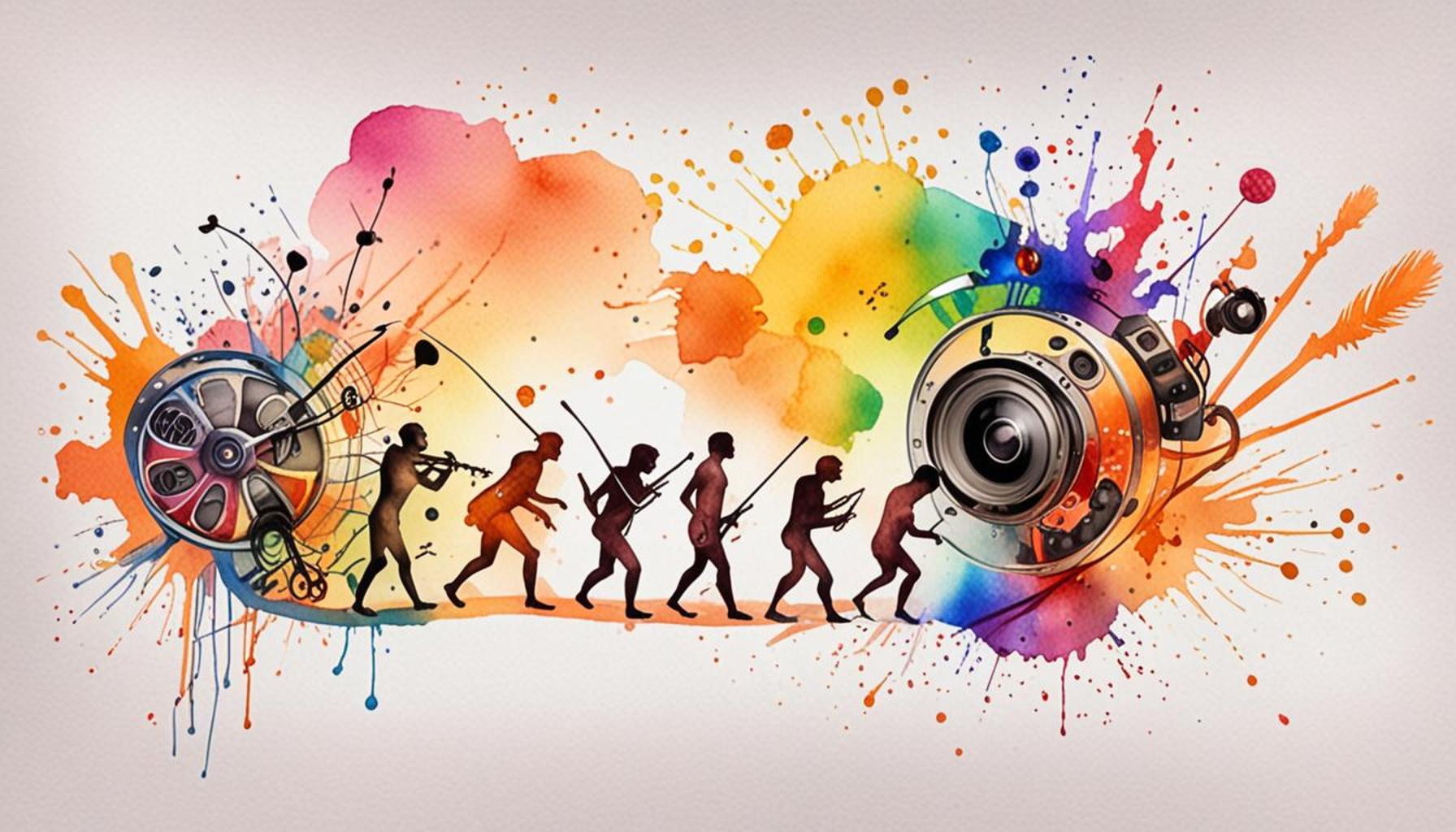
Exploring the Evolution of Performing Arts
The transformation in the performing arts, primarily spurred by technological advancements, is not just a trend; it is a revolution that has redefined the very foundation of how art is experienced. With the advent of innovative tools and platforms, artists can now transcend geographical barriers and engage with their audiences in unprecedented ways.
Digital Streaming: Bridging Global Experiences
Digital streaming has emerged as a game changer for performers worldwide. Platforms such as YouTube, Facebook Live, and Twitch allow artists to broadcast their performances to millions of viewers simultaneously. For example, during the COVID-19 pandemic, many theaters and musicians shifted to virtual performances, leading to events like the Global Citizen concert, which brought together artists from around the world to advocate for social causes while engaging a massive online audience. This approach not only widened the audience’s reach but also created new revenue streams through pay-per-view and donations, fundamentally altering traditional business models in the performing arts.
Augmented Reality: The Future of Engagement
Similarly, augmented reality (AR) has started to make waves in live performances. This technology allows audiences to engage in a multi-dimensional experience that blends the physical and digital realms. For instance, performances such as “Sleep No More,” an immersive theater experience in New York City, leverage AR features to enhance storytelling. By incorporating visual elements through smartphones or AR glasses, creators can take their art beyond conventional stage setups, offering personalized experiences that redefine audience participation.
Social Media: Redefining Interaction
Social media platforms like Instagram and TikTok have revolutionized how artists market themselves and interact with fans. They serve as vital tools for brand-building and engagement, enabling creators to showcase their talents through short clips, behind-the-scenes looks, and live Q&A sessions. A notable example is the viral popularity of dance challenges on TikTok, where performances frequently cross boundaries between amateur content and professional choreography, blurring the lines of art and entertainment.
However, the integration of technology prompts critical questions about the future of artistic integrity. Are traditional forms of expression at risk of being overshadowed by rapidly evolving trends? As performers adopt these new tools, navigating this terrain requires a careful balance between embracing innovation and preserving the essence of their art.
As we navigate through this multifaceted evolution, it is crucial to weigh both the opportunities technology provides and the inherent challenges it poses. The ongoing dialogue surrounding these issues will shape the future of performing arts, steering it toward an increasingly digital and interconnected landscape.
DISCOVER MORE: Click here to learn how creativity boosts mental health
Revolutionizing Performance Spaces with Technology
The impact of technology on the performing arts extends far beyond the confines of digital streaming and social media. Virtual reality (VR) is a prime example of how immersive technology is transforming performance spaces, offering audiences experiences that were previously unimaginable. VR enables spectators to participate in a performance as if they were within the action itself, breaking the fourth wall in ways that traditional theater could never achieve. For instance, productions like “The Under Presents” combine elements of live theater with VR environments, allowing users to navigate through fantastical spaces while interacting with actors in real-time. This not only heightens emotional engagement but also democratizes access to high-quality performances from the comfort of one’s home, particularly beneficial for those who may have mobility issues or access restrictions.
Moreover, the integration of artificial intelligence (AI) into the creative process has opened new pathways for artists. AI technologies are now being used to compose music, generate visual content, and even assist in scriptwriting. Projects such as “AIVA” (Artificial Intelligence Virtual Artist) use machine learning algorithms to analyze and create music that can evoke human emotions. This raises interesting discussions in the realm of authorship and creativity—is a work created by AI less valuable than that crafted by a human hand? As AI continues to evolve, it blurs the lines of authorship, establishing collaborative partnerships between humans and machines.
Transforming Audience Experience through Interactivity
The role of the audience has also dramatically shifted due to technology. Performances are increasingly becoming interactive, promoting a bidirectional exchange between artists and their viewers. One way this interactivity manifests is through mobile applications that allow audiences to influence aspects of a live performance in real-time. For example, shows like “Redemption” have developed platforms where audience choices directly affect the outcome of a storyline, amplifying immersion and personal investment in the performance.
The necessity for engaging unique experiences has spurred an emergence of new genres and formats in the performing arts, including:
- Immersive theater: which places audiences within the action, allowing them to explore the environment freely.
- Interactive digital performances: where audience input guides the progression of the narrative.
- Hybrid formats: blending conventional performance styles with technological innovations to create novel experiences.
As technology redefines the audience’s role, it also prompts a reevaluation of what constitutes a performance. The traditional definitions are being challenged, urging both creators and viewers to adapt to a landscape enriched by constant technological innovation. This evolution raises critical inquiries: how much control should an audience wield, and what are the implications of shifting power dynamics in art? Understanding these nuances is essential as we advance towards a future where technology plays an ever-increasing role in shaping the performing arts.
The Transformation of Performance Spaces
The landscape of performance art has witnessed a significant transformation due to technological advancements. The stage itself has evolved from traditional settings to dynamic, interactive spaces that enhance audience engagement. Augmented reality (AR) and virtual reality (VR) are redefining how stories are told, allowing performances to transcend the boundaries of the physical stage. These technologies enable theatrical productions to create immersive environments where the audience can participate, effectively blurring the lines between performer and viewer.
Enhanced Accessibility
Technology has also played a crucial role in making performing arts accessible to wider audiences. Live-streaming capabilities allow performances to reach individuals who may be unable to attend due to geographical or physical constraints. This shift toward digital access has broadened the audience demographics, facilitating a more inclusive approach to the arts. Moreover, initiatives such as captioning and audio descriptions during performances cater to individuals with disabilities, ensuring that everyone can experience the beauty of performance art.
Interactive Experiences
Modern performances are increasingly interactive, thanks to social media and audience engagement platforms. Performers can communicate with their audiences in real-time, receiving immediate feedback and fostering a communal atmosphere. The integration of apps or SMS-based platforms allows viewers to influence aspects of the show, from voting on plot directions to participating in live polls. This level of interactivity not only heightens audience involvement but also provides performers with valuable insights into viewer preferences.
The Evolution of Training
Performing arts training has adapted to incorporate technology, enhancing skill development for aspiring artists. Online platforms and tutorials have emerged, allowing individuals to learn from industry experts without geographical limitations. This democratization of education enables a more diverse array of voices to contribute to the arts, enriching the cultural tapestry of performance art.
| Advantage | Description |
|---|---|
| Increased Interactivity | Technologies allow audiences to engage directly with performances, altering experience in real-time. |
| Wider Accessibility | Live-streaming and digital content expand reach, making performing arts available to a global audience. |
The Future of Performing Arts
As technology continues to advance, the future of performing arts is poised for further evolution. The integration of artificial intelligence in creating pre-recorded performances may pave the way for entirely new genres and styles. Additionally, the artistry involved in blending physical performances with digital elements is likely to foster innovative collaborations between artists from various disciplines, ultimately enriching the cultural fabric of society.
DISCOVER MORE: Click here to learn how music can enhance your well-being
New Dimensions of Creativity: Technological Innovations in Performance Art
As technology permeates every aspect of life, the realm of performing arts is no exception, with digital technology emerging as a pivotal force in enhancing artistic expression. One particularly transformative innovation is the use of projection mapping, a technique that utilizes digital projectors to render images and animations onto surfaces, bringing new depth and dimension to stage design. Productions like “The Lion King,” known for its breathtaking visuals, leverage this technology to immerse audiences in the story through vibrant scenery that changes dynamically with the narrative. Such techniques make performances more visually stimulating, inviting viewers to engage not just through plot and character but also through striking aesthetics.
In addition to visual enhancements, modern performances increasingly finance their creativity through crowdfunding platforms. Artists are turning to sites like Kickstarter and Indiegogo to raise necessary funds, fostering a more democratic landscape for performance artistry that enables storytellers to explore less conventional themes that resonate with niche audiences. By eliminating the dependency on traditional funding sources, artists can take creative risks that push the boundaries of performance art itself. This self-directed funding model not only gives rise to inventive storytelling but also engages communities in immersive dialogues around the projects they support.
Virtual Collaboration and Global Reach
The era of remote collaboration has also dramatically reshaped the performing arts. Cloud-based platforms facilitate global partnerships among artists, enabling them to co-create regardless of geographical limitations. The rise of virtual rehearsals allows even dance troupes like the New York City Ballet to maintain seamless choreography while ensuring the safety of their performers. These technological advances have been instrumental in fostering an environment where artists can collaborate across borders and cultures, challenging the traditional notions of artistic creation.
Furthermore, augmented reality (AR) enhances engagement by layering digital elements onto the physical stage in real-time, providing audiences with enriched narratives. Productions such as “Ghostbusters Live!” have embraced this technology to merge live performance with digital accompaniment, transforming the way audiences experience theater. AR acts as a bridge, paving the way between the real and the imagined, and allowing for opportunities that extend beyond what the physical or digital realms could offer alone.
The ability of technology to allow artists to reach wider audiences cannot be overstated. Platforms like YouTube or Vimeo allow performances to be broadcasted worldwide, enabling artists from diverse backgrounds to share their work while also cultivating a global audience. Noteworthy initiatives such as National Theatre Live export filmed performances to cinemas across the globe, offering individuals the experience of world-class theater performances who may not have the opportunity to visit a theater in person. Such innovations cultivate a systemic shift in how art is consumed, fostering increased appreciation for diverse artistic styles and narratives.
As the landscape of performing arts evolves, technology plays a critical role in influencing how stories are told and experienced. By utilizing tools such as projection mapping, crowdfunding, and virtual collaboration, artists are challenging conventions and redefining what it means to perform. As these technologies continue to develop, one can only imagine the new forms of artistic expression that will emerge, inviting audiences to embark on extraordinary journeys that transcend the limits of the imagination.
EXPLORE MORE: Click here to dive deeper into digital design tools
Conclusion: The Future of Performing Arts in a Technological Age
In conclusion, the evolution of performing arts, significantly influenced by technology, marks a thrilling new chapter in artistic expression. The integration of digital technology has not only enhanced visual storytelling through techniques like projection mapping but has also democratized the creative process via crowdfunding platforms, allowing artists to take bold risks and engage diverse audiences. The advent of cloud-based collaboration and augmented reality (AR) is further expanding the boundaries of performance art, creating dynamic environments where creativity knows no geographic limits.
A key takeaway is that these technological advances do not merely serve as tools but as catalysts for innovative narratives, pushing artists to explore unconventional themes that resonate on a global scale. As productions reach communities through virtual means and platforms such as YouTube and Vimeo, we are witnessing a significant shift in consumption patterns, providing audiences with unparalleled access to artistic experiences.
In light of these developments, it is crucial for stakeholders in the performing arts—artists, producers, and institutions—to embrace these changes and adapt their practices. By remaining curious and receptive to new technologies, they can unlock genres and formats that captivate the imagination of future audiences. As we move forward, one can only anticipate the exciting fusion of creativity and technology, promising a vibrant landscape where performing arts will thrive in ways previously unimagined.
Related posts:
The Importance of Performing Arts in Community Mental Health and Well-Being
How Performing Arts Contribute to the Development of Empathy in Children and Adolescents
The Evolution of Performing Arts: How New Technologies Are Transforming the Stage
Performing Arts as a Tool for Social Activism: Voices that Transform
How Dance and Theatre Enhance Mental Health and Emotional Well-Being
The Role of Performing Arts in Mental Health: Therapy Through Performance
Linda Carter is a writer and creative hobbies expert specializing in crafting, DIY projects, and artistic exploration. With extensive experience helping individuals discover their creative potential and bring their ideas to life, Linda shares her knowledge on our platform. Her goal is to empower readers with practical tips, inspiring ideas, and step-by-step strategies for success in the world of creative hobbies.