Artistic Expression and Wearable Technology: Innovations That Are Changing the Way We Create and Share Art
The Impact of Wearable Technology on Artistic Expression
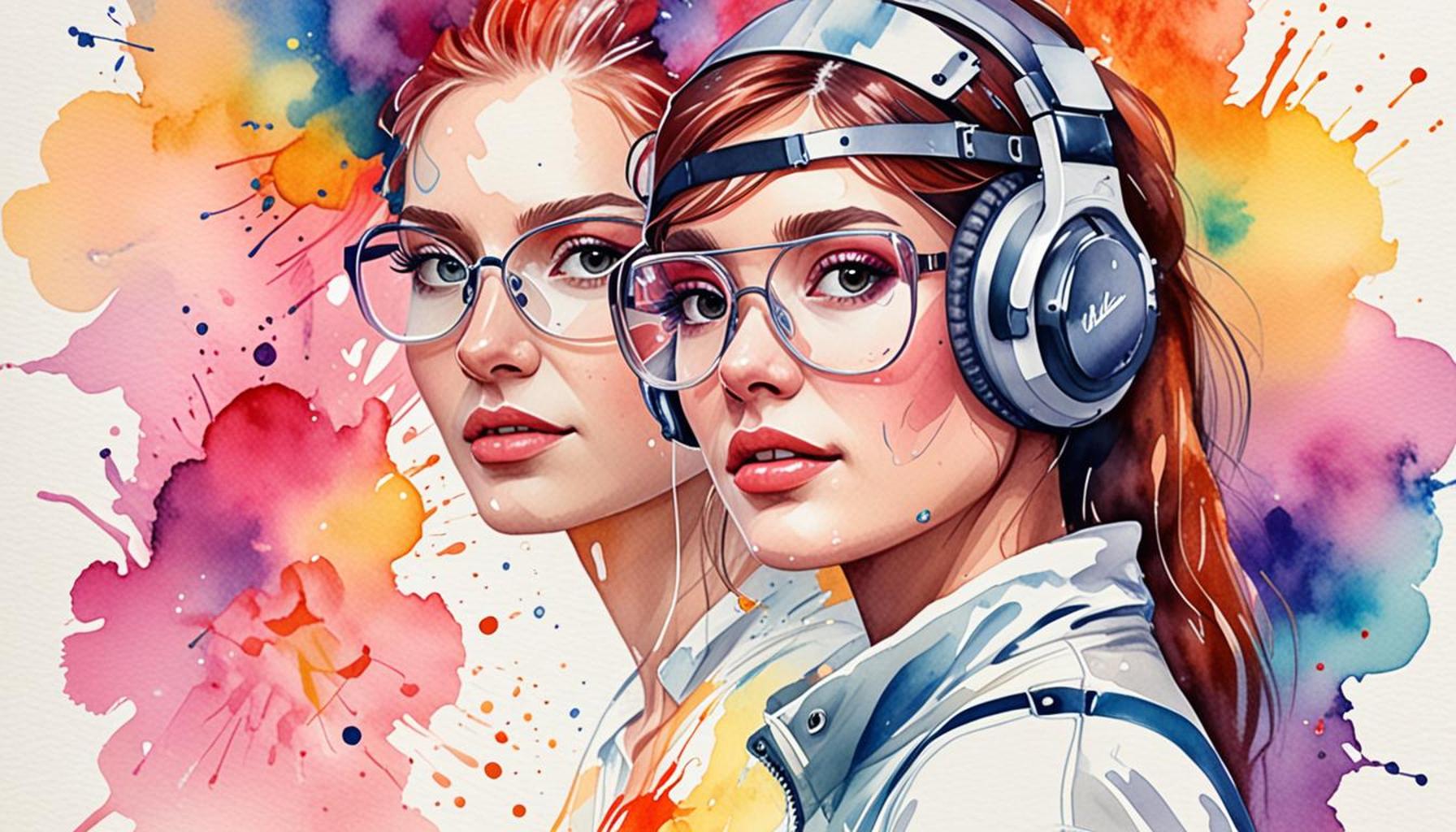
The gradual integration of artistic expression and wearable technology represents a groundbreaking evolution in the art world. This fusion is empowering artists to experiment beyond traditional boundaries, forging a pathway to dynamic experiences that engage audiences on multiple levels. In this age of digital innovation, artists are not just creators; they become storytellers who use technology to add depth and interaction to their artworks.
One standout example of this phenomenon is the use of smart textiles. These innovative fabrics can dynamically change colors and patterns in response to various stimuli, such as temperature, sound, or even the wearer’s physiological signals. For instance, designer Anouk Wipprecht has created dresses that react to a wearer’s heartbeat, visually manifesting their emotions through color changes. This transforms a mere garment into a shifting canvas, inviting viewers to contemplate the relationship between technology and personal expression.
Furthermore, the advent of wearable devices has radically redefined performance art. Artists like Keiichi Matsuda are utilizing motion-sensing devices that respond to the performer’s movements, creating a real-time visual spectacle. During live performances, the audience becomes part of the art, witnessing a symbiotic relationship between the performer and technology that has never been more engaging. Such interactions break down the barrier between artist and viewer, transforming spectators into active participants, which enhances the overall experience.
Augmented reality (AR) also plays a pivotal role in this artistic revolution. By overlaying digital elements onto physical surroundings, AR can turn static exhibits into lively, interactive environments. For instance, artists like Olafur Eliasson have explored the intersection of reality and digital enhancement, allowing viewers to engage with their surroundings in a completely new way. Attendees at exhibitions can use their smartphones or AR glasses to experience added layers of narrative and emotional depth to the artworks, leading to a richer understanding of the themes presented.
This innovative convergence of art and technology prompts important discussions about creativity in the modern age. Questions arise regarding the democratization of art; can these accessible technologies allow a broader spectrum of voices to be heard? As artists from diverse backgrounds leverage these tools, new forms of expression are emerging, enriching our cultural narrative.
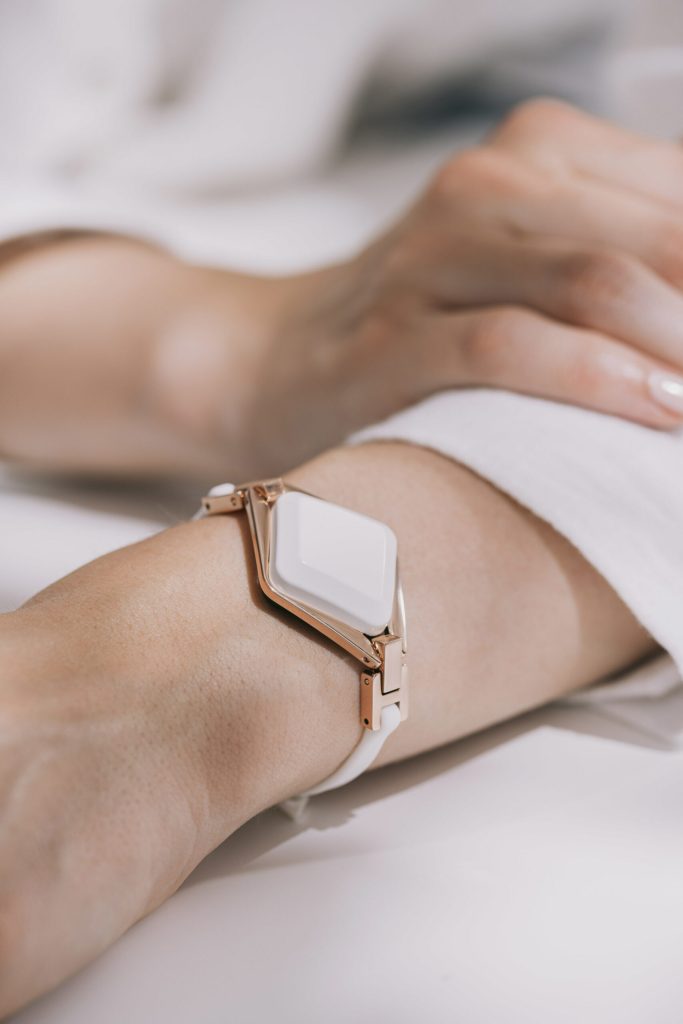
In delving deeper into this topic, one can see that wearable technology is not merely a trend; it marks the beginning of an exciting chapter in artistic exploration. With each technological advancement, artists are equipped with new means to challenge perceptions, ignite imagination, and craft meaningful connections between their art and audiences worldwide. As this field continues to evolve, the possibilities for collaboration and innovation are limitless, promising an even more vibrant cultural landscape in the years to come.
DON’T MISS: Click here for essential tips and tools
Revolutionizing the Artistic Landscape
The marriage of artistic expression and wearable technology is catalyzing unprecedented changes in how art is both created and experienced. As technology continues to advance at a remarkable pace, artists are finding new avenues to deliver their messages, pushing the conceptual boundaries of what art can be. This revolution is not just limited to traditional art forms but spans a diverse array of disciplines, enabling artists to reach wider audiences and invoke deeper engagement.
One of the most exciting aspects of wearable technology is its ability to facilitate personal storytelling. Artists are beginning to create pieces that are not merely for visual appreciation but serve as an extension of personal narratives. For example, wearables equipped with sensors can capture real-time data about the wearer’s environment or emotional state, transforming individual experiences into art that resonates on a universal scale. Items such as the “Emotionally Responsive Jewelry” by designer Francesca Rosella utilize technology to reflect a person’s emotional state through changing colors and vibrations, making personal interaction an integral part of the artwork.
Moreover, the integration of art and technology fosters collaboration among creators and industries that were once disparate. This synergy can be highlighted in various artistic expressions, ranging from fashion to performance art, where artists collaborate with engineers and technologists. Below are some key examples of how wearable technology is influencing various artistic mediums:
- Fashion and Wearables: Designers are innovating with smart fabrics that can display programmable graphics, allowing for runway shows that evolve in real-time based on music and audience interaction. This can lead to unparalleled storytelling during fashion presentations.
- Art Installations: Interactive installations that incorporate wearables enable viewers to influence the artwork based on their movements or biometric data, creating a unique dialogue between the art and the observer.
- Performance Art: Costumes equipped with responsive technology allow performers to enhance the emotional and visual impact of their acts, capturing the attention of the audience in ways that traditional performance lacks.
- Public Art: Wearable devices can facilitate community engagement in public art projects, fostering collaboration among local artists, residents, and technologists to create more dynamic, participatory art pieces that reflect community identity.
In exploring how wearable technology is reshaping the artistic landscape, it becomes evident that this innovation is a tool for empowerment. Artists can utilize these platforms to express multifaceted stories that combine personal feelings with broader cultural themes. As this intersection of technology and creativity flourishes, it raises intriguing questions about the future of art: How will artists leverage these tools to push creativity beyond its imaginative limits? What new narratives will emerge as artists from diverse backgrounds access similar technologies? The answers to these questions will ultimately shape how art is conceived, shared, and celebrated in the years to come.
| Category | Key Features |
|---|---|
| Interactive Wearables | Devices that allow artists to engage directly with their art in real-time, transforming traditional practices. |
| Enhanced Creativity | Wearable technology opens up new mediums and methods, allowing for innovative expressions and collaborative works. |
| Audience Engagement | Wearing art can change the dynamics of exhibitions, inviting viewers to participate and explore art on a personal level. |
| Data-driven Art | Artists can leverage data collected by wearables to create pieces that reflect societal behaviors and trends, adding layers of meaning. |
The incorporation of wearable technology into artistic practices is not only reshaping the creative process but is also redefining the relationship between the artist and their audience. Artists can now utilize these devices to create stunning visuals while also receiving immediate feedback from viewers. This newfound connection creates a dialogue that fosters a greater appreciation for the art being displayed, blending the boundaries of performance art and digital creation.Moreover, wearable tech promotes the concept of mobile art, allowing creators to generate and share their work on various platforms instantly. Whether it’s through augmented reality applications or interactive installations, artists are now afforded opportunities to express their creativity in ways that were previously unimaginable. This evolution in artistic expression encourages a continuous exploration of innovative tools, modifying how art is conceived and consumed in contemporary culture. As wearables become more prevalent, they stand to revolutionize the art community, highlighting a future filled with limitless artistic possibilities.
DISCOVER MORE: Click here to delve into the emotional benefits of music
The Intersection of Creativity and Technology
As we delve deeper into the realm of artistic expression blended with wearable technology, it becomes apparent that innovation is not just reshaping the creation and presentation of art but significantly transforming the relationship between the artist and the audience. This transformation is typified by the rise of new platforms and methods that facilitate artistic engagement in immersive ways, inviting spectators to become active participants rather than mere observers.
One notable development in this arena is the emergence of augmented reality (AR) wearables, which allow users to interact with art in innovative ways. Artists like KATSU have employed drones and AR technology to paint on surfaces that were previously inaccessible, effectively elevating street art to a new dimension. Using wearables that synchronize with AR apps, viewers can experience the digital augmentation of art pieces on the streets through their smartphones or AR glasses, breathing life into static graffiti and murals. This immersive experience not only enhances the viewer’s connection to the piece but also democratizes art by making it accessible to a wider public.
Beyond engagement, wearable technology influences the business of art. Artists are leveraging platforms that utilize blockchain—a technology underpinning cryptocurrencies—to authenticate and sell their work. The concept of digital fashion exemplifies this shift, where designers create virtual garments that can be worn in digital environments. Brands like DressX allow users to purchase and “wear” digital clothing in social media settings or virtual reality experiences, seamlessly merging artistic expression with commerce. This innovation not only taps into sustainability by reducing the environmental impact of fashion but also opens up new revenue streams for artists and designers alike.
The function of social media in this ecosystem cannot be overlooked. With wearable tech integrated into social networks, artists are rapidly sharing their creations, thoughts, and processes with a global audience. Platforms like Instagram have transformed exhibition practices, where live-streaming fashion shows or art installations can reach thousands around the world without physical limitations. Furthermore, interactive wearables linked to social media can gauge real-time audience reactions, allowing artists to adjust their presentations for maximum impact and engagement. This blurs the line between creator and consumer, fostering a community of co-creators who influence the artistic experience.
- Wearable Devices as Tools: Artists are using wearables not just as canvases but as tools that aid the creative process itself. For instance, the Wearable Art Kit allows users to experiment with textile design, leading to garments that tell stories and react to the environment.
- Interactive Exhibitions: Museums are adopting wearable technology to enhance visitor experiences. Through smart bands, visitors receive personalized tours, discover hidden features in exhibits, and interact with art on a new level, transforming traditional spaces into dynamic storytelling environments.
- Data Visualization: Artists like Ryoji Ikeda create works that visualize large sets of data, manifesting complex information into striking visual installations. With wearables, they can track audience responses, creating art that evolves in real-time based on collective engagement.
As wearable technology continues to advance, the artistic opportunities and implications appear limitless. This evolution not only revolutionizes how art is made and shared but also raises critical discussions about the authenticity and ownership of digital art. Artists and art enthusiasts alike are navigating this new landscape, questioning what constitutes art in a world where the boundaries between the physical, digital, and emotional are increasingly blurred. The future promises to be as dynamic and thought-provoking as the technology shaping it, making it an exciting time for both creators and consumers of art.
DIVE DEEPER: Click here to uncover beginner techniques for boundless creativity
Conclusion: Embracing a New Artistic Landscape
As we stand at the confluence of artistic expression and wearable technology, it is clear that we are witnessing a fundamental shift in the ways art is conceived, produced, and experienced. Innovations such as augmented reality and digital fashion are not merely enhancing our artistic encounters; they are redefining our very understanding of art itself. This new era invites artists and audiences alike to rethink traditional paradigms, creating a collaborative environment that transcends geographical and physical boundaries.
The rise of platforms that integrate blockchain technology and social media serves as a powerful catalyst for accessibility and engagement, empowering artists to reach global audiences instantaneously. Wearable devices are transforming both the creative process and the consumption of art, encouraging interactivity and personalization in ways previously unimaginable. As these technologies continue to evolve, they also provoke essential debates about authenticity, ownership, and the very essence of what it means to be an artist in a digital landscape.
Looking ahead, it is imperative for both creators and consumers to remain open and adaptable in this rapidly changing environment. The fusion of technology and art not only enhances creative possibilities but also fosters a community where collaboration and innovation thrive. In this exciting new paradigm, we are all potential co-creators—actively participating in shaping the future of art. As we embrace this evolution, we invite you to explore, engage, and challenge your perceptions of art as it unfolds before us in both physical and digital realms.
Related posts:
Art as a Tool for Cultural Connection: Celebrating Diversity Through Creative Expression
The Importance of Art in Education: How Creative Expression Enriches Young People's Learning
The Influence of Music on Artistic Expression: How Melodies and Lyrics Inspire Other Forms of Art
The Importance of Artistic Expression in Mental Health: How Creating Art Can Aid in Self-Healing
Exploring Different Forms of Artistic Expression: Painting, Sculpture, and Performance as Means of C...
The Intersection of Art and Fashion: How Creatives Are Reinventing Trends through Artistic Expressio...
Linda Carter is a writer and creative hobbies expert specializing in crafting, DIY projects, and artistic exploration. With extensive experience helping individuals discover their creative potential and bring their ideas to life, Linda shares her knowledge on our platform. Her goal is to empower readers with practical tips, inspiring ideas, and step-by-step strategies for success in the world of creative hobbies.