The Influence of Music on Artistic Expression: How Melodies and Lyrics Inspire Other Forms of Art
Understanding the Synergy Between Music and Other Art Forms
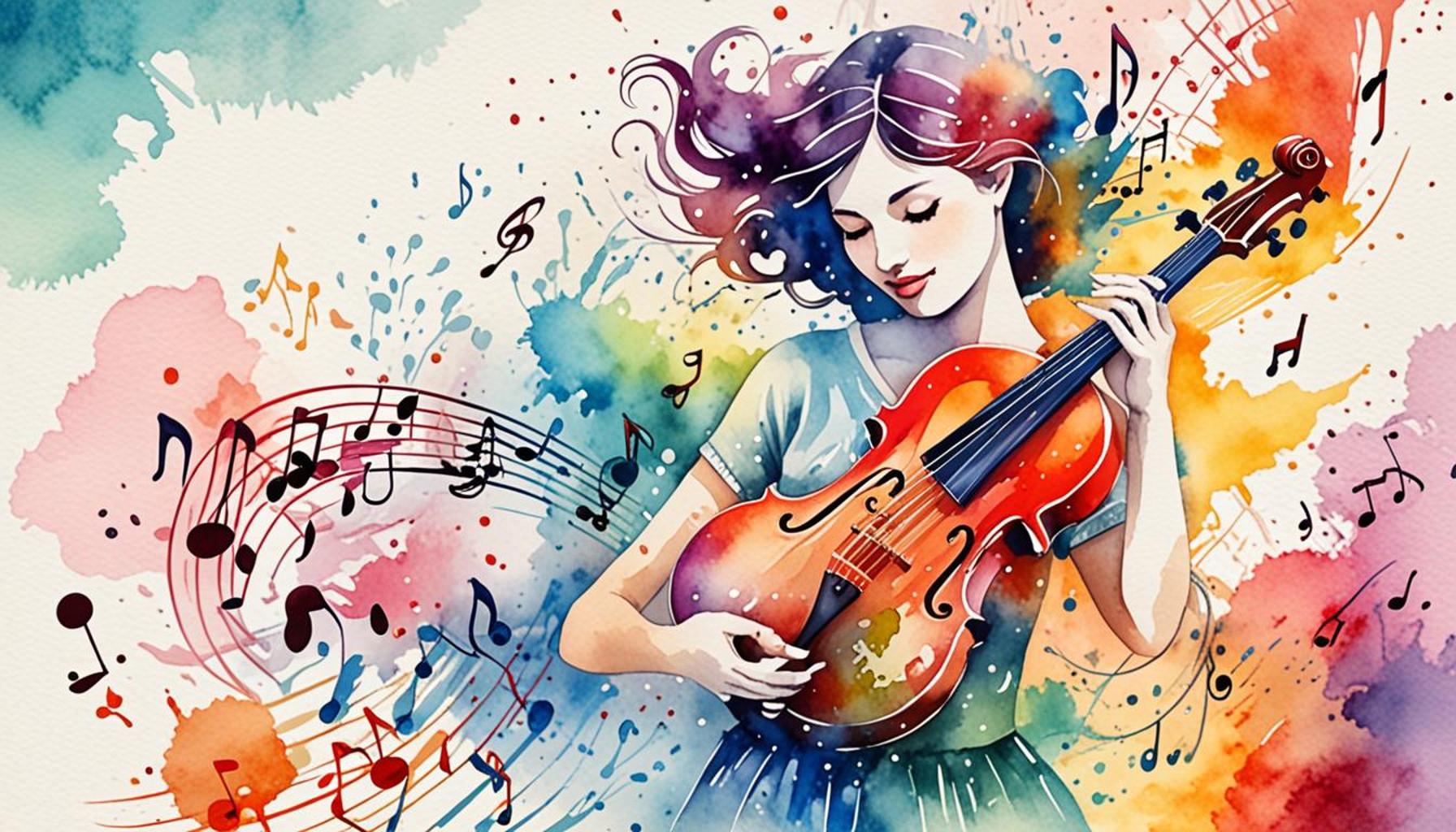
Throughout history, the rhythms of music have transcended their auditory bounds, spilling into visual arts, literature, and even dance. The profound impact of melodies and lyrics can be witnessed in various artistic expressions, drawing connections that pulse with creativity. These interactions create a rich tapestry of cultural dialogue that amplifies the significance of each art form.
Consider how the following elements of music have influenced other art forms:
- Emotional evocation: Music has the power to elicit strong feelings, which can be mirrored in visual art and poetry. For example, Claude Monet’s Impressionist paintings are often seen as visual interpretations of the emotional landscapes created by musical compositions, such as those by Claude Debussy. Both artists express fleeting moments of beauty, inviting viewers and listeners to delve into complex emotional responses.
- Rhythm and movement: The beat of a song often inspires dance or choreographed performances, celebrating the physicality of art. The iconic performances of Martha Graham and Alvin Ailey have demonstrated how dance can embody the tempo and rhythm of music, transforming sound into vibrant physical expression. Jazz and hip-hop styles, in particular, have roots embedded deeply in musical rhythms, creating an unbreakable bond between these art forms.
- Storytelling: Song lyrics can narrate tales, prompting authors and playwrights to explore similar themes in their works. Bob Dylan’s lyrics, for example, have inspired countless authors in their storytelling techniques. His songs often encapsulate profound narratives reflecting social and political commentary, which have been echoed in the works of contemporary novelists like Joan Didion. Similarly, musicals such as “Hamilton” not only use music to tell history but also influence how that history is perceived today.
This synergy between different forms of artistry has resulted in transformative works that challenge our perceptions and spark inspiration. Artists across the United States and around the world continually tap into musical influences to create new experiences that resonate deeply with audiences. For instance, the growing trend of multimedia installations, combining visual art with live music performance, is a testament to this interconnectedness.
As we delve deeper into this intriguing interplay, we uncover numerous examples of how melodies and lyrics have shaped various artistic domains. From Andy Warhol’s interpretations of pop music culture to the ways in which modern filmmakers create soundtracks that greatly enhance storytelling, the integration of music and art invites a renewed appreciation for the vibrant tapestry of human expression. This ongoing relationship between music and other art forms is crucial in understanding the evolution of culture and creativity.
DISCOVER MORE: Click here to learn about the effects of digital design tools on creativity
The Emotional Landscape: Music’s Resonance in Visual Art
The connection between music and visual art is as profound as it is enchanting. Visual artists often draw on the emotional resonance of music to elevate their creations, crafting pieces that not only depict a scene but also evoke a sensory response akin to listening to a symphony. This practice can be seen in the works of artists who consciously align their brushstrokes with musical components, translating sound into color and movement. A notable example is Wassily Kandinsky, whose abstract paintings were influenced by the concepts of rhythm and harmony found in music. He famously stated that “music is the ultimate teacher,” emphasizing how auditory experiences can translate into visual language.
Moreover, colors can reflect musical tones. For instance, warmer colors like red and yellow might depict lively, upbeat tunes, while cooler hues like blue and green may evoke melancholic melodies. This synesthetic approach not only enriches the viewer’s experience but also allows artists to communicate emotions that are often ineffable. Artists such as Jackson Pollock, whose action paintings mimicked the spontaneity and rhythm of jazz music, exemplify how music can profoundly influence a creative process.
The Influence of Lyrics on Contemporary Literature
Lyrics often serve as a rich source of inspiration for writers and poets. The narrative dimensions found in songs encourage authors to explore similar themes in their literature, elevating the storytelling craft. Take, for instance, the work of Leonard Cohen; his songs often emerged from profound literary roots, inspiring authors around the globe. Cohen’s poetic abilities infused his lyrics with depth, intertwining personal experiences and universal themes, resonating with the literary style of writers such as F. Scott Fitzgerald and Ernest Hemingway.
In addition, the contemporary literary landscape sees a rise in hybrid forms, where prose and song lyrics merge seamlessly. Novels like “Just Kids” by Patti Smith reflect this intersection, capturing personal stories that are deeply musical in essence. They invite readers to not only read but also experience a novel in tandem with an imagined soundtrack, further enhancing emotional depth.
Crafting Movement Through Dance
Dance, perhaps more than any other art form, embodies the essence of music in its purest physical form. The fluidity of movement in dance captures the intricate rhythms and melodies produced by musical compositions. Choreographers like Martha Graham have drawn from the emotive power of music to create pieces that resonate with the very heartbeat of the sounds accompanying them. Styles such as ballet and contemporary dance resonate with distinct musical styles, each interpreting melodies and harmonies in a way that enhances the overall experience for the audience.
- Hip-hop: This dance form celebrates urban music and often highlights the cultural and social stories found within the lyrics, illustrating a connection to both music and society.
- Ballet: Typically performed to classical music, ballet draws on structured components and intricate melodies, allowing dancers to narrate stories through rigorous and graceful movements.
- Contemporary dance: This genre is free-form and often reflects personal expression, with music ranging from classical to modern tracks, creating a diverse and emotional experience.
The intricate dance between music and movement illustrates how deeply intertwined these art forms are, each enhancing the understanding and appreciation of the other.
The Interconnectedness of Music and Visual Arts
The dialogue between music and visual arts is a profound one, where melodies and lyrics don’t just resonate in ears but also bounce off canvases and sculpture. For centuries, artists have found inspiration in music, crafting pieces that capture the essence of rhythms and harmonies. The notion of synesthesia, a condition where stimulation of one sense leads to involuntary experiences in another sense, can be exemplified here as visual artists interpret the auditory world into tactile and sightful expressions. This intricate relationship stimulates creativity, leading to the creation of works that cause viewers to “hear” the colors and “see” the sounds.
Musical Elements in Literature
In literature, the impact of music can be seen in the lyrical quality of poetry and prose. Writers often channel the cadence of songs—be it the repetitive structures of pop or the complex narratives found in opera—into their storytelling. Literary greats like Virginia Woolf viewed music as a muse, asserting that its rhythm and emotional range could evoke deep responses from readers. This connection has led to the development of rich literary traditions where themes and emotions explored in songs find their way into narratives, creating layered experiences for readers.
Multimedia Art Forms
The rise of multimedia art forms further illustrates how music inspires artistic expression. Installations that incorporate soundscapes invite viewers into an experiential journey, marrying visual storytelling with auditory stimulation. Artists like Bill Viola have incorporated sound to enhance the emotional depth of their video installations, showcasing music’s role in amplifying visual messages. This fusion leads audiences to engage with the artwork on multiple sensory levels, enhancing their understanding and appreciation.
Recipes for Artistic Collaboration
Collaborations between musicians and visual artists spawn innovative works that blur traditional boundaries. Album art often becomes a canvas for visual artists to depict the themes of the music contained within. The iconic designs of Pink Floyd’s “The Dark Side of the Moon,” created by Storm Thorgerson, are a testament to how art and music can elevate one another, as the visuals complement and enhance the auditory experience.The influence of music on these various forms of artistic expression serves as a reminder of the universal language that resonates through all forms of creativity. As we dive into the heart of this subject, it is essential to recognize the myriad ways melodies and lyrics inspire artists across disciplines, leading to a richer, more interconnected cultural tapestry. This exploration prompts us to ask how our own experiences with songs can translate into forms of expression, urging a closer examination of the sounds that shape our artistic landscapes.
DIVE DEEPER: Click here to discover the evolution of digital design
Interdisciplinary Collaborations: The Fusion of Music with Theatre and Film
The symbiotic relationship between music and other art forms extends beyond visual art and literature, finding its way into the realms of theatre and film. Theatrical performances, whether musicals or straight plays, consistently lean on soundtracks to heighten the emotional stakes and enhance narrative depth. The ingenious ways in which composers, such as Stephen Sondheim and Lin-Manuel Miranda, interlace lyrics and melodies to highlight character development and thematic elements, demonstrate how music can propel a storyline forward. In Miranda’s “Hamilton,” for instance, the fusion of rap, R&B, and traditional musical styles not only tells the tale of America’s founding fathers but also reflects the cultural diversity of contemporary America.
Similarly, in the world of film, directors often employ carefully curated soundtracks to evoke specific emotions and underscore moments of character vulnerability or triumph. Iconic films such as “The Graduate” featured the Bombast of Simon & Garfunkel’s tunes, forever associating their music with the film’s themes of disillusionment and the quest for identity. The haunting score of films like “Inception,” composed by Hans Zimmer, invites viewers to navigate complex questions of reality in an auditory experience that echoes the intricacies of the visual journey.
Music as a Catalyst in Interactive Art Forms
The rise of interactive art installations and performances highlights the revolutionary potential of music to engage audiences in new ways. Multi-sensory experiences that incorporate sound, movement, and visual elements invite participants to engage with art as co-creators. For instance, artists like Ryoji Ikeda fuse music and visual components to create works that challenge perceptions of sound and space. Visitors can immerse themselves in environments where every note corresponds to movements in projected imagery, further blurring the lines between auditory and visual experiences.
- Sound art: This nascent genre breaks traditional barriers, allowing artists to explore the sonic landscape as a primary medium. Interactive pieces often invite audience participation, where sound evolves through each viewer’s input.
- Performance art: Here, musicians and visual artists collaborate to craft experiences that redefine performance dynamics. Works like Marina Abramović’s “The Artist Is Present” exemplify how sound can serve as a backdrop for deeper emotional exploration and human connection.
- Augmented reality (AR) installations: New technologies allow audiences to hold devices that interact with sound, creating a unique interplay between music and visual art forms, offering personalized narratives that enhance engagement.
This intersection of music and interactive art not only captivates audiences but also transforms their perceptions of both disciplines. By embracing collaborative projects, artists further illustrate that music’s influence extends far beyond simple melodies; it has the power to inspire profound artistic endeavors that reshape cultural dialogues.
DISCOVER MORE: Click here to learn innovative repurposing ideas
Conclusion: The Enduring Impact of Music on Artistic Expression
The influence of music on artistic expression is profound, transcending boundaries and integrating diverse forms of creativity. As explored throughout this article, music does not merely accompany visual art, literature, theatre, or film; it actively shapes and enhances them. From the intricate soundtracks that drive narratives in movies to the captivating interplay of melodies and lyrics in musical theatre, music serves as a vital catalyst for emotional depth and storytelling that resonates with audiences on multiple levels.
Furthermore, the rise of interactive and multimedia art forms attests to music’s transformative power in engaging audiences as co-creators. Artists today, such as Ryoji Ikeda, are breaking traditional molds, inviting viewers to delve into multi-sensory experiences that redefine how we consume and understand art. This fusion reveals that music not only echoes the human experience but also fosters vibrant dialogues between different artistic mediums.
As we continue to explore these intersections, it becomes clear that music’s role extends far beyond mere background accompaniment. It can provide a thoughtful commentary on societal issues, evoke personal reflections, and drive innovation in art. For creators and audiences alike, the relationship between music and artistic expression remains a profound source of inspiration, prompting us to investigate how melodies and lyrics might further shape our cultural landscape in the future. As this connection deepens, we find ourselves not just spectators but active participants in a rich tapestry of artistic expression.
Related posts:
The Art of Creative Writing: How Words Can Evoke Emotions and Transform Experiences
Art as a Tool for Cultural Connection: Celebrating Diversity Through Creative Expression
The Importance of Art in Education: How Creative Expression Enriches Young People's Learning
Artistic Expression and Sustainability: Creative Projects that Promote Environmental Awareness
The Importance of Artistic Expression in Mental Health: How Creating Art Can Aid in Self-Healing
Exploring Different Forms of Artistic Expression: Painting, Sculpture, and Performance as Means of C...
Linda Carter is a writer and creative hobbies expert specializing in crafting, DIY projects, and artistic exploration. With extensive experience helping individuals discover their creative potential and bring their ideas to life, Linda shares her knowledge on our platform. Her goal is to empower readers with practical tips, inspiring ideas, and step-by-step strategies for success in the world of creative hobbies.