How Crafting Can Be a Form of Occupational Therapy for People with Disabilities
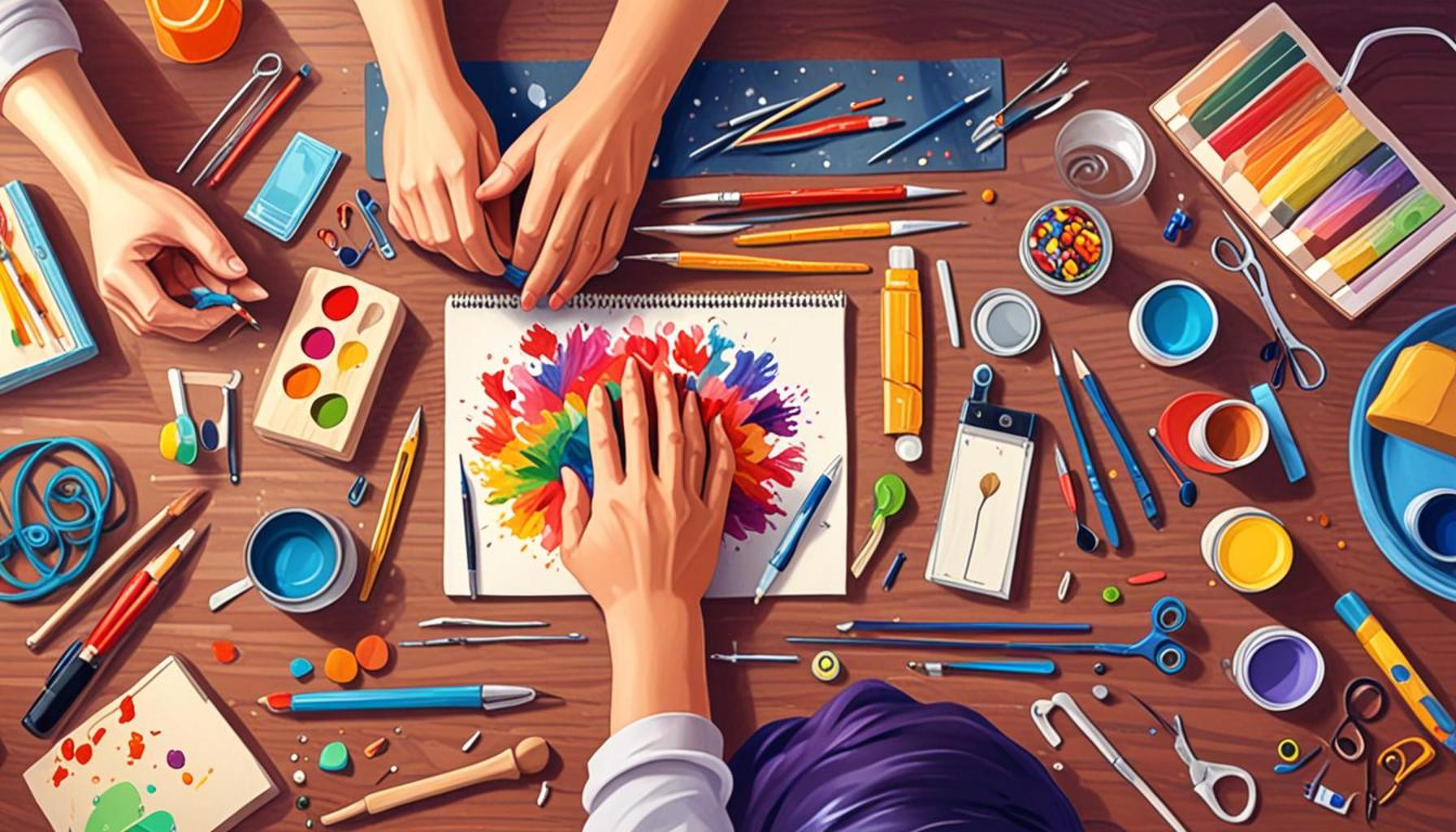
Unlocking Creativity for Healing
Crafting has rapidly gained recognition as a valuable means of therapy, especially within the realm of occupational therapy. This practice extends beyond mere hobbyist pursuits; it serves as a conduit for individuals, particularly those with disabilities, to enhance their lives in several key areas. Engaging in creative activities can lead to remarkable improvements in cognitive function, physical capabilities, and emotional resilience, making it an innovative and effective approach to rehabilitation.
Benefits of Crafting in Occupational Therapy
When individuals with disabilities immerse themselves in crafting activities, they experience a wide range of benefits that contribute to holistic healing. Some notable advantages include:
- Improved motor skills: Crafts like knitting and pottery require fine and gross motor skills, helping to enhance hand-eye coordination and dexterity. For instance, someone working on a knitting project may develop better control over their fingers, which is often essential for everyday tasks.
- Boosted self-esteem: Completing a crafting project, whether it’s a handmade scarf or a custom piece of art, can instill a profound sense of accomplishment. This feeling of achievement is pivotal, as it fosters self-worth and encourages individuals to set and pursue more goals.
- Social connection: Group crafting sessions open the door to camaraderie. Individuals can share experiences, exchange techniques, and support one another, which often leads to lasting friendships and social networks. This aspect is particularly beneficial in community centers, where diverse groups collaborate on projects.
- Stress relief: The repetitive motions involved in activities like painting or clay sculpting can have meditative qualities, helping to alleviate anxiety and improve overall mood. Engaging in these calming practices allows individuals to escape their everyday stresses and focus on creative expression.
Examples of Crafting Activities
The spectrum of crafting activities that serve therapeutic purposes is broad, encompassing various mediums and techniques. Here are several effective examples:
- Painting and drawing provide a vibrant outlet for emotional expression. For many, creating art can articulate feelings that words cannot convey, making it easier to process complex emotions.
- Scrapbooking allows individuals to document personal journeys and life stories, enabling reflection and appreciation. This activity can also serve to enhance organizational skills and creativity.
- Jewelry making not only enhances fine motor skills but also leads to creative design opportunities. Learning to craft intricate pieces can empower individuals, providing a tangible representation of their skills and creativity.
Ultimately, crafting offers empowerment, allowing individuals with disabilities to articulate their thoughts and feelings while simultaneously promoting personal growth and development. Exploring how creative pursuits can bring about transformative changes can lead to incredible breakthroughs, both personally and within communities. As more individuals engage in these therapeutic activities, the ripple effect of positive change can strengthen societal connections and foster inclusive environments.
DIVE DEEPER: Click here to learn essential sewing techniques
Crafting: A Therapeutic Outlet
Crafting is an engaging and multifaceted approach that can significantly aid in the rehabilitation process for individuals with disabilities. As an essential component of occupational therapy, crafting not only addresses physical limitations but also provides cognitive, emotional, and social benefits that are crucial for holistic healing. Various crafting techniques offer practical ways to build skills while creating moments of joy and accomplishment.
Enhancing Cognitive Function
Engagement in crafting activities requires concentration and problem-solving skills, which can significantly enhance cognitive function. For individuals with cognitive challenges, crafting offers an opportunity to practice and improve their focus and memory. Activities like quilting, where one must visualize patterns and use spatial reasoning, serve as mental exercises that promote brain health.
Moreover, research shows that participating in arts and crafts can stimulate the production of neurotransmitters such as dopamine, which are essential for mood regulation and cognitive clarity. The focus required in these activities, combined with the satisfaction of creating something tangible, often leads to improved mental health outcomes.
Building Stronger Motor Skills
Crafting activities are fundamental in developing both fine and gross motor skills. For individuals recovering from injuries or managing conditions like arthritis, tasks such as cutting, gluing, or assembling can facilitate improved hand strength and coordination. Whether it’s molding clay or sewing, these activities encourage repetitive motions that refine muscle memory and enhance dexterity over time.
- Therapeutic knitting: Often recommended for individuals with limited hand mobility, knitting promotes the use of fingers in a controlled manner, enhancing coordination.
- Pottery and sculpting: Working with clay develops hand strength and allows for creative expression while serving as physical therapy for the hands and fingers.
- Origami: This intricate paper-folding art requires precise finger movements, which helps improve fine motor control and cognitive skills simultaneously.
Emotional Healing through Creativity
The emotional benefits of crafting cannot be overstated. Art in any form serves as a powerful medium for expressing feelings that may otherwise be difficult to articulate. Activities like painting or sculpting not only encourage emotional expression but can also serve as a therapeutic distraction, helping individuals cope with anxiety and depression. Engaging in creative work enables individuals to channel their feelings into a constructive outlet, fostering resilience and a sense of peace.
Furthermore, crafting sessions can facilitate dialogue within support groups, where individuals share their experiences and find solace in shared creativity. This sense of community is vital, as it enhances emotional well-being and cultivates a shared identity among participants, reminding everyone that they are not alone in their journeys.
In summary, the therapeutic potential of crafting extends across many dimensions—inviting cognitive stimulation, refining motor skills, and aiding emotional health. As more practitioners recognize the importance of crafting as an occupational therapy tool, individuals with disabilities can gain access to a world of possibilities that foster personal growth and healing.
Continuing to explore the profound impacts of crafting as a form of occupational therapy for individuals with disabilities, it is essential to recognize the multifaceted benefits this activity offers. Crafting activities promote not only physical skills but also enhance emotional well-being and social engagement. The repetitive motions involved in crafting help improve fine motor skills and hand-eye coordination, which are often areas of difficulty for those with various disabilities. Moreover, manipulating different materials, whether it’s clay, yarn, or paint, can strengthen grip strength and dexterity.
Additionally, crafting can be a powerful medium for self-expression. For individuals who may struggle to articulate their feelings verbally, the act of creating can serve as a therapeutic outlet. Engaging in crafting allows for the expression of thoughts and emotions visually, providing a sense of relief and accomplishment. This creative process can significantly boost self-esteem and a sense of identity, establishing a stronger connection with oneself.
Moreover, crafting often takes place in group settings, encouraging social interaction among participants. These communal crafting sessions foster a sense of belonging and can combat feelings of isolation, which are prevalent among individuals with disabilities. Collaborating on creative projects also nurtures teamwork and communication skills, vital components for interpersonal development.
As we delve deeper into the world of crafting as a therapeutic practice, we uncover not only the tangible benefits but also the intangible rewards that can significantly improve quality of life for individuals with disabilities. Engaging in these creative endeavors can unlock pathways to emotional healing and social connectivity, providing a rich, rewarding experience that resonates deeply within the lives of participants.
| Category | Advantage |
|---|---|
| Fine Motor Skills Improvement | Crafting helps develop hand-eye coordination and dexterity through repetitive motion. |
| Emotional Expression | Creating art allows individuals to express feelings that are hard to articulate, enhancing emotional health. |
| Social Interaction | Participation in group crafting sessions builds connections, alleviating feelings of isolation. |
By exploring these benefits further, we can shed light on how crafting not only serves as a therapeutic modality but also enriches the lives of those engaged in the process, making a lasting impact on well-being and community connection.
DISCOVER MORE: Click here to learn about the healing power of art
Social Interaction and Community Building Through Crafting
In addition to the cognitive and emotional benefits, crafting serves as a vital conduit for social interaction and community building for individuals with disabilities. Engaging in crafting activities together promotes teamwork and collaboration, fostering friendships that can flourish through shared interests. Group crafting sessions, be it at community centers, rehabilitation facilities, or informal gatherings, create opportunities for participants to bond over their creative journeys while also reinforcing important social skills.
Studies have shown that social engagement is a crucial element of well-being for individuals facing disabilities. Crafting together enables individuals to practice communication skills, learn from one another, and support each other’s artistic endeavors. This connection can lead to stronger, more resilient relationships, enhancing their overall quality of life. As the famous saying goes, “Creativity is contagious,” and when one person shares their passion for crafting, it often inspires others to explore their creative potential.
Accessibility and Adaptation in Crafting
One of the most significant advantages of crafting as a form of occupational therapy is its inherent adaptability. Crafting techniques can be tailored to accommodate varying levels of ability, ensuring that everyone has the opportunity to participate meaningfully. For instance, adaptive tools such as ergonomic scissors, special grips for needles, and tactile materials are designed to support the needs of individuals with mobility impairments. Organizations across the United States, such as the American Occupational Therapy Association (AOTA), advocate for the integration of adaptive strategies to maximize accessibility in crafting.
Moreover, crafting programs often include modifications that cater to diverse learning styles. Visual aids, step-by-step guides, and hands-on demonstrations make it easier for individuals with varying cognitive abilities to engage with the activity. By providing these resources, facilitators promote inclusivity, which is vital for empowering people with disabilities to pursue their personal interests in crafting.
Boosting Self-Esteem and Independence
Engaging in crafting cultivates a sense of accomplishment that can significantly boost self-esteem for individuals with disabilities. Completing a project—from a handmade card to a piece of furniture—instills pride and a sense of ownership, reinforcing the idea that they can create and contribute to the world around them. This newfound confidence often transcends crafting, enabling individuals to tackle other challenges in their daily lives.
Furthermore, crafting encourages independence by allowing individuals to explore their creativity without relying heavily on others. As they learn new techniques and build skill sets, individuals often take greater initiative in their crafting pursuits, leading to improved decision-making capabilities. This empowerment can result in a ripple effect of independence in other aspects of life, contributing to an overall sense of agency.
As crafting continues to gain recognition within the realm of occupational therapy, more practitioners are integrating it into their treatment plans. With its adaptable nature and plethora of benefits—from enhanced cognitive function to fortified social bonds—crafting represents an enriching pathway for individuals with disabilities, guiding them toward healing and empowerment through creativity.
DISCOVER MORE: Click here to learn about essential crafting skills
Conclusion: Crafting as a Gateway to Healing and Empowerment
In conclusion, crafting emerges as a multifaceted avenue for occupational therapy that offers profound benefits for individuals with disabilities. By fostering creativity, enhancing cognitive abilities, and promoting social interaction, crafting plays a crucial role in shaping positive life experiences. The adaptable nature of crafting empowers therapists and participants alike to create personalized strategies that accommodate a wide range of abilities, ensuring inclusivity for all.
The combined effects of increased self-esteem and independence through crafting cannot be overstated. Individuals not only gain a sense of achievement from completing projects but also cultivate essential life skills that resonate beyond artistic endeavors. This reinforces the idea that crafting is more than a hobby; it is a powerful tool for personal development that bolsters confidence and encourages proactive decision-making.
As we consider the implications of integrating crafting into therapeutic practices, it becomes clear that this method serves as a vital link between creativity and well-being. Community-building through shared crafting experiences offers emotional support, enriching relationships, and opportunities for socialization that enhance the quality of life for individuals with disabilities.
For those seeking new pathways to healing and empowerment, whether they are practitioners or individuals exploring their creative potential, crafting can provide an enriching experience. It stands as a testament to the resilience of the human spirit and the ever-present capacity to transform challenges into opportunities for growth and joy.
Related posts:
Crafting Skills Vital for Therapy and Emotional Well-Being Impact
Sewing Techniques for Beginners: Tips for Creating Sustainable Fashion Projects
The Art of Repurposing: Transforming Common Materials into Unique Craft Pieces
Craftsmanship and the Importance of Personal Narrative: Telling Stories Through Creation
The Role of Online Communities in Learning Craft Skills
Boost Creativity Develop Craft Skills with Regular Practice

Linda Carter is a writer and creative hobbies expert specializing in crafting, DIY projects, and artistic exploration. With extensive experience helping individuals discover their creative potential and bring their ideas to life, Linda shares her knowledge on our platform. Her goal is to empower readers with practical tips, inspiring ideas, and step-by-step strategies for success in the world of creative hobbies.