Artistic Expression and Sustainability: Creative Projects that Promote Environmental Awareness
Art as a Catalyst for Environmental Awareness
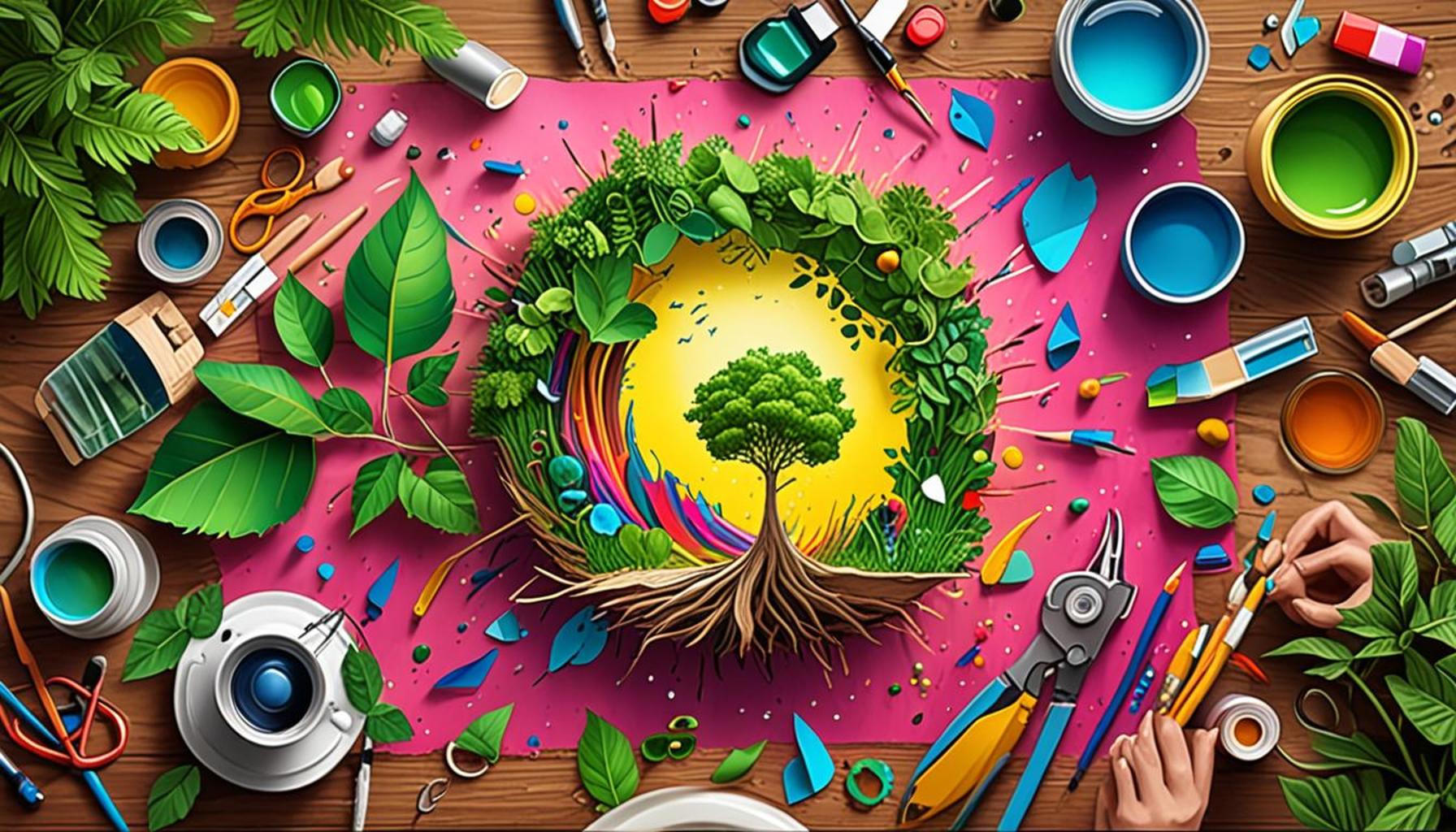
In an era when awareness of ecological challenges has reached unprecedented heights, the role of art in driving change has become increasingly significant. Artists are stepping beyond traditional boundaries to not only display their creativity but also engage the public in crucial conversations about sustainability and environmental responsibility.
Through various forms of artistic expression, many creators are tackling pressing environmental issues, often utilizing innovative methods to foster a deeper understanding of our impact on the planet. Below are some compelling examples of how artistic endeavors are making a difference:
- Visual Art: Artists like Chris Jordan create striking installations using recycled materials to reveal the consequences of waste. His renowned piece “Midway: Message from the Gyre” portrays the tragic fate of seabirds that consume plastic, transforming the stark reality of pollution into an eye-opening visual narrative. These works highlight the urgent need for waste reduction and inspire viewers to reconsider their consumption habits.
- Performance Art: Engaging performances, such as those by the group Bread and Puppet Theater, offer a powerful platform to explore our relationship with nature. Their dramatic and often humorous productions urge audiences to contemplate the intersections of industrialization and the natural world, encouraging a collective introspection on our personal and societal roles in environmental degradation.
- Public Murals: Artists like Gaia have transformed urban landscapes into vibrant arenas of advocacy. His murals depict themes related to biodiversity and climate change, captivating passersby and instigating discussions about the environment. These artistic showcases not only beautify cityscapes but also serve as reminders of the urgent action needed to preserve our natural world.
Across the United States, a myriad of movements are forming where art and ecological responsibility intersect. Projects focused on upcycling, community gardening, and educational workshops about pollution reduction are gaining popularity, reflecting an emerging desire to engage art as a principle of environmental stewardship. Initiatives, such as the “Project Reclaim,” invite local artists to co-create with community members, employing recycled materials to convey powerful messages that enhance environmental consciousness.
As audiences, we are not passive observers but active participants invited to reflect on our contributions to these narratives. The burgeoning fusion of artistic expression and sustainability enriches cultural dialogues and empowers individuals to advocate for a healthier planet. When art prompts us to consider our environmental footprint, it creates a collective momentum towards positive action and innovation.
In conclusion, the collaboration of art and activism illustrates that creativity can be a formidable ally in promoting sustainability. As we engage with these artistic expressions, we deepen our understanding of the interconnectedness of life and the imperative to protect our environment for future generations. Each brushstroke, performance, and mural not only tells a story but also inspires us to be part of the solution in the ongoing journey towards ecological preservation.
DIVE DEEPER: Click here to discover more about digital design tools and creativity
Innovative Collaborations: Where Art Meets Ecology
As artists integrate sustainability into their work, collaborative projects are emerging that blend creativity with environmental advocacy, enhancing community engagement and promoting a culture of environmental consciousness. These innovative collaborations often involve partnerships between artists, local organizations, and environmental groups, facilitating a deep dialogue about ecological issues while simultaneously fostering a sense of community ownership and responsibility. One noteworthy example is the “Waste to Wonder” project, which transformed discarded materials into public art installations across various cities, demonstrating how the concept of upcycling can lead to visual beauty while addressing waste management challenges.
Through various mediums, these artistic expressions educate and empower audiences about pressing environmental concerns. Here are some standout initiatives making a mark:
- Community Art Gardens: In urban settings, initiatives such as community art gardens have gained traction, where local artists collaborate with residents to design garden spaces that feature functional art. These gardens not only beautify neighborhoods but also serve as educational hubs about native plant species, sustainable gardening practices, and the importance of pollinators.
- Interactive Installations: Interactive art pieces, like those by artist Jen Lewin, invite public participation. Her installation “The Panoramic Path” uses light and movement to engage audiences, promoting dialogue about the use of natural resources while reinforcing the impact of collective action in environmental stewardship.
- Ecological Photography Projects: Photographers are using their art to highlight environmental degradation and climate change. Projects such as “The Last Generation” showcase poignant imagery of affected landscapes, encouraging viewers to confront the realities of environmental neglect and the urgency of changing our behaviors.
The success of these projects hinges not just on the art itself, but on their ability to inspire conversation and prompt action. An exciting example includes the “Plastic Pollution Coalition”, a global alliance of artists, activists, and scientists aiming to reduce plastic waste through creative exhibition. They leverage art as a medium to show the devastating effects of plastic pollution on marine life, thereby igniting public awareness and advocacy.
Moreover, the rise of social media as a platform for artistic sharing has amplified the impact of these projects. Artists and environmentalists effectively use platforms like Instagram and TikTok to reach wider audiences, raising awareness about sustainability practices and encouraging individuals to become advocates for change. As artists explore the intricate connections between art and our environment, they use their platforms to inspire collective action—prompting us all to rethink our habits and contributions to sustainability.
Ultimately, the blending of artistic expression and sustainability presents a unique opportunity to engage communities in the critical dialogue around environmental issues. By fostering creativity that carries a message of ecological mindfulness, these projects not only educate but also inspire a deeper commitment to the protection of our planet, reflecting the potential of art to act as a powerful tool for social change.
| Advantages | Impact on Environment |
|---|---|
| Encourages Community Engagement | Creative projects inspire collective efforts towards sustainability. |
| Promotes Awareness of Environmental Issues | Art can effectively convey urgent messages about climate change. |
| Fosters Innovation in Sustainable Practices | Artistic solutions can lead to new sustainable technologies and materials. |
| Enhances Aesthetic Value of Public Spaces | Art can transform neglected areas into vibrant, eco-conscious landmarks. |
Crafting projects that weave together artistic expression and sustainability opens myriad possibilities for collaboration among artists, community organizers, and environmental advocates. This intersection is not merely a trend; it reflects a deep-rooted commitment to fostering a responsible relationship with our planet. Artists harness their talents to create awareness through various mediums—be it installations made from recycled materials or performances that underline the significance of biodiversity. These creative expressions elevate discussions around environmental degradation, urging audiences to participate in the global movement towards sustainable practices. Furthermore, environmental art has a unique capability to bridge cultural gaps, inviting diverse groups to participate in the dialogue. It forms a crucial part of social activism, positioning the arts as vital in shaping public perceptions about climate change and encouraging people to take action. By understanding the advantages of integrating art into sustainability efforts, readers can discover numerous opportunities to contribute to a greener future while engaging with art that resonates on an emotional and intellectual level.
DIVE DEEPER: Click here to learn essential tools and techniques
Art as a Catalyst for Change: Inspiring Action Through Creativity
Artistic expression possesses a unique ability to connect with audiences on an emotional level, motivating individuals to take action for the environment. Beyond mere aesthetics, many artists seek to spark social movements through their work, using various forms of art to make compelling statements about ecological justice. This trend is particularly evident in large-scale mural projects that transform urban spaces into powerful canvases for environmental narratives. One remarkable initiative is the “Walls for Wildlife” project, where artists paint murals that depict endangered species and their habitats. These murals serve as eye-catching reminders of biodiversity loss, urging communities to engage with conservation efforts on a local scale.
Another influential project lies within the realm of performance art. Performers are turning to theater and dance to evoke emotions surrounding climate change, effectively translating complex issues into relatable experiences. For example, the immersive theater experience “The Great Climate Race” places audiences in a scenario where they witness the consequences of climate inaction. Through powerful storytelling, this form of artistic expression illustrates the urgency of acting on climate issues, making the message resonate deeply with participants. Such performance pieces encourage active participation, ensuring that attendees leave with a newfound awareness of their environmental impact.
Incorporating technology into art is another avenue artists are exploring to promote sustainability. Digital art installations, like those by immersive collective teamLab, create interactive environments that respond to human participation and environmental change. Their pieces frequently feature themes that reflect humanity’s relationship with nature, encouraging viewers to contemplate their place in the ecosystem. For instance, “Forest of Resonating Lamps” utilizes motion sensors to trigger changes in light and sound—symbolizing the interconnectedness of all living beings. This interactive experience not only captivates audiences but also raises awareness about the delicate balance of our environment.
Art fairs and exhibitions focused on sustainability are also gaining traction, showcasing works that confront ecological issues head-on. Events like the “Eco Art Fair” in New York City gather artists who create pieces with sustainable materials, encouraging visitors to rethink waste and consumption. Such fairs are vital for educating the public about sustainable practices, as they provide a platform for dialogue and collaboration among artists, environmentally-conscious consumers, and organizations. Attendees often leave inspired to make more sustainable choices in their daily lives, thereby amplifying the influence of these artistic endeavors.
Grassroots initiatives emphasizing the role of art in environmental activism are thriving as well. Community mural projects, eco-friendly arts and crafts workshops, and collaborative installations serve as avenues for artistic expression that engage individuals of all ages. For instance, the “Art and Ecology” initiative in various U.S. cities invites community members to participate in creating installations that reflect local environmental issues, such as urban pollution or coastal erosion. This hands-on approach not only fosters creativity, but it also cultivates a sense of collective responsibility towards environmental stewardship.
As the landscape of artistic expression continues to evolve, the integration of sustainability themes into creative projects signifies a growing recognition of the urgency surrounding environmental issues. The arts compel us to look beyond our immediate surroundings, pushing us toward broader discussions about our planet’s future. Through these innovative efforts, artists not only convey the pressing realities of environmental challenges but also inspire hope and action among communities for a more sustainable future.
EXPLORE MORE: Click here to unleash your creativity
Conclusion: The Intersection of Creativity and Consciousness
In a world increasingly grappling with environmental challenges, the role of artistic expression in promoting sustainability and environmental awareness is more crucial than ever. Artists are not merely creators of beauty; they are storytellers, advocates, and catalysts for change, utilizing their platforms to challenge perceptions and ignite action. From large-scale murals that highlight endangered species to immersive performance art that simulates the impact of climate change, creative projects are inspiring dialogue and prompting individuals to reassess their relationship with nature.
Moreover, as seen in initiatives like the “Eco Art Fair” and various community arts programs, the integration of sustainability into art fosters not only awareness but also collective action. These collaborative efforts build community ties and empower individuals to take ownership of local environmental issues, transforming passive observation into active participation. The potential of technological advancements greatly enhances artistic outreach, creating interactive experiences that bring environmental narratives to life and reach diverse audiences.
As we continue to navigate the complexities of climate change and ecological degradation, the convergence of art and sustainability will play an essential role in shaping public consciousness. It encourages a broader understanding of our environmental responsibilities while instilling a sense of hope and possibility. Engaging with these artistic expressions not only enriches our appreciation for creativity but also inspires a movement toward a more sustainable future, urging us to act before it is too late. Understanding and embracing the power of art to promote environmental awareness is a vital step towards safeguarding our planet for generations to come.
Related posts:
Artistic Expression and Wearable Technology: Innovations That Are Changing the Way We Create and Sha...
The Influence of Music on Artistic Expression: How Melodies and Lyrics Inspire Other Forms of Art
The Influence of Art on Personal Identity: How Creative Expression Reflects Our Stories
The Intersection of Art and Fashion: How Creatives Are Reinventing Trends through Artistic Expressio...
Exploring Different Forms of Artistic Expression: Painting, Sculpture, and Performance as Means of C...
Music as Artistic Expression Boosting Mental Health and Well-Being

Linda Carter is a writer and creative hobbies expert specializing in crafting, DIY projects, and artistic exploration. With extensive experience helping individuals discover their creative potential and bring their ideas to life, Linda shares her knowledge on our platform. Her goal is to empower readers with practical tips, inspiring ideas, and step-by-step strategies for success in the world of creative hobbies.