Digital Design and Pop Culture: How Music and Cinema References Inspire Creators
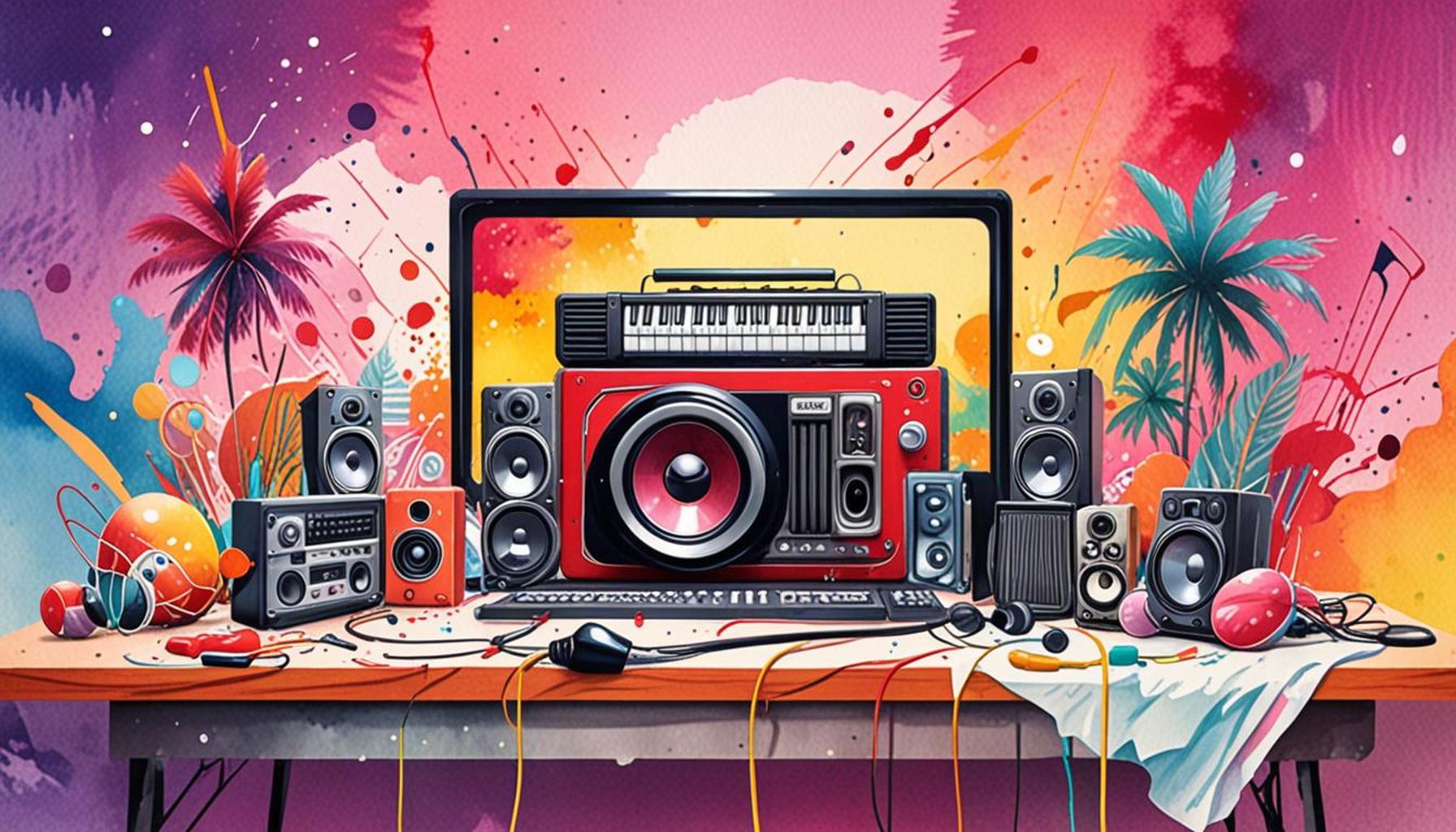
The Influences of Music and Cinema on Digital Design
The world of digital design thrives on inspiration, and two significant sources come from music and cinema. These vibrant art forms not only shape cultural landscapes but also play an essential role in how creators approach their work. As we delve deeper into these interactions, it becomes clear that the influence of music and film is more profound than mere visual references; it shapes the very essence of modern design.
From iconic album covers to viral movie posters, the references from these mediums often weave their way into digital design projects. Notably, album artwork has become a prominent canvas for artists to showcase their unique styles while tapping into the zeitgeist of their times. For example, consider how the cover art for Pink Floyd’s “The Dark Side of the Moon,” designed by Hipgnosis, employs a simple yet effective prism illustration that not only encapsulates the band’s conceptual themes but also resonates deeply with audiences. Similarly, movie posters for blockbusters like “Mad Max: Fury Road” bring together stunning visual narratives that engage viewers long before they enter a theater.
Ways Music and Cinema Influence Design
These influences manifest in various ways within the realm of digital design:
- Visual Aesthetics: Color palettes, typography, and imagery drawn from popular films and songs create an immediate visual language that resonates with audiences. For instance, the neon color scheme and retro typography often seen in designs inspired by the 1980s synthwave music scene evoke feelings of nostalgia and excitement.
- Conceptual Themes: Innovative designs often draw on song lyrics or significant film narratives, creating layers of meaning. For example, a designer might use visual metaphors from a classic film like “The Godfather” to convey themes of power and family loyalty in a corporate branding project.
- Pop Culture Icons: Using recognizable characters or symbols is a powerful way to connect with audiences. Think of how designs featuring characters from “Stranger Things” or the Disney universe immediately attract attention, tapping into the viewer’s existing emotional connections.
Many digital designers find themselves reflecting on cultural phenomena as they create. Whether they’re reimagining a beloved film scene or sampling a popular song, the dialogue between these art forms fosters new creativity and innovation. The use of dynamic visuals, storytelling techniques, and emotional resonance not only enhances the aesthetic appeal but also allows for deeper audience engagement.
Understanding how music and cinema inspire design can provide insights into the essence of contemporary creativity. The ongoing collaboration between digital design and pop culture not only influences aesthetics but also encourages meaningful connections with audiences. As society continues to evolve, the symbiotic relationship between these art forms will undoubtedly yield exciting new trends and innovations for designers to explore.
DISCOVER MORE: Click here to delve deeper
The Interplay of Sound and Vision in Digital Design
The profound relationship between digital design and both music and cinema is not merely coincidental; it is an intricate web of influences that continually shapes creative expression. Designers today often immerse themselves in auditory and visual experiences, recognizing that the stimuli from films and songs can significantly enhance their creative workflows. This interplay not only inspires visual storytelling but also constructs a cultural language that resonates across diverse audiences.
In the digital age, where images flash and music plays at lightning speed, the references drawn from popular culture have created a vibrant palette for designers. The phenomenon of remix culture—where artists and designers repurpose visual and audible elements from existing works—has given rise to unique innovations. For example, consider how the iconic imagery from Quentin Tarantino films has inspired countless graphic designs, utilizing bold colors, dynamic compositions, and cinematic typography to evoke the thrill of suspense. The appeal of these references lies not only in their aesthetic prowess but also in their ability to tap into shared cultural knowledge, enabling instant recognition and connection among viewers.
The Role of Nostalgia and Modern Trends
Nostalgia plays a crucial role in shaping contemporary digital designs, particularly as many creators draw from the cultural touchstones of their childhoods. By incorporating remnants from past music genres or legendary films into their work, designers can evoke memories and emotions tied to those experiences. The retro aesthetics often associated with the 80s and 90s have surged forward, with modern designs channeling the pixelated graphics of classic video games or the whimsical styles of favorite animated films that punctuated those decades.
This nostalgic yearning is not just a mere reflection of the past; it serves as an emotional thread that designers weave into their work. For example, artwork inspired by the cult classic “The Breakfast Club” or psychedelic album covers from artists like Jimi Hendrix can create an inherent sense of connection, inviting viewers to experience a collective memory while discovering something original. Such artistic endeavors are more than superficial references; they act as bridges spanning generations, inviting dialogue about changing aesthetics and artistic intentions.
Moreover, trends are constantly evolving within the realms of both music and cinema, continuously providing fresh material for designers to explore. Elements such as social issues, technology, and environmental themes featured prominently in modern films and music reflect contemporary societal values and challenges. Incorporating these relevant themes can enhance a designer’s message, allowing their work to resonate with current events and conversations. For instance, a graphic design project that mirrors themes from films addressing climate change not only highlights pressing issues but also reflects a design ethos focusing on sustainability.
Incorporating references from these vibrant art forms expands a designer’s toolkit, offering innovative strategies that result in more compelling designs. Through actively engaging with music and cinema, designers not only enhance their creative processes but also participate in an ongoing dialogue about culture, identity, and artistic expression.
| Influence of Music | Impact on Digital Design |
|---|---|
| Lyrics and Imagery | Visual storytelling inspired by themes |
| Music Videos as Art | Innovative techniques in compositing and animation |
| Subcultures | Influencing design trends and branding |
| Sampling and Mashups | Creative remixing of visual styles |
The realm of digital design is profoundly shaped by music, particularly through various components like lyrics and imagery. Designers frequently draw inspiration from the visceral narratives embedded within song lyrics, using these themes to develop compelling visual storytelling methods. A noticeable example is how music videos have become a form of art, showcasing innovative techniques that fuse composition with animation. This blending not only captivates an audience but also inspires current design practices across various digital platforms.Moreover, the subcultures birthed from different music genres significantly influence design trends. Whether it’s the bold graphics associated with punk rock or the vibrant color palettes of pop music, these influences often dictate branding and marketing strategies. Even the practice of sampling and creating mashups extends beyond sound; it reflects a cultural ethos that encourages the remixing of visual styles in exciting and novel ways. This symbiosis between music and visual presentation continues to push the boundaries of what digital design can achieve, creating a dynamic landscape ripe for exploration.
DISCOVER MORE: Click here to dive deeper
Cultural Commentary: The Influence of Music and Films on Social Movements
The dynamic relationship between music, cinema, and digital design extends beyond aesthetic inspirations and taps into the powerful realm of cultural commentary. Music and films have historically been essential vehicles for social change, and as designers draw from these genres, they can amplify these messages in profound ways. Artists who incorporate elements from protest songs or socially conscious films into their designs can ignite conversations about current issues, making their work not just visually appealing but also deeply impactful.
An excellent example can be found in how the Black Lives Matter movement has influenced visual culture. Designers have utilized imagery from films like “Selma,” which recounts the Civil Rights Movement, blending it with contemporary graphics that invoke a sense of urgency about social justice. This fusion of modern digital art with cinematic references creates a compelling narrative that speaks to both historical context and present-day realities. By visually echoing such pivotal moments in film, designers can encourage a cross-generational dialogue around equality and justice.
Virtual Reality and Immersive Experiences
The advent of virtual reality (VR) and augmented reality (AR) technologies adds another layer to the interaction between digital design, music, and cinema. These technologies can immerse audiences in riveting experiences inspired by popular culture, where they not only consume but actively engage with the content. For instance, a digital designer may create a VR environment that transports users to iconic locations from beloved films, allowing fans to explore the cinematic universe in a spatial context.
Furthermore, interactive music videos have emerged, where viewers can manipulate visuals in real-time, transforming their viewing experiences into personalized journeys. An example is the music video for “The Blackest Beautiful” by the band United Nations, which creatively employs AR elements that change based on audience interaction. Such innovations position digital designers at the forefront of creativity, crafting experiences that are not only visually stunning but also intimately linked to music and film.
Emerging Designers Drawing Inspiration
- Indie designers: Many emerging artists are channeling the influence of subcultures that thrive in alternative music scenes. Their designs often reference underground films or movements, resulting in a fresh aesthetic that appeals to niche audiences.
- Brand collaborations: Companies often partner with musicians and filmmakers to create visually striking campaigns. These collaborations allow for unique merchandise or promotional materials that blend cinematic visuals with musical artistry, resonating with fans on a deeper cultural level.
- Social media trends: Platforms like TikTok and Instagram have allowed for rapid dissemination of design trends inspired by songs and films. Designers can gain immediate feedback, leading to evolving styles that reflect the fleeting nature of online pop culture.
Overall, the ability to weave together influences from music and cinema provides designers with a multifaceted approach to their craft, enabling them to engage audiences on various levels. The interplay between these forms of expression not only nurtures creativity but also ensures that digital designs resonate within a broader cultural framework, ultimately enriching the public’s interaction with art and design.
DON’T MISS: Click here to discover how creativity enhances mental wellness
Conclusion: The Evolution of Digital Design Through Pop Culture
In the ever-evolving landscape of digital design, the profound influence of music and cinema is undeniable. As creators draw inspiration from iconic soundtracks, powerful films, and cultural narratives, they not only enhance their artistic expressions but also contribute to meaningful conversations within society. This synergy fosters a rich tapestry where visual art becomes a conduit for cultural commentary, allowing designers to reflect and amplify contemporary issues.
Furthermore, the integration of innovative technologies such as virtual reality (VR) and augmented reality (AR) has expanded the possibilities for interactive engagement, inviting audiences to step into immersive worlds that blend the realms of cinema and music. These emerging trends spotlight how artistry continues to transcend traditional boundaries, offering personalized experiences that resonate deeply with diverse communities.
Emerging designers, influenced by indie scenes and collective cultural references, are reshaping the narrative and pushing creative boundaries. Collaborations between brands, musicians, and filmmakers highlight the fluid relationship between commerce and creativity, showcasing how commercial aspects can coexist with artistic integrity.
As digital designers embrace the energetic pulse of pop culture, they remind us that creativity thrives in collaboration. They challenge us to explore the interplay of art and activism, urging us to engage more deeply with the media that shapes our lives. Ultimately, the vibrant dialogue between digital design, music, and cinema not only nurtures artistic innovation but also invites us all to partake in an ever-expanding cultural journey.
Related posts:
Master Digital Design Tools From Beginner to Pro Guide
Digital Design and Entrepreneurship: How to Create an Impactful Visual Brand
The Evolution of Digital Design: How Technology is Transforming Creativity
Digital Design Evolution How Tech is Transforming Creativity
Exploring the Impact of Digital Design Tools on Personal Creativity
Practical Tips for Beginners in Digital Design: Essential Tools and Techniques
Linda Carter is a writer and creative hobbies expert specializing in crafting, DIY projects, and artistic exploration. With extensive experience helping individuals discover their creative potential and bring their ideas to life, Linda shares her knowledge on our platform. Her goal is to empower readers with practical tips, inspiring ideas, and step-by-step strategies for success in the world of creative hobbies.