The Importance of Artistic Expression in Mental Health: How Creating Art Can Aid in Self-Healing
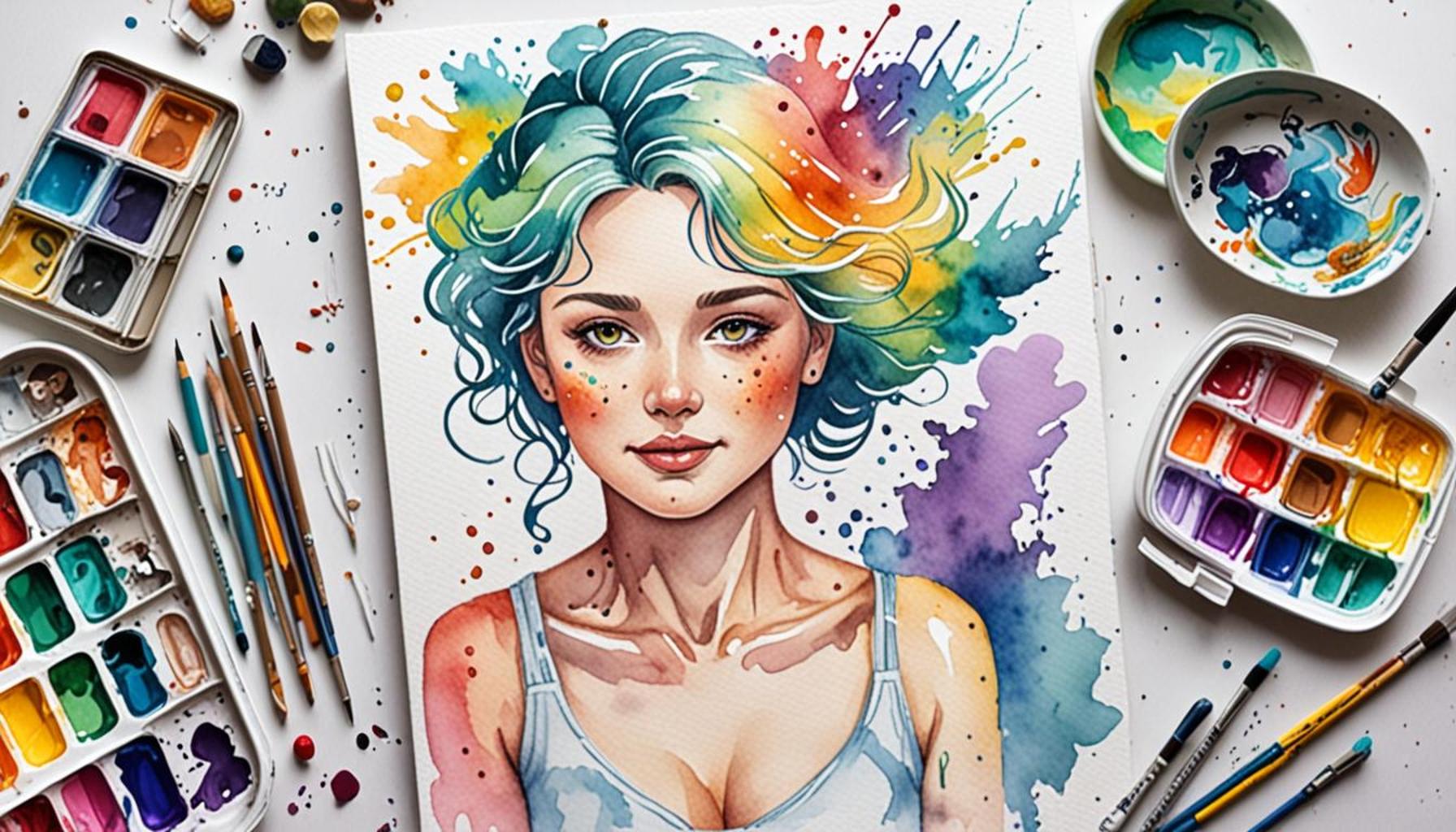
The Healing Power of Creativity
Artistic expression plays a crucial role in mental health, serving as a therapeutic outlet for countless individuals. Creativity can be a profound method of processing emotions and experiences, ultimately leading to self-healing. Embracing creativity can transform one’s mindset, bridging the gap between turbulent thoughts and a sense of peace.
Why Art Matters for Mental Health
Engaging in art can foster personal growth and improve overall well-being. Research shows that participation in creative activities is linked to lowered anxiety and depression. Here are a few ways in which creating art can positively impact mental health:
- Reduces Stress: Involvement in artistic activities helps decrease cortisol levels, promoting relaxation. A study conducted in the UK demonstrated that just 45 minutes of creative activity can significantly lower stress levels, making art a valuable tool for busy individuals seeking calm amidst chaos.
- Enhances Self-Expression: Art provides a voice for feelings that may otherwise be difficult to articulate. For example, a teenager who struggles to express feelings about their family dynamics might find solace in creating a mural that speaks to their journey, giving insight into their emotional landscape.
- Boosts Self-Esteem: Completing a piece can instill a sense of accomplishment, fostering confidence and pride. Programs like community art classes often aim to enhance the participants’ sense of achievement, where individuals can view their creations as reflections of their personalities.
- Encourages Mindfulness: Creating art requires focus, helping to cultivate present-moment awareness. Activities like sculpting or painting can draw individuals away from distracting thoughts, allowing them to immerse themselves in the creative process.
Understanding Different Forms of Artistic Expression
Various forms of art can serve therapeutic purposes, each providing unique avenues for exploration and emotional release. Here are some popular modalities:
- Painting and Drawing: Visual arts allow for spontaneous emotional release. Many therapists incorporate these mediums into their practice, encouraging clients to paint their feelings, whether through abstract splashes of color or detailed imagery.
- Music and Dance: These activities promote physical engagement and emotional connectivity. Group dance classes not only promote physical fitness but also foster community, allowing individuals to bond over shared experiences through rhythm and movement.
- Writing and Poetry: Expressive writing can facilitate reflection and deeper understanding of personal narratives. Writing workshops that encourage participants to explore their life stories can not only be healing but also empowering, giving them the tools to narrate their experiences meaningfully.
Exploring these avenues of creative expression can open doors to hidden emotions and foster a pathway to well-being. The art-making journey is not just about producing a finished product; it is about the process itself—the liberation found in brush strokes, melodies, or written words. By investing time in creativity, individuals can discover new facets of themselves, ultimately enhancing their mental health and enriching their lives.
DIVE DEEPER: Click here to uncover the evolution of abstract painting
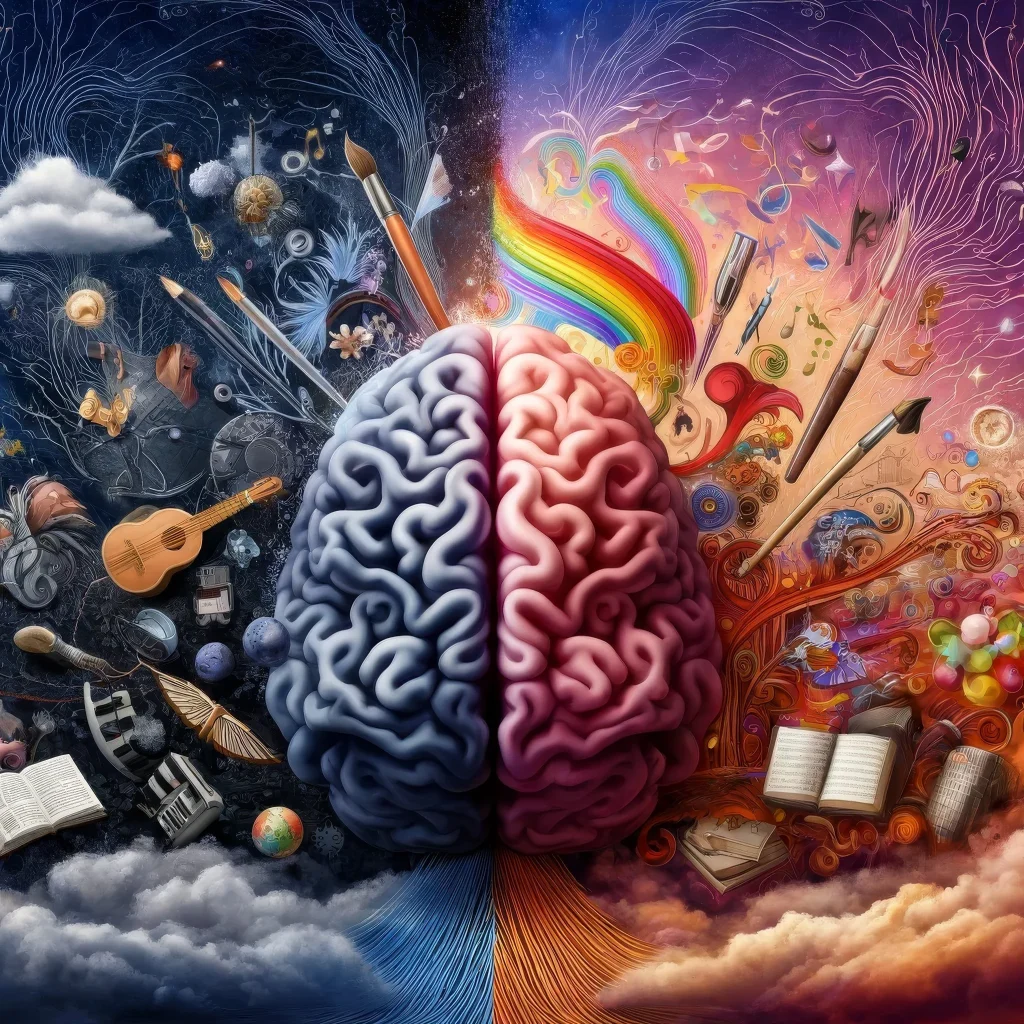
The Therapeutic Benefits of Artistic Engagement
The connection between artistic expression and mental wellness is deeply rooted in psychology, with numerous studies highlighting the healing potential of creative activities. Engaging in art offers both a distraction from distressing thoughts and an avenue for emotional exploration. This duality plays a significant role in its therapeutic benefits, making it a valuable practice for those navigating challenges in their mental health journey.
One of the core arguments for the importance of artistic expression lies in its ability to facilitate emotional processing. For many individuals, articulating feelings verbally can be daunting. Artistic outlets—whether through visual arts, music, or writing—allow individuals to convey complex emotions that might be hard to express through words. For instance, a soldier returning from deployment may find it tremendously challenging to discuss their experiences openly. However, through painting or digital art, they can depict their feelings and experiences in a way that feels safer and more manageable.
Moreover, participating in art provides a unique form of cognitive engagement that stimulates the brain’s creative centers. Studies demonstrate that activities such as drawing or sculpting enhance neuroplasticity, which helps the brain adapt and improve its functioning. Engaging in creative tasks not only ignites imagination but also facilitates problem-solving skills that can transcend artistic endeavors, soothing mental anguish and fostering resilience.
To truly understand the broad spectrum of benefits, consider the following key aspects in which artistic expression contributes to mental health:
- Promotes Emotional Release: The creation of art serves as a cathartic experience, allowing individuals to release pent-up feelings. This emotional outlet can result in a lighter psychological burden, which may lead to improved mental clarity.
- Fosters Community Connection: Participating in group art activities can enhance social bonds and build a sense of belonging. Art classes or workshops provide safe spaces for individuals to connect with others facing similar challenges, fostering interpersonal relationships that can be incredibly helpful in healing journeys.
- Encourages Self-Reflection: Engaging with art often prompts introspection, allowing individuals to delve into their thoughts and feelings. This process can lead to self-discovery, enabling individuals to recount their narratives and understand the growth needed in their life.
- Provides Routine and Structure: Allocating specific time for artistic practice can serve as a form of self-care, helping to establish a routine that promotes stability in daily life. This structure can be particularly reassuring for individuals dealing with anxiety or mood disorders.
As individuals embark on their creative journeys, the act of creating art becomes more than just a pastime; it transforms into a pathway for personal exploration and understanding. By engaging with various artistic forms, they can create a supportive framework that enhances their emotional resilience, ultimately leading to enriched mental health and a deeper connection with themselves.
The connection between artistic expression and mental health is profound and multi-faceted. Engaging in creative activities such as painting, drawing, or music can facilitate a much-needed outlet for emotions that might otherwise be difficult to articulate. This expressive process allows individuals to explore their feelings, enabling a deeper understanding of their inner selves. Research has shown that art therapy can significantly reduce symptoms of anxiety and depression, providing a therapeutic experience through the act of creation.
Moreover, the act of creating art can lead to heightened levels of mindfulness. When individuals immerse themselves in the artistic process, they often enter a state of flow—an experience characterized by complete absorption and enjoyment. This concentration not only distracts from daily stressors but also fosters a sense of accomplishment and joy, contributing positively to overall well-being. By channeling their thoughts and feelings into creative endeavors, individuals can achieve self-acceptance and enhance their emotional resilience.
Additionally, the communal aspect of art can also play a vital role in healing. Participating in group art activities or workshops provides a sense of belonging and connection to others who may share similar struggles. This social interaction can be invaluable, as it helps to combat feelings of isolation often associated with mental health challenges. Community art projects have been reported to uplift spirits and inspire hope, making them a beneficial component of broader mental health initiatives.
Ultimately, the exploration of artistic expression as a tool for self-healing invites individuals to tap into their creativity in ways that are not only therapeutic but also transformative. It encourages a journey toward better emotional health and offers a compelling argument for more widespread integration of art into mental health practices.
| Category | Benefits |
|---|---|
| Emotional Expression | Facilitates self-exploration and understanding of emotions. |
| Mindfulness and Flow | Encourages deep focus, reducing stress and promoting happiness. |
| Community Support | Fosters connections and reduces feelings of isolation. |
DISCOVER MORE: Click here to dive deeper
Art as a Pathway to Healing
Delving deeper into the importance of artistic expression in mental health, it becomes apparent that creative engagement does not merely alleviate symptoms but also acts as a catalyst for change. For individuals grappling with issues such as depression, anxiety, and trauma, art can provide a transformative experience that promotes awareness and acceptance of their emotional state. Studies have shown that art therapy significantly reduces symptoms in patients with mental health disorders, highlighting how structured artistic practices can complement traditional therapeutic methods.
One method that has gained significant traction in recent years is art therapy, which involves guided artistic activities under the supervision of a licensed therapist. This framework combines the therapeutic attributes of creating art with professional psychological support. Such therapy not only assists individuals in conveying their feelings visually but also encourages discussions about their works, serving as a bridge to understanding complex emotions. For instance, children with autism often find it difficult to communicate verbally, yet through drawing or crafting, they can express their thoughts freely, creating an important avenue for connection with their families and peers.
Additionally, artistic expression has been linked to the management of stress. Engaging in creative activities can trigger the relaxation response, counteracting the immediate effects of stress and promoting a sense of peace and well-being. The simple act of painting or knitting, for example, allows an individual to enter a meditative state. This shift can result in lower blood pressure and heart rate, reducing the physical symptoms associated with stress. As a case in point, multiple wellness programs in the United States have integrated art-making as a holistic approach for stress reduction, pointing to the growing recognition of art’s role in enhancing mental health.
Moreover, artists often lean into their creative practices not just as a means of self-exploration, but also as a form of advocacy and awareness. The rise of socially-minded art movements has allowed individuals to channel personal struggles into broader societal conversations. For example, artists addressing mental health themes through their work help to destigmatize mental health issues, fostering open dialogues within communities. This can be particularly impactful, as public discussions about mental health are vital in combating stereotypes and encouraging individuals to seek help without fear of judgment. Programs like “Art in the Time of COVID-19” have emerged, showcasing how art can serve as a powerful tool in uniting communities during times of crisis and hardship.
Furthermore, the digital age has revolutionized access to art-making. Platforms such as Instagram and TikTok have transformed how individuals share their creative processes and narratives, allowing for the democratization of artistic expression. This accessibility has inspired countless individuals to explore their creative sides, from drawing to music, thus utilizing these platforms as safe spaces for emotional expression. The collective sharing and feedback that occur in such environments can amplify the healing process, as creators find validation and support in shared experiences.
The importance of artistic expression in mental health extends far beyond mere creative pursuits; it encapsulates a holistic approach to self-healing, resilience, and community connection. Through understanding and embracing art in its diverse forms, individuals can unearth new pathways toward recovery and emotional well-being.
DISCOVER MORE: Click here to dive deeper
Rediscovering Wellness Through Creativity
In conclusion, the profound impact of artistic expression on mental health stands as a testament to the healing power of creativity. By providing an outlet for emotions, fostering stress reduction, and facilitating social connections, art emerges not only as a therapeutic tool but also as a vital component of comprehensive mental health care. Engaging in artistic endeavors serves as a bridge between the inner self and the outside world, allowing individuals to communicate their experiences in a way that transcends words.
The rise of art therapy underscores a growing recognition among mental health professionals of the need for innovative approaches that cater to individual emotional needs. As we witness a new wave of advocacy and awareness driven by artists highlighting mental health themes, the stigma surrounding these issues continues to diminish. Public programs promoting artistic expression during challenging times, such as the COVID-19 pandemic, exemplify how communities can unite and support each other through creativity.
Ultimately, as we navigate the digital landscape, platforms for sharing art and personal stories have democratized the act of creation, making it more accessible than ever. This shift not only nurtures individual healing but also cultivates a collective understanding of mental health challenges. By prioritizing artistic expression, we uncover a powerful strategy for self-healing that encourages both personal growth and communal resilience. Therefore, whether through painting, writing, or music, embracing art can pave the way toward a healthier, more fulfilling life for all.
Linda Carter is a writer and creative hobbies expert specializing in crafting, DIY projects, and artistic exploration. With extensive experience helping individuals discover their creative potential and bring their ideas to life, Linda shares her knowledge on our platform. Her goal is to empower readers with practical tips, inspiring ideas, and step-by-step strategies for success in the world of creative hobbies.