Crafting Skills Vital for Therapy and Emotional Well-Being Impact
Unlocking Emotional Well-Being through Crafting
In a fast-paced world where stress and anxiety can often overwhelm, engaging in creative hobbies like crafting proves to be an effective therapeutic outlet. The act of creating not only stimulates the mind but also offers a pathway to emotional healing. As individuals turn to their hands to make art, they experience not just joy but also a profound sense of well-being.
Studies have shown that indulging in crafting activities can help reduce feelings of depression and anxiety. Whether it’s knitting, painting, or woodworking, each craft brings its unique benefits, such as:
- Enhancing mindfulness through focused activity
- Boosting self-esteem as skills develop
- Encouraging social connections through shared activities
This article will explore the top five crafting skills that are not only rewarding but also hold immense therapeutic value. Prepare to discover how these activities can transform and uplift mental health, paving the way for new dimensions of emotional resilience.
Top 5 Importance of Crafting Skills in Therapy and Emotional Well-Being
In recent years, crafting has experienced a renaissance not merely as a pastime but as a profound enhancer of emotional health. This article explores the top five pivotal roles that crafting skills occupy in therapy and mental wellness, from the fifth to the first, illustrating the myriad ways these practices boost mental health, community, and self-expression. Each point serves as a compelling testimony to the inherent value and far-reaching benefits of embracing crafting as a therapeutic tool.
5. Creative Expression Through Crafting
At the heart of crafting lies the power of creative expression, a fundamental human drive that transforms feelings and thoughts into tangible creations. Crafting offers a unique conduit for individuals to express emotions that might be complex or difficult to verbalize. Whether it’s painting a canvas, shaping a piece of pottery, or knitting a scarf, these creative outlets allow for a form of communication beyond words. People who engage in crafting often find a sense of liberation in the tactile nature of their work, making their raw emotions visible and comprehensible.

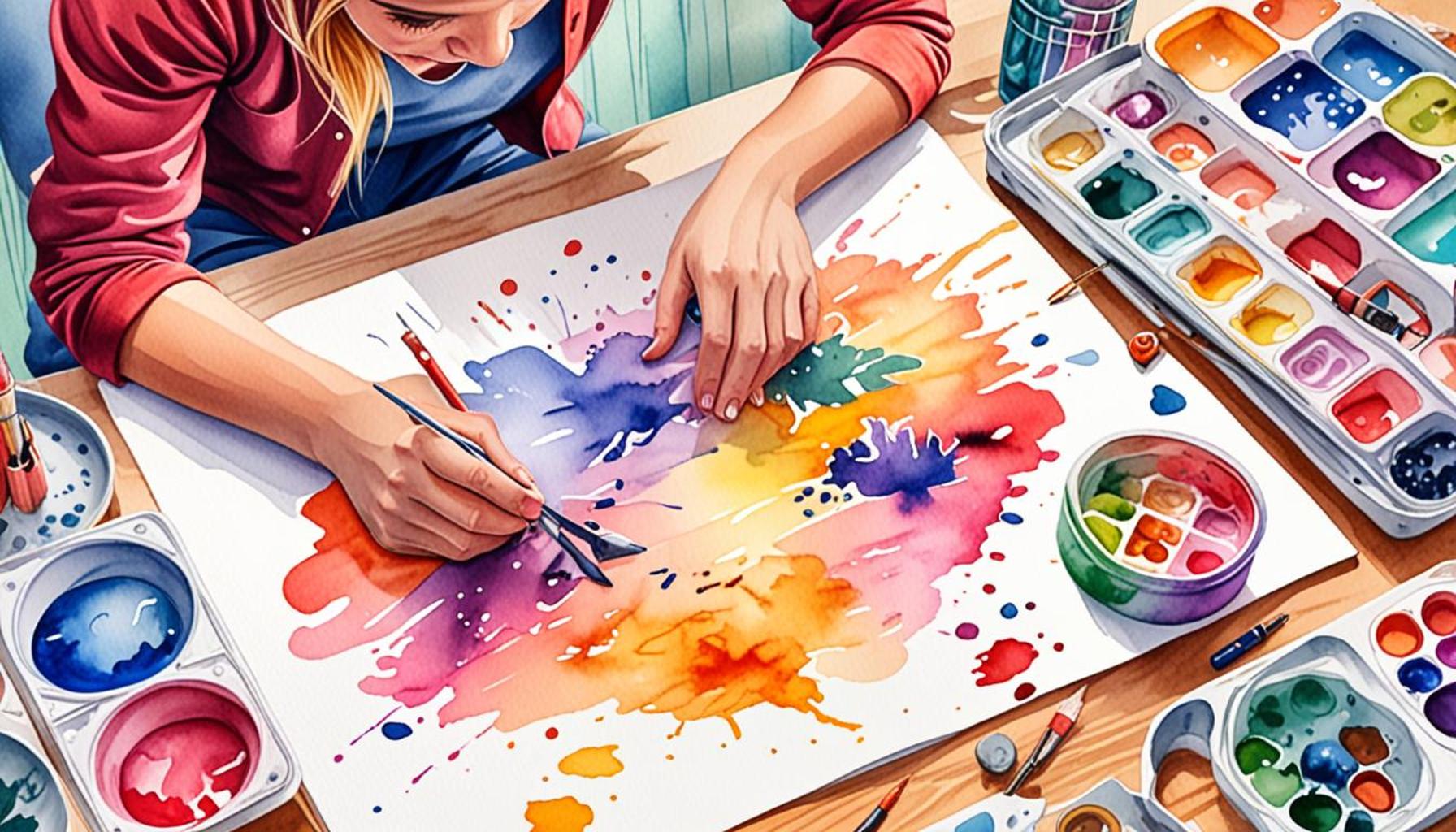
Consider, for instance, the therapeutic potential of painting. As the brush glides over the surface, it weaves a narrative of colors and textures that can mirror the artist’s internal landscape. Such activities facilitate self-awareness and introspection, prompting individuals to engage with and understand their own emotions more deeply. In this light, crafting is not merely a diversion but a structured opportunity for self-exploration, providing tools to manage anxiety, cope with depression, and ultimately pave the way for emotional healing.
4. Building Mindfulness and Focus
Depth and precision are crucial characteristics of many crafting activities, requiring intense concentration that fosters a state of mindfulness. This mindful engagement diverts attention from everyday stressors, promoting a tranquil state of mind. When engaged in activities such as origami, cross-stitch, or quilting, individuals become fully present, sinking into the rhythms and patterns of their craftwork. This focus on the present moment brings about a remarkable reduction in stress and induces a soothing calmness.
The process of crafting pushes individuals into a meditative flow, akin to those achieved through yoga or meditation. As Walter Stahel, a writer and speaker on various mindfulness practices, points out, “Crafting is a way of diffusing tension and rejuvenating our efforts towards life’s challenges.” In executing repetitive tasks, such as crocheting or shaping clay, crafters often experience a palpable sense of accomplishment, promoting higher self-esteem and satisfaction.
3. Fostering Social Connections
The social dimension of crafting is another significant aspect that contributes to its therapeutic value. Many crafters pursue their interests within communities, joining clubs, classes, or online forums that revolve around shared passions. These social settings are invaluable, offering a space for mutual support, learning, and emotional exchange that counters the pervasiveness of social isolation in modern life.
In particular, group crafting sessions serve as informal forms of group therapy. Participants get together to share not just techniques and materials but personal stories and emotional experiences. This collaborative environment fosters trust and empathy, creating a supportive network that helps weather the emotional storm of everyday challenges. Moreover, digital platforms have expanded these networks globally, connecting individuals across cultures and continents in a tapestry of shared creativity and collegiality.
2. Enhancing Problem-Solving Skills
Crafting is dynamic, requiring individuals to engage in planning, patience, and problem-solving. This practice enhances critical thinking skills as individuals are continually faced with decisions and potential obstacles, such as selecting the right materials, rectifying a misstep in a design, or adjusting a pattern. These challenges mirror real-life situations, where adaptability and innovative thinking are essential.
Through crafting, individuals cultivate emotional resilience as they adapt to setbacks and triumph over them. Learning to see mistakes not as failures but as opportunities for growth fosters a growth mindset. This experience contributes substantially to a sense of competency that transcends crafting, helping individuals approach life’s broader challenges with increased confidence and resourcefulness. The therapeutic aspect of crafting underlines its capacity to offer life lessons through artistic endeavor, building a sense of achievement and reinforcing life skills.
1. Therapeutic Benefits of Crafting
At the pinnacle of our list is the holistic therapeutic influence of crafting. Numerous therapists now integrate art and crafting into practice, recognizing their profound ability to enhance emotional health. Crafting induces the release of dopamine, the neurotransmitter linked with feelings of pleasure and reward, thereby lifting mood and reducing anxiety. The repetitive nature of many crafting activities can also serve as an emotional balm, calming the mind and creating space for emotional processing.
The outcome of these activities is a flow state, where individuals become so engrossed in their crafting that they lose sense of time and space. This deep immersion not only fosters a profound sense of purpose and accomplishment but also allows for emotional catharsis and reflection. In this serene state, crafting becomes an act of healing, reinforcing emotional well-being through creative experience.
In conclusion, crafting emerges as an indispensable tool for therapy and emotional well-being, offering avenues toward self-discovery, mindfulness, social connection, problem-solving, and therapeutic benefit. Its value extends beyond the mere act of creating, impacting mental health and community relationships. As crafting continues to evolve and integrate within therapeutic practices, its full potential in fostering emotional resilience and healing will undoubtedly be further realized.
| Category | Details |
|---|---|
| Emotional Expression | Crafts allow individuals to channel their emotions into creative outlets, providing a way to articulate feelings that may be hard to express verbally. |
| Stress Relief | Engaging in hands-on activities such as knitting or painting has been shown to reduce stress levels, helping to promote a sense of calm and relaxation. |
| Cognitive Development | Crafting enhances cognitive skills, encouraging problem-solving and critical thinking, which are vital not only for personal growth but also in therapeutic settings. |
| Social Interaction | Group crafting activities foster connections among participants, combating feelings of isolation and building a supportive community. |
When diving deeper into the importance of craftsmanship in emotional well-being, one can uncover the multifaceted advantages rooted not just in creativity but in the psychological impacts that these activities can yield. For instance, emotional expression through crafts can serve as a therapeutic refuge. Individuals suffering from anxiety or depression often find solace in the act of creating something tangible. This creative process allows them to externalize feelings, providing a significant release and the opportunity to process complex emotions.Furthermore, the relaxing effects of crafting cannot be understated. Simple repetitive tasks involved in arts and crafts, like knitting or coloring, have a meditative quality that has been proven to lower cortisol levels, which is the hormone largely responsible for stress. Engaging in these activities offers the brain a break from overwhelming thoughts and worries, promoting overall mental health.In addition to emotional catharsis and stress relief, crafting plays a substantial role in enhancing cognitive functions. Engaging with various materials encourages individuals to think innovatively and approach problems from unique angles, thereby strengthening cognitive flexibility. This is particularly significant in therapeutic scenarios where the engagement with crafts can support cognitive rehabilitation for those recovering from traumatic brain injuries or cognitive decline.Lastly, crafting often creates avenues for profound social interaction. Engaging in group craft sessions or workshops cultivates a sense of belonging among participants. This is crucial for those grappling with loneliness or social anxiety, as the collaborative nature of crafting fosters open communication and shared experiences. Thus, the act of crafting not only nurtures individual emotional health but also enriches social bonds, forming a powerful tool in enhancing overall mental well-being.
Frequently Asked Questions about the Importance of Craft Skills in Therapy and Emotional Well-Being
What are the benefits of incorporating craft skills into therapy sessions?
Engaging in craft activities during therapy sessions can offer a multitude of benefits. For one, it can provide a sense of calmness and relaxation, helping individuals to manage stress and anxiety. Crafts can also serve as a form of self-expression, allowing patients to explore and articulate emotions that they may find difficult to convey verbally. Furthermore, the repetitive and rhythmic nature of many crafts can induce a meditative state, promoting mindfulness and mental presence.
How do crafts contribute to emotional well-being?
Craft activities promote emotional well-being by fostering a sense of accomplishment and boosting an individual’s self-esteem. Completing a project, no matter how small, can lead to a surge in confidence. In addition, during the crafting process, individuals often experience a sense of flow, a state where they become deeply engrossed in the activity. This immersion can reduce negative thoughts and provide an emotional outlet, enhancing overall mood and satisfaction.
What types of craft skills are most effective in therapy?
Various craft skills can be beneficial, and the choice often depends on personal preferences and therapeutic goals. Knitting, painting, drawing, pottery, and beading are popular options, each offering unique benefits. Knitting and crocheting can be particularly relaxing due to their repetitive nature. Painting and drawing allow for creative expression and can help in processing emotions. Pottery and sculpting provide a tactile experience that can be grounding and soothing. The effectiveness varies, but the common thread is that these activities should provide enjoyment and a sense of purpose.
Are craft-based therapies suitable for everyone?
While craft-based therapies can be highly beneficial, they may not be suitable for everyone. Some individuals may not find enjoyment or relaxation in crafting activities and might prefer other therapeutic techniques. It’s important for therapists to assess each individual’s interests and needs to determine the best approach. Nonetheless, crafts are quite versatile and can often be adapted to suit various abilities and preferences, making them a valuable component in a holistic therapeutic toolkit.
How can someone start incorporating crafts into their routine for emotional well-being?
To begin incorporating crafts into daily routines for emotional well-being, individuals should start by choosing activities that interest them and seem manageable. Setting small, achievable goals can also help maintain motivation. It may be beneficial to join community workshops or online groups to learn new skills and connect with others. Additionally, considering guidance from a therapist who incorporates crafts into their practice can provide structured support and further enhance the positive impacts on emotional health. An essential factor is to enjoy the process and focus on the experience rather than the final product.
Conclusion: Crafting a Path to Emotional Well-being
In the tapestry of therapeutic practices, the significance of crafting skills stands out as a remarkable contributor to emotional well-being. As explored throughout this article, engaging in creative hobbies such as knitting, pottery, and painting serves more than just a pastime; it is a powerful form of therapy that fosters mental health and emotional resilience. By providing an outlet for self-expression and stress relief, crafting holds the key to unlocking a myriad of psychological benefits.
One of the key takeaways is the meditative quality of crafting activities that promotes mindfulness and relaxation. The repetitive nature of many crafts helps individuals access a state of flow, reducing anxiety and fostering a sense of peace. Moreover, the tactile engagement that crafting demands stimulates sensory perception, which can be profoundly grounding and comforting in moments of stress or upheaval.
The social aspect must not be underestimated either. Crafting often brings people together, creating communities where individuals can share their creative endeavors and support each other. This communal interaction enhances feelings of belonging and combats loneliness, thus contributing to overall well-being.
Ultimately, the integration of crafting into therapeutic regimes offers a holistic approach to emotional health. With the nurturing of patience, persistence, and creativity, individuals can cultivate a deeper sense of self-worth and accomplishment. As the awareness of crafting’s benefits continues to grow, the intersection of mental health care and creative activities presents exciting opportunities for those seeking alternative or supplementary therapeutic methods. Exploring this intersection further could uncover additional benefits, leading to more widespread adoption of crafting in therapeutic settings.
Related posts:
The Art of Repurposing: Transforming Common Materials into Unique Craft Pieces
How Crafting Can Be a Form of Occupational Therapy for People with Disabilities
Craftsmanship and the Importance of Personal Narrative: Telling Stories Through Creation
Sewing Techniques for Beginners: Tips for Creating Sustainable Fashion Projects
Boost Creativity Develop Craft Skills with Regular Practice
The Role of Online Communities in Learning Craft Skills

Linda Carter is a writer and creative hobbies expert specializing in crafting, DIY projects, and artistic exploration. With extensive experience helping individuals discover their creative potential and bring their ideas to life, Linda shares her knowledge on our platform. Her goal is to empower readers with practical tips, inspiring ideas, and step-by-step strategies for success in the world of creative hobbies.