Digital Design Evolution How Tech is Transforming Creativity
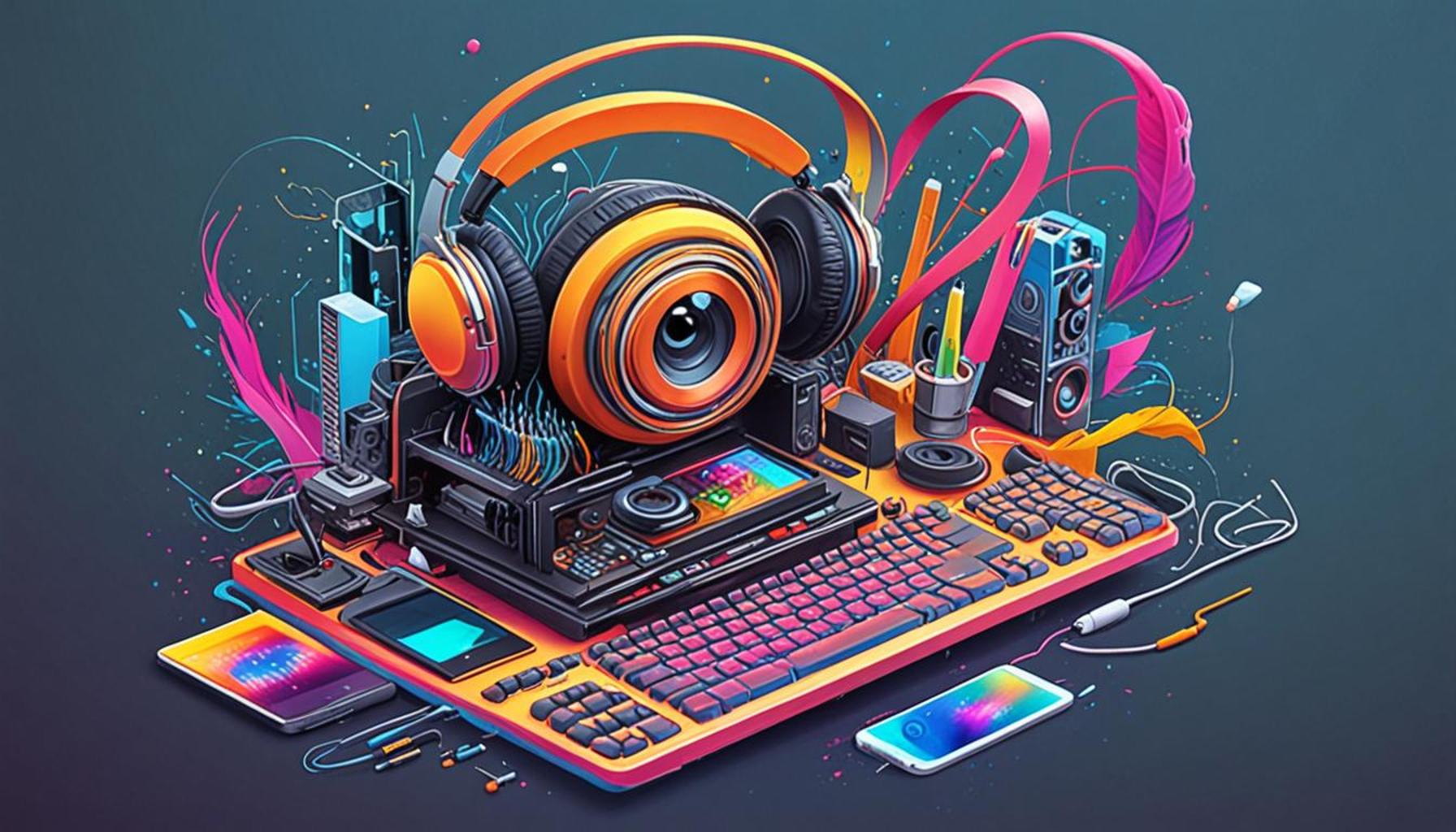
In today’s rapidly evolving world, digital design stands as a testament to the profound impact of technology on creativity. As tools continue to advance, artists and designers find themselves in a vibrant landscape filled with possibilities that redefine their creative boundaries. This transformation is not just a trend; it’s a revolution that amalgamates technology with artistry.
With the rise of innovative software, improved hardware, and online platforms, the way we conceive and execute design has undergone significant changes. Consider these pivotal shifts:
- AI Tools: Generative design software that aids in brainstorming and design generation.
- Collaboration Platforms: Tools that allow remote teamwork from anywhere in the world.
- 3D Printing: Making physical prototypes accessible with ease.
As we explore the nuances of this evolution, we will highlight the Top 5 tools and trends that are shaping the future of digital design. Each represents a unique intersection of technology and creativity, inviting us to delve deeper into what this means for creative hobbies and industries alike.
The Evolution of Digital Design: How Technology Transformed Creativity
In recent years, the world of digital design has witnessed a seismic transformation, largely driven by relentless technological advancements. The intersection of technology and creativity has not only redefined the boundaries of what is possible but has fundamentally reshaped how creative professionals approach design, media, and communication tasks. This exploration will delve into five pivotal elements, ranked from fifth to first, each underscoring the profound impact technology has had on the creative landscape.
5. Software Accessibility and Cloud-Based Tools
Historically, accessing professional design software required significant financial investment, often barring many from pursuing their creative aspirations. However, the advent of cloud-based design tools has democratized access, allowing a broader audience to engage in digital design. Software accessibility through platforms such as Adobe Creative Cloud, Canva, and Figma has leveled the playing field.

These platforms host a plethora of tools, offering everything from graphic design to video editing, all accessible online. The result? An unprecedented proliferation of user-generated content. Designers, whether novices or professionals, can now collaborate in real-time, experiment more freely, and bring their creative visions to life without prohibitive costs. This accessibility has fostered a multicultural design environment rich in diversity and innovation.
4. The Rise of 3D Modeling and Animation
Email 2D graphics and flat designs are now being transformed by the immersive capabilities of 3D modeling and animation. This technology enables designers to construct intricate, lifelike environments and characters, vastly enhancing storytelling methods across various media.
Tools like Blender, Autodesk’s Maya, and Cinema 4D are at the forefront of this transformation. They allow designers to create rich, interactive experiences that captivate users’ imaginations. These advancements have been particularly revolutionary in industries such as gaming, film, and virtual reality, where audience engagement hinges on sensory immersion. Today’s viewers expect environments that feel real and stories that resonate emotionally, a feat more achievable than ever with advanced 3D design capabilities.
3. The Impact of Artificial Intelligence on Design
Artificial Intelligence (AI) represents one of the most transformative forces in digital design. This technology is not merely a tool; it’s an engine powering a new frontier of possibilities. With AI, mundane processes can be automated, freeing designers to immerse themselves in the creative process.
- Automated Content Creation: AI-generated art and designs decrease the time from concept to creation, enabling rapid prototyping and iterative design.
- Predictive Analytics: By analyzing user data, AI provides insights that guide the creation of highly personalized user experiences tailored to audience preferences.
- Real-Time Collaboration: AI platforms support seamless, collaborative efforts across teams, encouraging innovative brainstorming and workflow efficiency.
By harnessing AI, designers can focus on ideation and strategy, effectively transforming the creative process into one of dynamic exploration and innovation. Programs like Adobe’s Sensei and RunwayML exemplify this shift, paving the way for design that is both efficient and inspired.
2. Social Media and Its Role in Design Popularization
The rise of social media has revolutionized the way designers distribute and promote their work. Platforms like Instagram, TikTok, and Pinterest are not just social networks; they are vibrant galleries and marketplaces for visual storytelling and creative expression.
The potential for virality on these platforms has encouraged designers to be more innovative and daring. Strengthened by instant feedback, creatives can pivot quickly, adjusting their styles or messages based on audience reactions. This dynamic has nurtured a global design culture where trends can emerge and evolve rapidly. Social media stands as a critical instrument in pushing creative boundaries , fostering rich dialogues between designers and their audiences.
1. The Shift Towards User-Centric Design
In today’s digital age, the emphasis on user-centric design is reshaping the fundamental principles of creating digital experiences. This approach stems from methodologies like design thinking and focuses on user experience (UX) design, which emphasizes empathy and understanding of end-user needs.
Designers are now tasked with creating intuitive interfaces that do more than satisfy aesthetic standards; they must enhance functionality and user satisfaction. By prioritizing the needs, behaviors, and experiences of users, designers create products that resonate on a personal level, transforming users into advocates.
In practice, user-centric design involves extensive research, including user testing and feedback loops, all aimed at refining the product in a way that aligns with user preferences. This approach ensures that technology serves people, enhancing everyday interactions with digital products.
In conclusion, the evolution of digital design is a testament to the symbiotic relationship between technology and creativity. Each of these elements has played a crucial role in redefining how designers approach their craft, ultimately leading to richer, more engaging user experiences. As these technologies continue to evolve, the scope for innovation and creativity in digital design will undoubtedly expand, offering exciting prospects for the future.
| Category | Description |
|---|---|
| User-Centric Design | Focuses on the user’s experience, emphasizing usability and accessibility to enhance visitor engagement and satisfaction. |
| Rapid Prototyping | Facilitates quick iterations of design ideas, allowing designers to test concepts and gather feedback efficiently, leading to better end products. |
| Integration of AI Tools | Utilizes machine learning algorithms to assist in creative processes, enabling designers to discover new possibilities and data-driven insights. |
| Cross-Platform Compatibility | Ensures seamless user experiences across multiple devices, reinforcing the importance of adaptability in digital design as technology evolves. |
As we dive deeper into the subject of digital design evolution, it becomes clear that the integration of technology not only enhances creativity but reshapes the very foundations of how designs are conceptualized and executed. User-centric design has gained traction, fundamentally changing how designers prioritize user experience. This approach necessitates that every design decision aligns with the users’ needs and expectations, thus increasing engagement and satisfaction.Additionally, the practice of rapid prototyping has revolutionized the workflow within design teams. By allowing constant iterations, it empowers designers to generate multiple concepts quickly and gather vital feedback, which can lead to an increasingly polished final product. This nimble approach stands in stark contrast to the traditional, slower processes that often stifled innovation.The advent of AI tools has introduced an exciting element to the creative process. By leveraging data-driven insights, designers can unlock new realms of possibility that might have initially eluded them. This technological assistance is not about replacing human creativity but rather enhancing it, offering us fresh angles through which to approach design challenges.Finally, ensuring cross-platform compatibility is more important than ever. As users access content from a myriad of devices, the digital landscape must evolve to meet these demands. Emphasizing adaptability means that designers must be strategic in developing multi-faceted experiences that resonate universally, reflecting a crucial shift facilitated by advancing technology.
FAQ: The Evolution of Digital Design and Technology’s Impact on Creativity
What are some key technological advancements that have transformed digital design?
Technological advancements such as the rise of powerful design software like Adobe Creative Suite and the proliferation of mobile technology have profoundly reshaped digital design. Furthermore, the advent of artificial intelligence and machine learning has enabled more efficient design processes, offering designers new tools like automated design suggestions and real-time corrections.
How has the role of a digital designer changed with technological advancements?
The role of digital designers has evolved significantly, from being solely creators to becoming strategic thinkers who not only contribute aesthetic value but also enhance user experience and engagement. Designers are now expected to have a comprehensive understanding of user interface (UI) and user experience (UX) design principles, along with coding languages to create more seamless, interactive designs that cater to modern digital consumption habits.
How does technology affect creativity in digital design?
Technology can profoundly enhance creativity by providing designers with unprecedented tools and resources to express their ideas. It enables a faster workflow with tools for rapid prototyping and collaborative platforms that connect global teams. However, some argue that it also presents the challenge of relying too much on technology, risking the homogenization of design and potentially stifling original creativity.
What impact has the evolution of digital design had on the industry as a whole?
The digital design evolution has fundamentally altered the industry, creating a demand for new skills and roles, such as UX/UI specialists and digital strategists. There is now a heightened emphasis on creating user-centric designs that address the needs and preferences of diverse audiences. This evolution reflects a broader trend toward integrating technology in traditional creative processes, leading to more dynamic and interactive forms of media.
Conclusion: Embracing the Digital Evolution in Creative Hobbies
As we’ve explored, the evolution of digital design has been nothing short of transformative, reshaping the landscape of creativity and innovation. From the adaptation of cutting-edge technology to the democratization of design tools, this metamorphosis has unlocked new avenues for creative expression.
One of the most impactful changes has been the accessibility of design technologies. In the past, only professionals with access to expensive software and hardware could create high-quality digital content. Today, thanks to an array of affordable or even free tools, anyone with a creative spark can engage in digital design, enabling a richer tapestry of ideas and expressions. This technological democratization has empowered an inclusive wave of creators, bringing diverse perspectives and talents to the forefront.
The article also highlighted the role of artificial intelligence and machine learning in this evolution. These technologies have not only enhanced the efficiency and capabilities of designers but also inspired new creative methodologies. By automating repetitive tasks and offering data-driven insights, AI has provided designers with more time and data to focus on innovation and artistry.
Moreover, the rise of virtual and augmented realities has pushed the boundaries of how we experience and interact with digital content. Immersive design now blurs the lines between the physical and digital worlds, creating new forms of storytelling and engagement that captivate audiences.
In conclusion, the digital design evolution represents a significant shift within the realm of creative hobbies. It has transformed how we conceive, create, and experience art and design. As technology continues to advance, the potential for further innovation is boundless. This ongoing development invites designers and hobbyists alike to explore, adapt, and redefine their creative practices. The future of digital design is bright, promising more dynamic and inclusive ways to unleash creativity.
Related posts:
Exploring the Impact of Digital Design Tools on Personal Creativity
Master Digital Design Tools From Beginner to Pro Guide
The Evolution of Digital Design: How Technology is Transforming Creativity
Digital Design and Entrepreneurship: How to Create an Impactful Visual Brand
Practical Tips for Beginners in Digital Design: Essential Tools and Techniques
Digital Design and Pop Culture: How Music and Cinema References Inspire Creators
Linda Carter is a writer and creative hobbies expert specializing in crafting, DIY projects, and artistic exploration. With extensive experience helping individuals discover their creative potential and bring their ideas to life, Linda shares her knowledge on our platform. Her goal is to empower readers with practical tips, inspiring ideas, and step-by-step strategies for success in the world of creative hobbies.